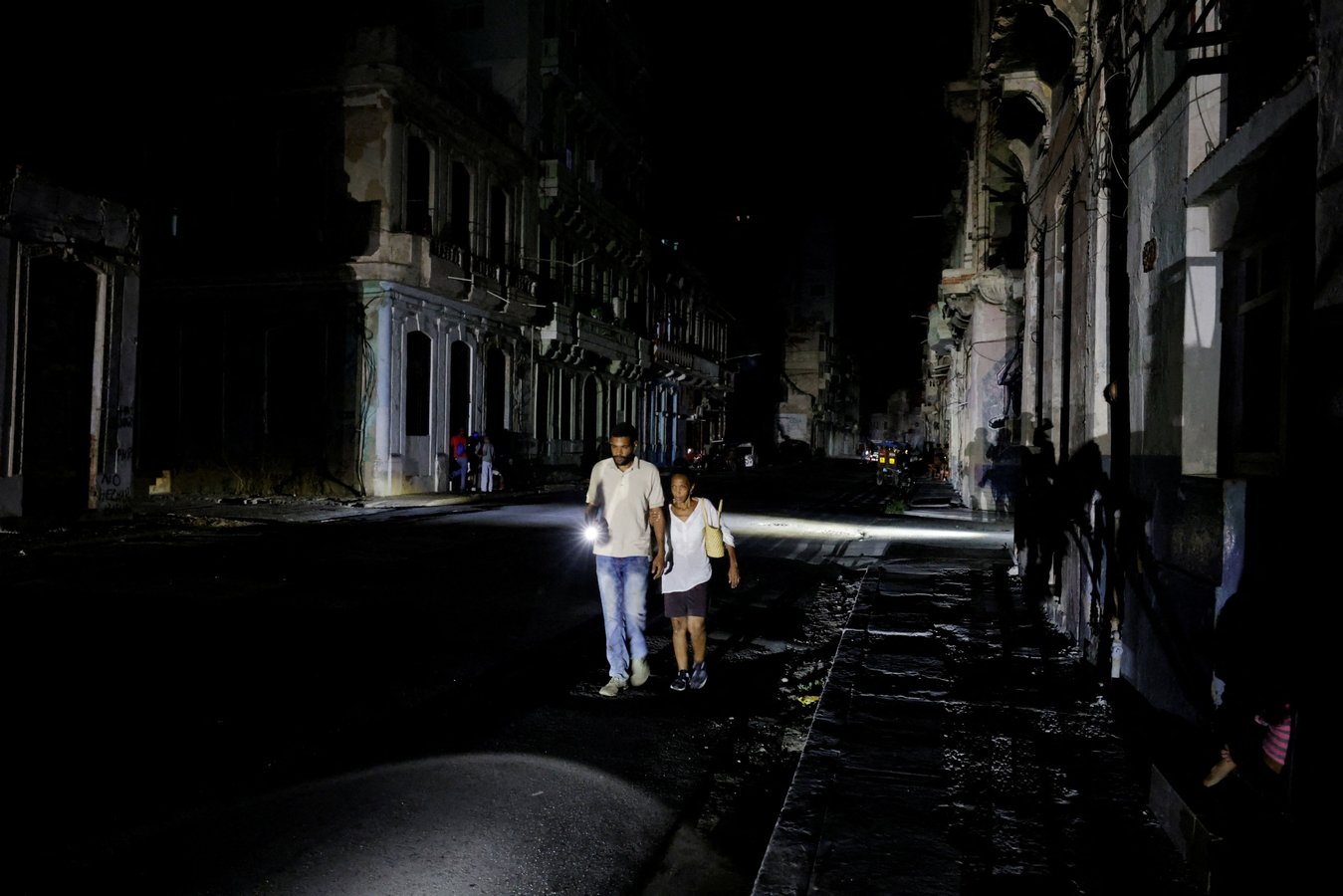

HAVANA — Late on Sunday night, the lights went out again across Cuba. Not in one neighborhood, not in one city, but everywhere, all at once, for the fourth time this year. Union Electrica de Cuba, the state-run grid operator, announced the collapse on its official social media accounts without specifying which generator had failed or in which province the cascade had begun. What it did not need to explain is that this is what a sustained fuel shortage looks like after seven months of accumulation.
The collapse on Sunday follows three nationwide blackouts in July alone. Approximately 10 million people, the entire population of the island, were left without electricity as an aging grid operating on depleted reserves gave out under load, NBC News reported. Cuban officials confirmed the collapse but offered no timeline for restoration, which in prior outages has ranged from several hours to multiple days. Restoring the grid requires fuel. That is the variable that is not improving.
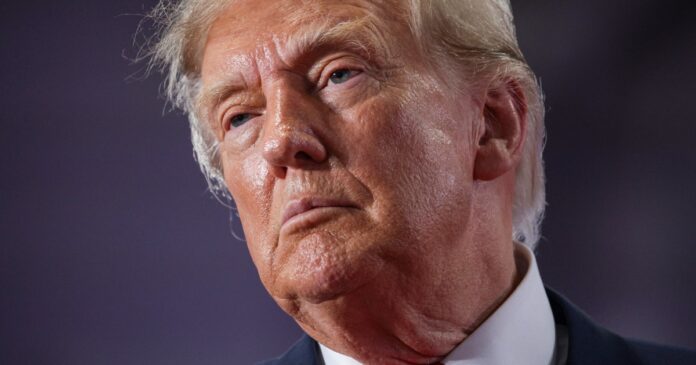
The link between Washington and Havana’s darkness runs through Caracas. When U.S. President Donald Trump’s administration presided over the removal of Venezuelan President Nicolás Maduro from office on January 3, it closed off the primary petroleum pipeline that kept Cuba’s power plants running. Venezuela had historically served as Cuba’s chief oil supplier, a relationship built across two decades of close political and economic alignment between the two governments, one that outlasted six American administrations and every set of U.S. sanctions that preceded this one. Mexico, which had begun filling part of that supply gap, subsequently halted its exports to Cuba under intensified U.S. pressure. The result is a grid that is not simply aging; it is running without the fuel that was assumed, for years, to be its permanent supply, TRT World reported.
Cubans on the island have adapted, because they have had to. Solar panels have appeared on rooftops in Havana and Santiago de Cuba, installed by households that can afford them. Electric motorcycles and photovoltaic tricycles have become the predominant form of private transportation in many neighborhoods, not a lifestyle choice but a practical one, since a vehicle that runs on stored solar electricity does not need fuel that does not exist. The adaptation is visible and, in places, impressive. It does not power hospitals, refrigeration systems, or the desalination plants that some coastal communities depend on.
At a National Assembly session that concluded July 30, the Cuban government announced economic reforms that represent the most significant structural opening it has made in years. Havana eased land-use restrictions, authorized nearly 200 Cuban businesses to participate in wholesale fuel distribution, and permitted private tourist companies to operate for the first time under a regulatory framework that previously reserved the sector for state entities. The government also approved the first foreign investment venture specifically structured for fuel importation, an opening to private capital that would have been politically inconceivable a decade ago.
Cuban President Miguel Díaz-Canel, speaking during the assembly, drew a clear line around what the reforms do not include. “We are not going to implement predatory capitalism or carry out a massive privatisation of national assets,” he said, reaffirming that healthcare, science, culture, and what the government defines as strategic services would not face private transfer. The economy is opening at its periphery. Its core is not.
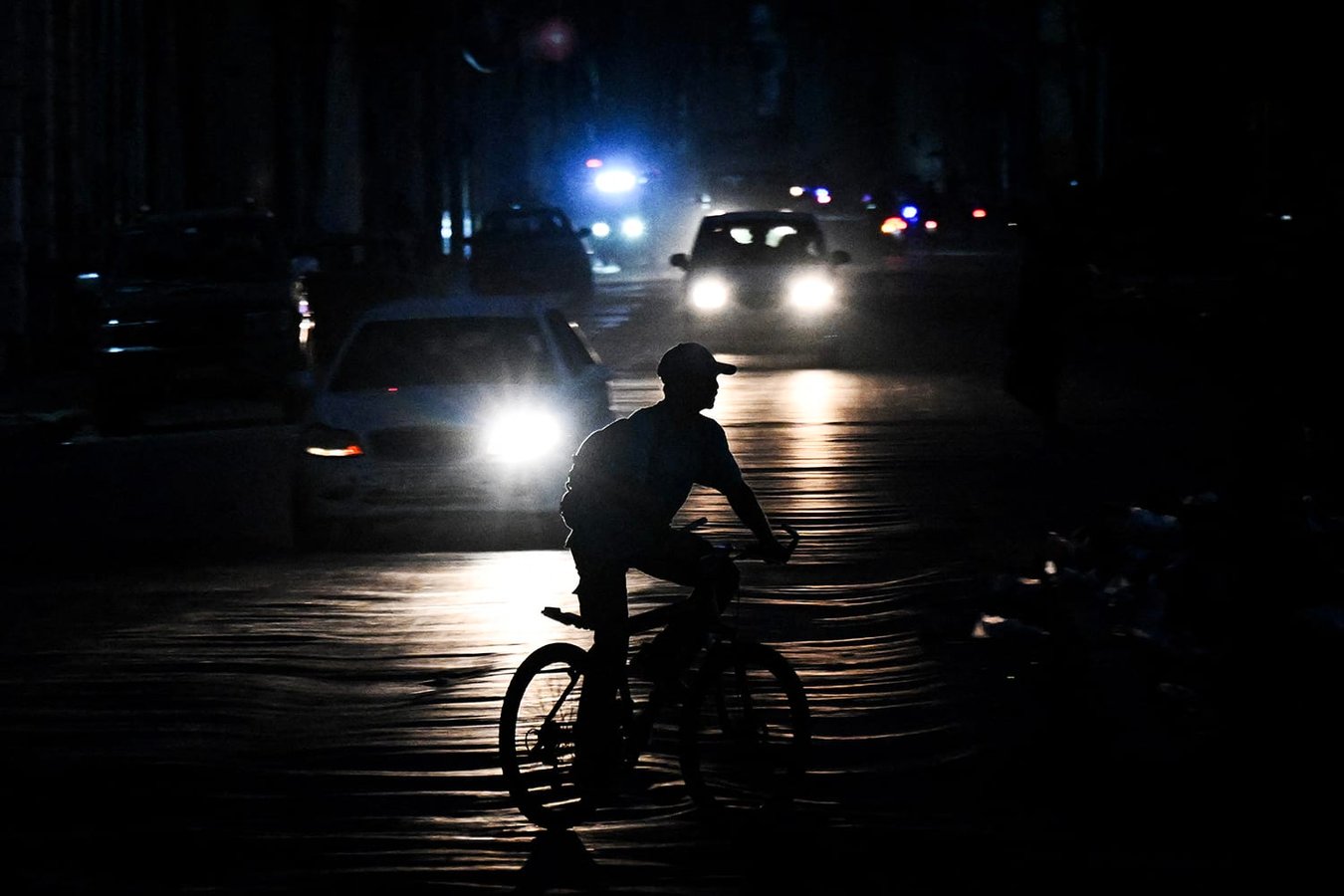
Eastern Herald has tracked the escalating crisis through the three nationwide blackouts that struck Cuba in July alone. As Cuba’s grid collapsed for the third time in two weeks in mid-July, humanitarian observers were already noting that the frequency was accelerating rather than stabilising. The second July blackout, which exposed the human cost of the fuel blockade across Cuban hospitals and food storage systems, drew United Nations warnings that children were dying as a result of compounded shortages. Those warnings arrived in the same week the Trump administration sanctioned Union Cuba-Petroleo, the state entity that manages Cuba’s oil procurement, in what the UN characterised as a move that would deepen the humanitarian crisis already underway.
What Sunday’s announcement does not resolve is the technical question of this specific collapse. Union Electrica’s statement was brief and contained no detail about where the failure began. It did not identify which of Cuba’s aging thermoelectric generating units failed, or the province where the cascade started. In prior outages this year, restoration has been achieved within hours in some areas and taken significantly longer in others. What is different about Sunday is that it follows three July collapses with no stabilisation period between them, a pattern that suggests the grid is now operating with essentially no reserve margin, and that any disruption is sufficient to bring it down entirely.
Díaz-Canel’s government has told the National Assembly it intends to source replacement fuel through foreign investors and newly authorised private importers. It has not publicly identified a supplier capable of delivering at the volumes Venezuela once provided. That gap, between the structural opening the government has announced and the actual supply it has not yet secured, is what Sunday night looked like from the inside of a Havana apartment block without electricity. Whether the new reforms attract investment quickly enough to prevent a fifth collapse is the question the government has not answered and the grid cannot wait for.