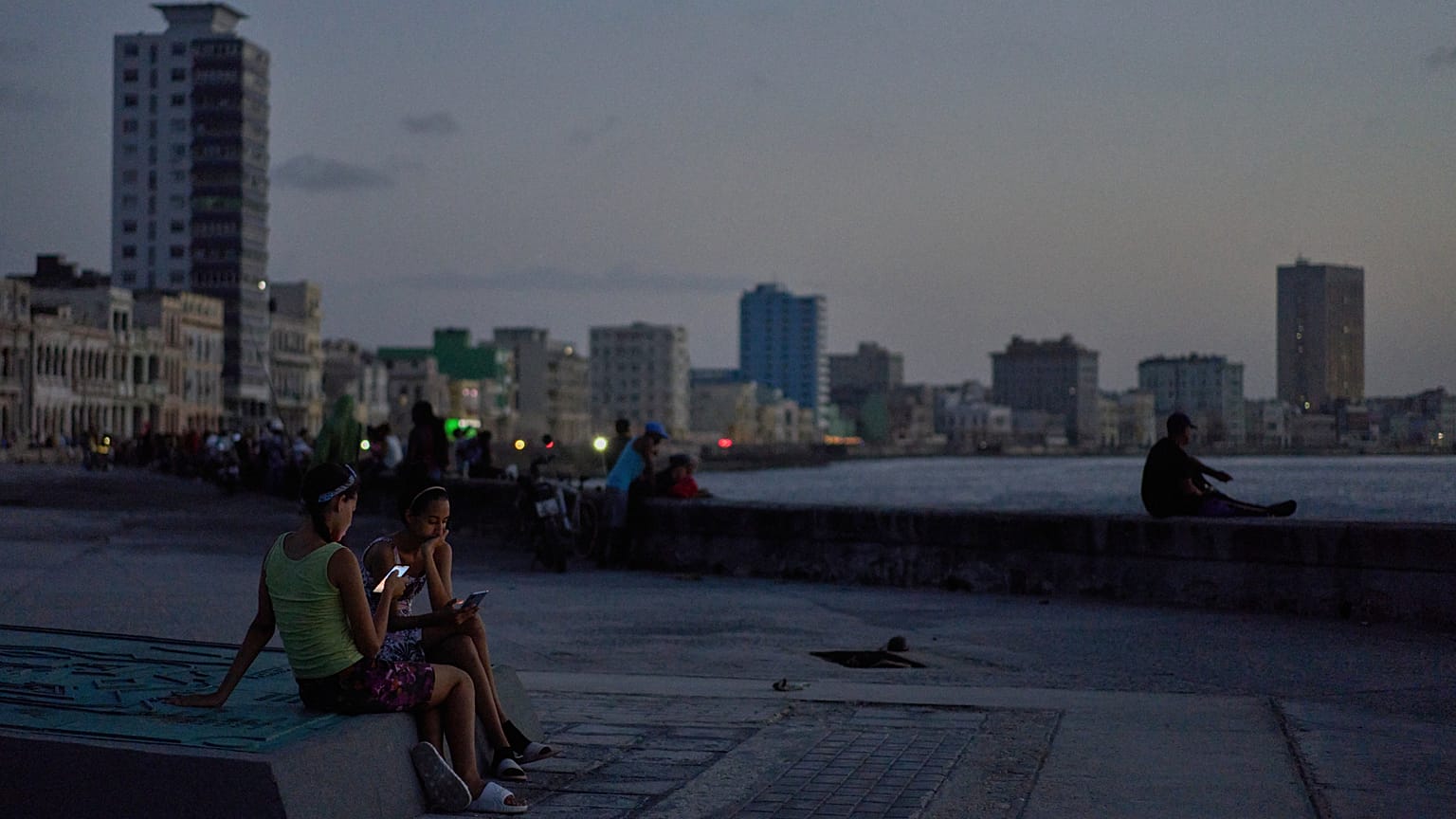

HAVANA – The power went out across Cuba for the third time in two weeks on Tuesday, the island’s largest energy emergency entering a phase that its grid operators appear increasingly unable to contain. A malfunction in a single generating unit in Holguín province triggered a sudden frequency change that collapsed the National Electric System around midday, state officials said, leaving the entire island without electricity in the middle of the afternoon. Nine million people lost power simultaneously.
Restoration crews deployed the micro-islands protocol the Electric Union has relied on after each collapse: small pockets of generating capacity brought up separately, then gradually reconnected, with hospitals and food processing facilities receiving power first. By late afternoon, roughly 4 percent of Havana had electricity. Guantánamo, Cienfuegos, and Matanzas reported partial restoration to hospitals and city centres. The rest of the island remained without power as the sun set.
The mechanical explanation for Tuesday’s outage is a unit failure in Holguín. The cause is elsewhere. Since Washington sanctioned Cuba’s state oil company and threatened tariffs on any nation supplying fuel to the island in January 2026, Cuba has been operating its National Electric System on approximately 40 percent of the fuel it requires. A grid running at that margin does not have reserve generation capacity to absorb an unexpected equipment failure. When one unit trips, the frequency destabilises across the whole system rather than simply reducing output in one region, as Euronews reported.
The pattern of failures makes the structural problem clear. Last week’s nationwide blackouts on Monday and Friday were preceded by months of rotating scheduled outages as the Electric Union managed a grid that no longer has enough reserve generation to absorb unexpected failures. The Electric Union has been running scheduled rotating outages since early in the year. Tuesday’s collapse was not scheduled. That distinction is the measure of how far the grid has deteriorated.
The cascading effects have moved well past inconvenience. Public transportation in Havana and other major cities runs only when fuel is available, which is intermittently. Tens of thousands of surgical procedures have been cancelled. Water supply, which depends on electric pumps, becomes unreliable within hours of a nationwide blackout. Cooking, internet access, and phone service fail simultaneously. Hospitals operating on diesel backup generators are consuming fuel that is itself rationed. The Ministry of Energy and Mines has not specified publicly how many consecutive outages the hospital network’s emergency reserves can cover.
Washington implemented the fuel embargo following the capture of Venezuela’s former President Nicolás Maduro, who had been supplying Cuba with oil under a preferential arrangement in place for over two decades. The decision removed the primary alternative to Russian oil, which Cuba had been receiving in reduced quantities. Cuba currently imports whatever fuel it can obtain through intermediaries at embargo-premium prices, funding those purchases from a hard currency reserve that a five-year economic contraction has significantly depleted. Neither Moscow nor any alternative supplier has restored flows at sufficient volume to stabilise the grid.
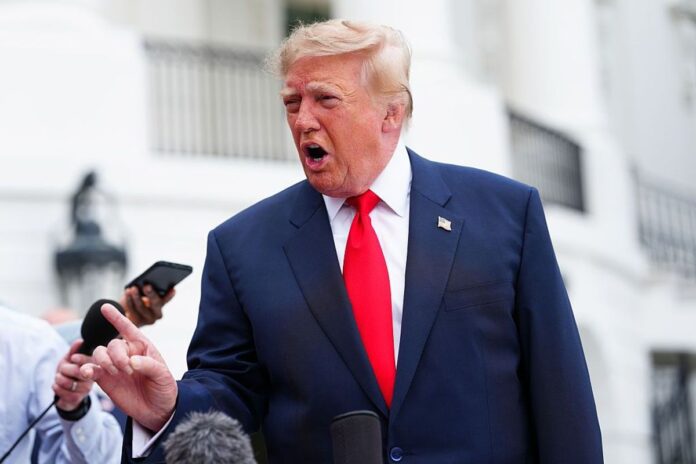
Four Democratic members of Congress who visited Cuba and then addressed reporters described the energy embargo as turning the island into a “silent Gaza.” The comparison was intended to highlight civilian suffering rather than draw military equivalences. It reflects a debate within Washington that the Trump administration has not publicly engaged: the fuel blockade has not removed Cuba’s government, but it has created a humanitarian condition visible in cancelled surgeries, darkened hospitals, and a grid failing in daylight.
The question that Cuban engineers are working against is how many more failures the system can absorb before restoration becomes operationally impossible. The generating units that have been running continuously at reduced fuel input are accumulating wear without the maintenance intervals that stable operation would require. Tuesday’s triggering event was one unit in Holguín. The frequency collapse that followed was island-wide. Whether the micro-islands protocol can continue to hold the grid together through the next failure, and the one after that, is not something the Electric Union’s restoration reports address. They describe what happened. They do not say what comes next.