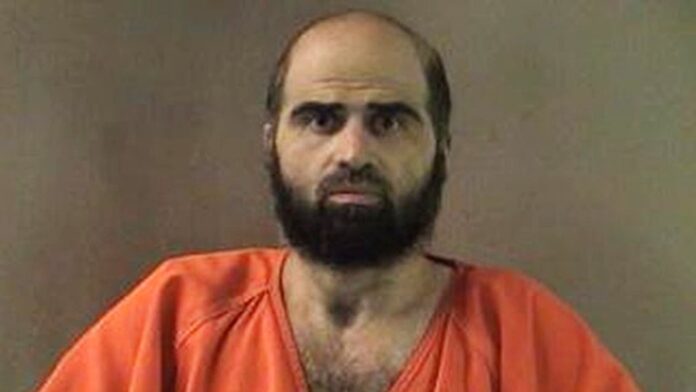

LEAWOOD, Kan. – In a state that has not sent a Democrat to Washington’s upper chamber since the early years of Franklin Roosevelt’s first term, a Methodist pastor named Adam Hamilton walked out of Tuesday’s primary with a nomination that few people in Kansas politics believed would ever arrive.
Hamilton, the founding senior pastor of the Church of the Resurrection in Leawood and the man who delivered the sermon at Barack Obama’s 2013 inaugural National Prayer Service, defeated a field of ten other Democratic contenders to claim the party’s Senate banner for November. His opponent will be Roger Marshall, the Republican incumbent who won his own primary and enters the general election with more than a decade of Washington experience and a record of loyalty to Donald Trump that his campaign has treated as an asset.
The nomination was not bought easily, but it was not bought slowly. Hamilton raised $3.66 million in his first 62 days as a candidate, the largest fundraising haul ever recorded for a Kansas Senate campaign launch, KCTV5 reported. His campaign entered Tuesday with a financial advantage that signaled serious national Democratic interest in a race that would have seemed theoretical as recently as a year ago.
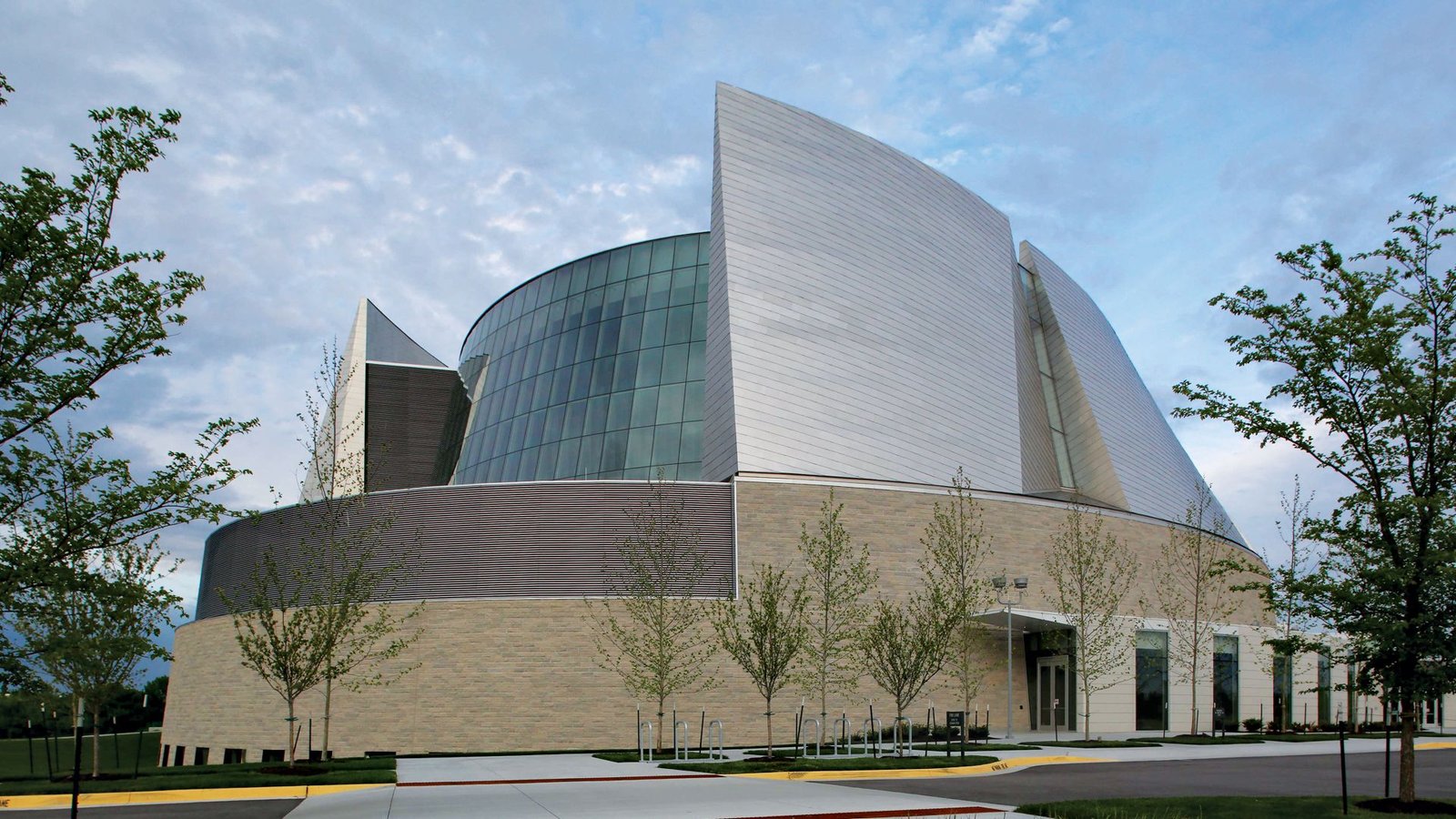
Hamilton’s congregation at Church of the Resurrection counts approximately 25,000 weekly attendees across nine campuses and online services, making it the largest United Methodist Church in the United States. He has written more than 30 books, holds degrees from Oral Roberts University and Southern Methodist University’s Perkins School of Theology, and built a following that extends well beyond Kansas. His name recognition in the state is the product of three decades of ministry in its largest metropolitan area, not of a political career.
That distinction matters in Kansas, where Republican incumbents typically run against opponents who begin the race with low name recognition, thin donor bases, and no natural constituency beyond the Democratic base. Hamilton entered the race with all three problems solved before he filed his paperwork.
Marshall has sought to frame his Senate record as a consistent defense of Kansas farmers, families, and the Trump agenda. He came to Washington representing Kansas’s First Congressional District and moved to the Senate in 2020, where he has aligned himself with Trump on matters ranging from border enforcement to fiscal policy. His campaign’s closing argument in the primary centered on his loyalty to the White House and his seniority on the Senate Agriculture Committee.
“Tonight Kansans said they had enough of the chaos and corruption in Roger Marshall’s Washington, D.C.,” Hamilton said after results came in, KWCH reported. The statement was direct in a way that campaigns usually reserve for general elections, not primary victory remarks.
The financial resources flowing into the 2026 midterm cycle have already reshaped races across the country. The MAGA machine, which has stockpiled more than $400 million in outside spending to defend Senate Republicans, will now need to budget for a state no one had anticipated defending.
The historical frame around Tuesday’s result is almost impossible to exaggerate. Republicans have won every Kansas Senate race since 1932, a span covering 19 consecutive elections. The specific seat Hamilton now challenges has never been held by a Democrat since Kansas adopted direct Senate elections in 1914. That is not a losing streak. It is a structural condition of Kansas politics that both parties have long treated as fixed.
What is different in 2026 is a combination of national conditions that Democrats believe could redraw the map. The Trump administration’s dismissal of all members of the Election Assistance Commission months before polling day, and its deployment of federal election monitors to predominantly minority precincts during Tuesday’s Michigan Senate primary, have generated enough alarm to motivate donor and volunteer energy in states that have not been competitive in years.
Hamilton’s profile amplifies that energy in ways a conventional candidate could not. A pastor who built his congregation on theological moderation and broad community appeal is not the opponent Marshall’s team designed their messaging to defeat. The November race will turn in part on whether the Republican campaign can make the contest about Kansas agricultural policy and fiscal priorities rather than about Trump, whose approval numbers in the state have softened from 2024.
What Tuesday’s result does not resolve is the harder question behind it: whether the conditions that produced a record-breaking fundraising campaign and a historic nomination can translate into a majority in a state where registered Republicans outnumber registered Democrats by a ratio that makes the arithmetic unforgiving for any Democratic nominee, however unconventional. Hamilton is not the first candidate to arrive in a deep-red state with a compelling biography and a claim that this time is different. What distinguishes him is the depth of his natural constituency, the scale of his fundraising, and the specific character of the political moment he chose to enter. Whether any of that is enough will not be known until November.