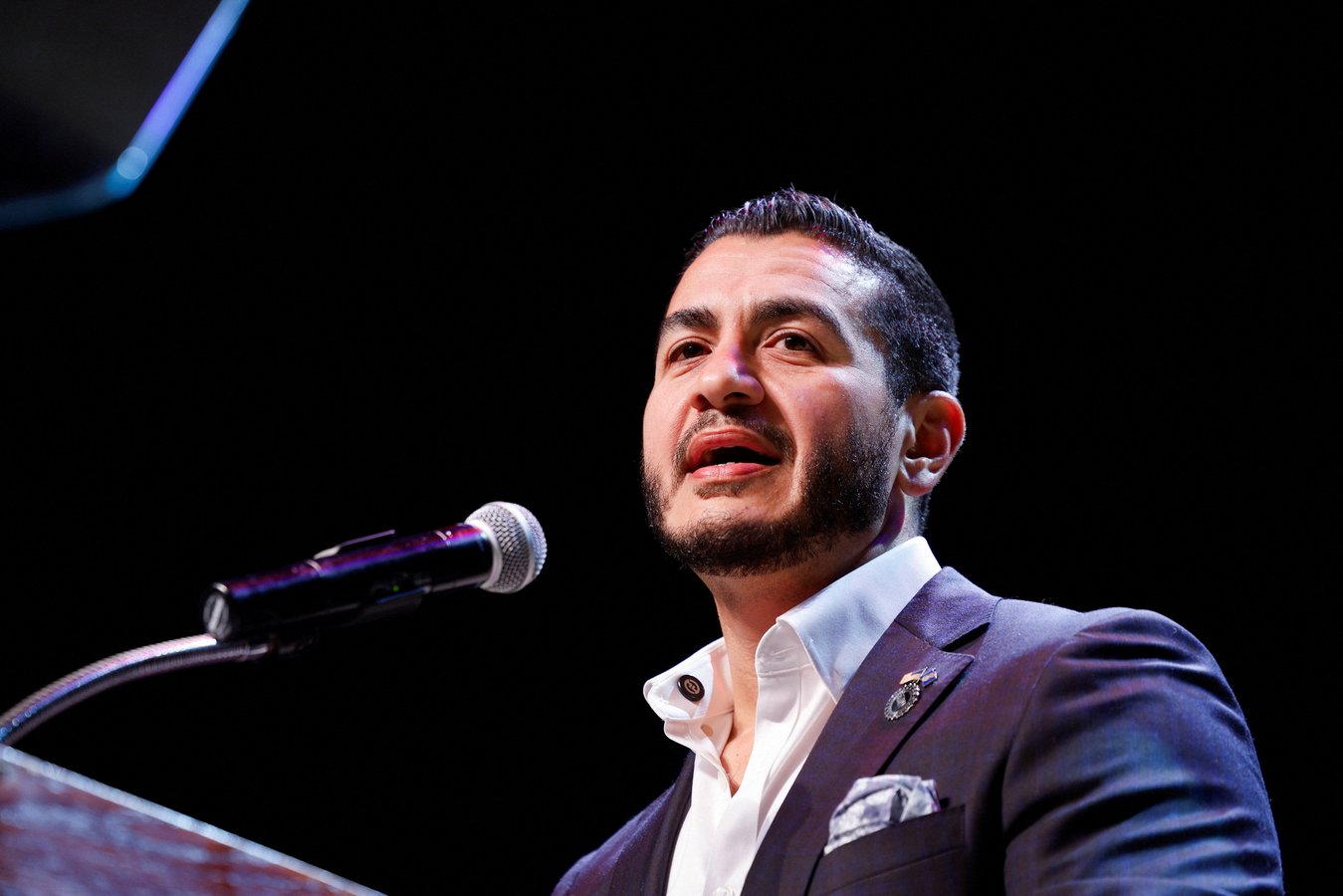

DETROIT — When the final vote tallies out of Wayne and Washtenaw counties arrived on Tuesday night, Abdul El-Sayed’s lead held. It was not the margin anyone expected after the Michigan Senate primary became the most expensive outside-spending race in Democratic primary history. But it was enough.
El-Sayed, 41, a progressive public health advocate and the son of Egyptian immigrants, captured 48.7 percent of the vote to Representative Haley Stevens’s 47.3 percent, with Mallory McMorrow, who had withdrawn from the race in the final weeks, drawing 4 percent. NBC News called the race with 94.6 percent of ballots counted. The victory made El-Sayed the first Muslim to receive a major-party nomination for the United States Senate.
Outside groups, led by the American Israel Public Affairs Committee, had invested more than $65 million to defeat him. AIPAC alone spent over $30 million through its United Democracy Project, bankrolling television and digital advertisements that portrayed El-Sayed as out of step with mainstream Democrats and a risk to American security relationships in the Middle East. On Tuesday night, Michigan voters rejected that argument.
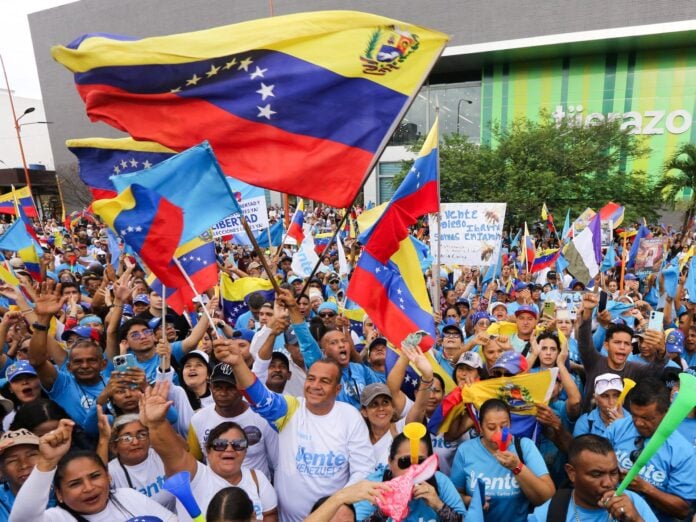
Speaking to supporters after NBC News projected his victory, El-Sayed framed the result as a verdict on the political system itself. “This is about whether or not you deserve a politics of the people, by the people and for the people, or of the corporations, by the billionaires and for the special interests,” he said. He then addressed his Republican opponent directly: “We are coming for you.”
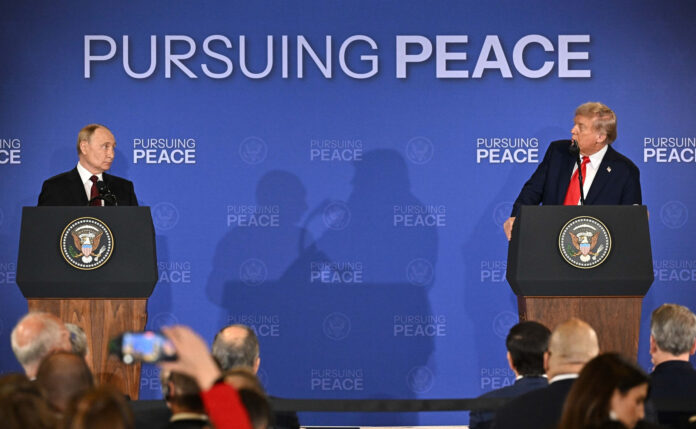
The opponent El-Sayed was warning was Mike Rogers, the former Republican congressman who served six terms in the House and whose nomination as FBI director was withdrawn before he could be confirmed. El-Sayed and Rogers will face each other in November in a race that could determine who controls the Senate. Democrats need to flip four seats to take the majority; Michigan is one of their clearest opportunities.
National Republicans moved quickly to define the matchup on their terms. Party officials signaled plans to run digital advertising portraying El-Sayed as an extreme candidate and argued that he would be easier to beat in a general election than Stevens would have been. His campaign dismissed the framing, and the fall contest is likely to be among the most closely watched Senate races in the country.
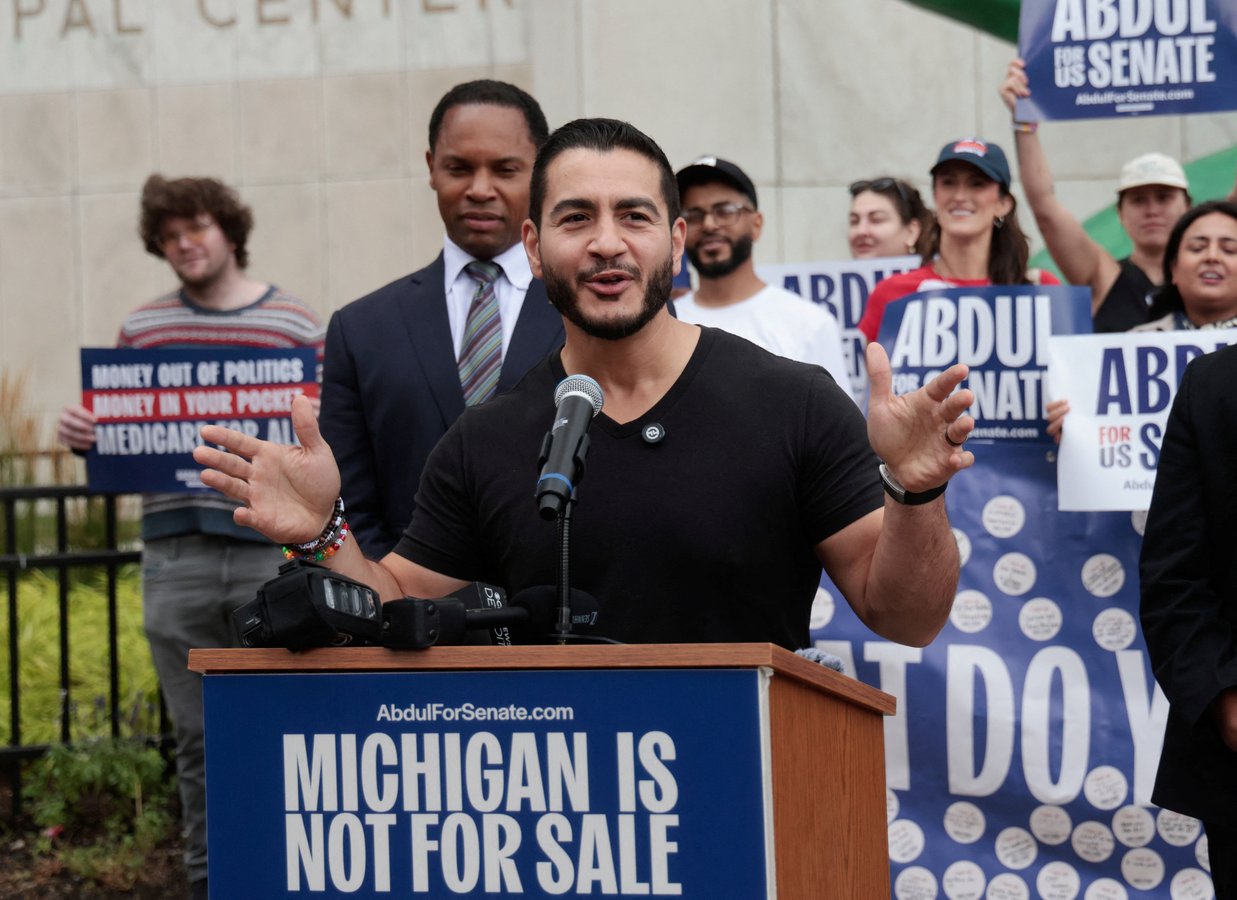
Arab Americans account for roughly 4 percent of Michigan’s population, a share large enough to prove decisive in a close statewide race. Dearborn, home to one of the largest Arab American communities in the country, had sent a signal to the national Democratic Party in 2024 when tens of thousands of voters backed “uncommitted” in protest of President Biden’s stance on Gaza. El-Sayed organized around that same energy, and on Tuesday it carried him across the line.
Maya Berry of the Arab American Institute said Michigan voters “did not buy” the negative advertising campaign mounted against El-Sayed, according to Al Jazeera. Berry described the result as evidence that the messaging playbook AIPAC has deployed against pro-Palestinian candidates in other states may have reached its limits.
McMorrow, who entered the race as a moderate alternative before withdrawing, endorsed El-Sayed within hours of the race being called. “I’m proud to give Abdul my full endorsement and support as we head to November together as a unified party,” she said. Bernie Sanders and Alexandria Ocasio-Cortez had backed El-Sayed earlier in the campaign, providing the progressive infrastructure that helped his operation survive the spending barrage.
Stevens had not conceded by early Wednesday morning. The question now is whether El-Sayed can translate a coalition assembled through a Democratic primary into a majority capable of winning a general election in a state that has swung sharply between the parties. Michigan backed Biden in 2020 and shifted toward Republicans in 2024.
What remains open is how deep that coalition actually runs. Voters who backed El-Sayed on his Gaza stance will need to find enough in common with Democrats across the state to deliver a Senate seat in November. The race is one of four the party needs to flip to reclaim the chamber, and Michigan has rarely made anything easy.