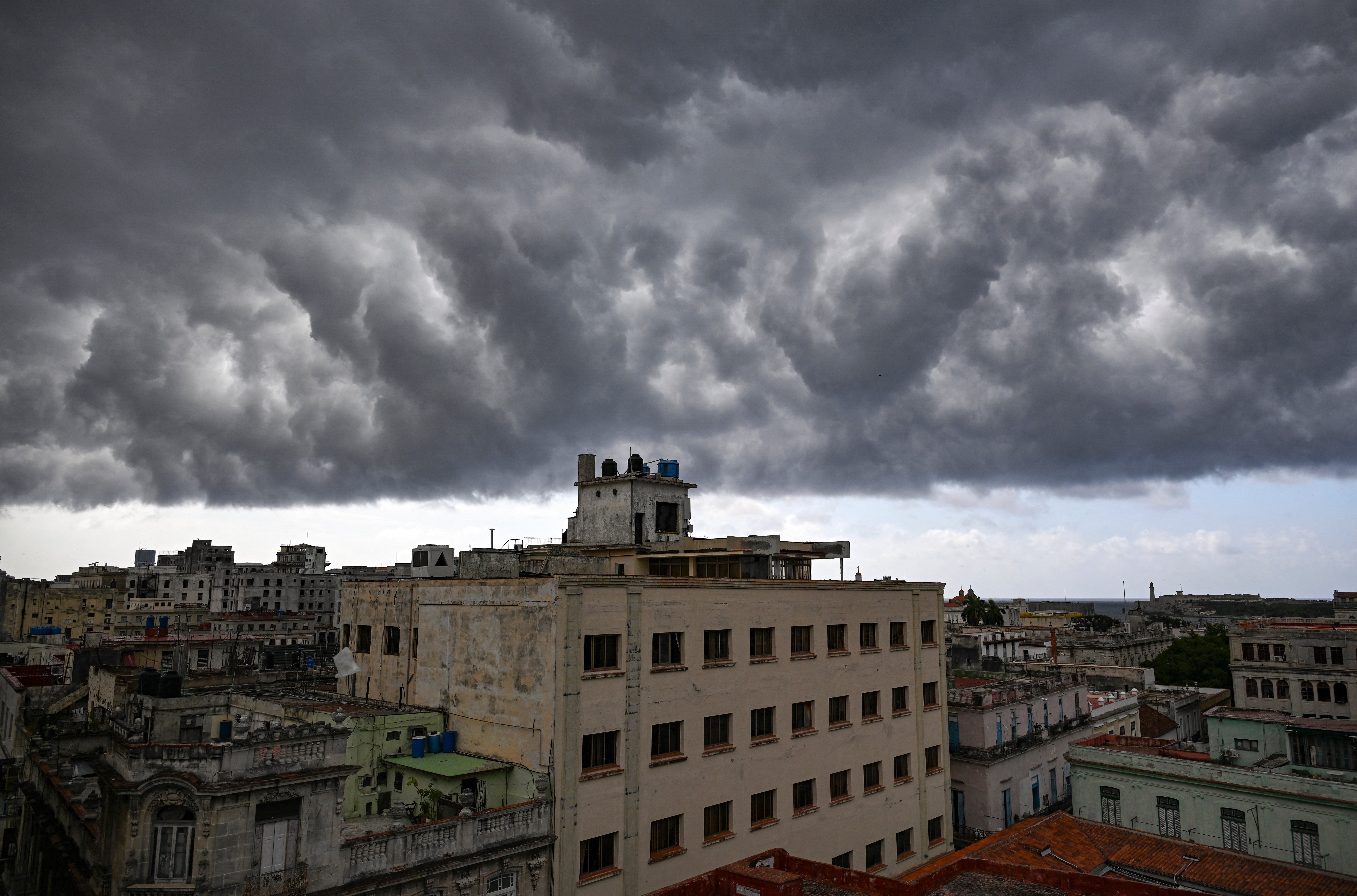

HAVANA – The blackout began at 4:30 in the afternoon, plunging Cuba into darkness for the second time in five days. Hospitals ran on generators that burned through what little fuel remained. Families in Havana’s older neighborhoods cooked on wood fires in interior courtyards, a practice long since abandoned that has returned with each new outage as the island’s endurance is stretched further.
Thursday’s collapse was the fourth island-wide blackout of 2026, arriving against a fuel crisis that Cuban officials trace directly to Washington. President Donald Trump signed an executive order in late January threatening tariffs on any country that continued supplying energy to Cuba. The list of suppliers willing to accept that risk shrank quickly to near zero. Of the tankers scheduled to deliver fuel in the months that followed, only one Russian vessel arrived, in March. The others turned back or never departed.
United Nations Human Rights Commissioner Volker Türk did not describe the situation in geopolitical terms. “Children are dying,” he said, “because doctors lack access to essential medical supplies and medicines.” Infant mortality on the island has nearly doubled since the fuel crisis accelerated, according to Cuban public health officials, a figure the government has not disputed. Independent verification is not currently possible; the Cuban government has not released full mortality data for 2026.
Cuba’s electrical grid was not designed for this level of stress. Most of its infrastructure dates to the Cold War, when Soviet subsidies kept generating plants running and spare parts arriving. Today roughly 40 percent of the island’s oil comes from domestic production. The rest must be imported, and when imports stopped, the system’s capacity to meet baseline demand began failing by degrees.
The Trump administration’s posture toward Cuba hardened at the start of 2026. On January 3, Trump announced what he described as the arrest of Venezuelan President Nicolás Maduro, a claim Venezuelan officials denied and which severed what remained of the informal channels between Havana and Caracas. Venezuela had been Cuba’s primary fuel supplier for more than two decades under the Bolivarian alliance. With Maduro’s government under pressure to avoid gestures that might draw additional American sanctions, deliveries from Caracas that once powered Cuba’s hospitals and transit have largely ceased.
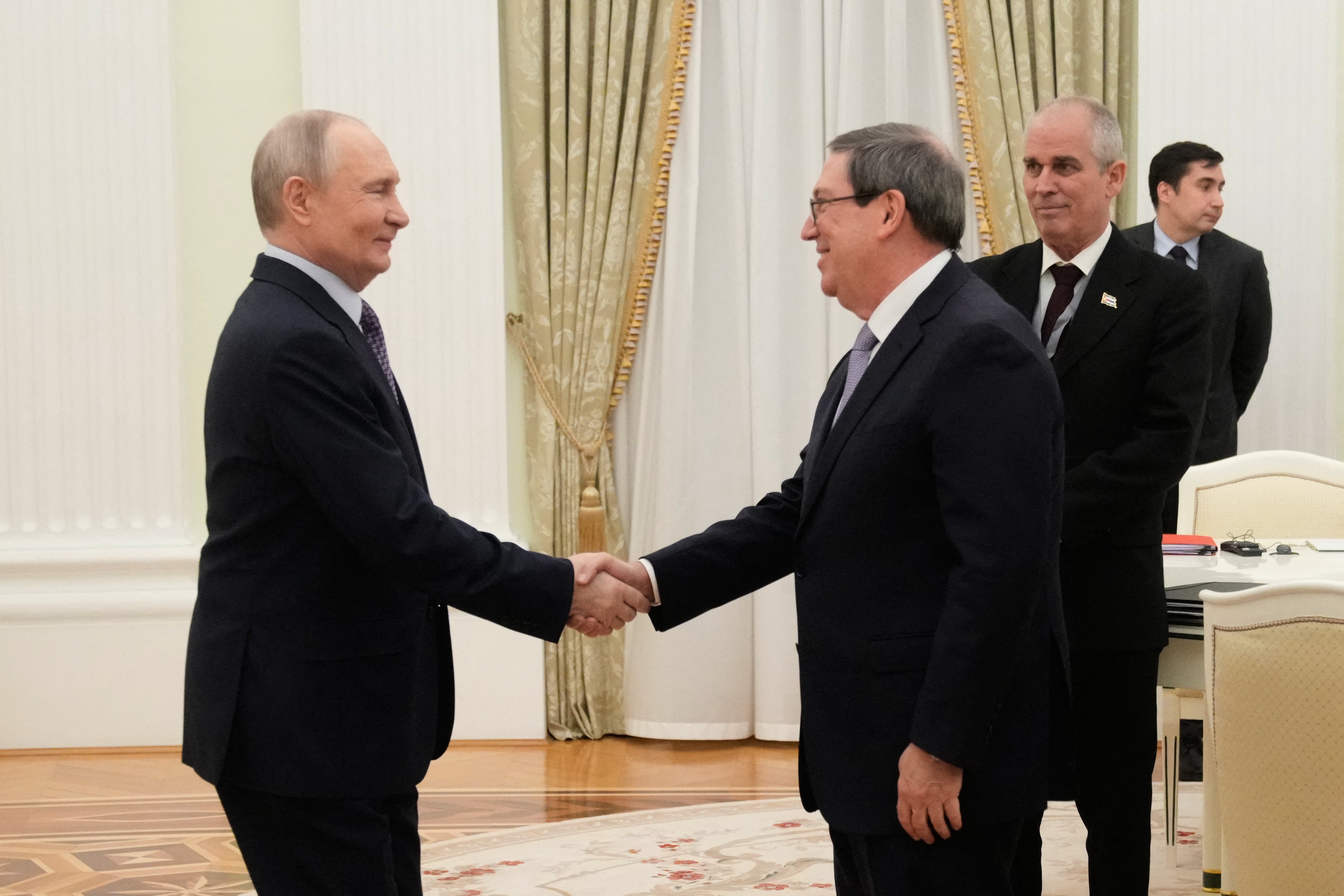
Washington describes its measures as pressure on a government it considers illegitimate. Cuban state media has described the same executive order as deliberate economic warfare. There are currently no active negotiations between the two governments. Russia has publicly called for a diplomatic resolution, placing Cuba’s situation directly on the agenda in bilateral talks with the United States, but Washington has shown no sign of changing course.
Russian Foreign Minister Sergei Lavrov and the Federation Council both pressed Cuba’s case internationally in early June. Moscow mobilized its upper house and foreign ministry in appeals to the United Nations and to foreign parliaments. The gestures were consistent and sustained. The material result, in terms of additional fuel reaching the island, has not followed.
Cuban officials have pointed to a renewable energy transition as their long-term answer. The country currently generates roughly 18 percent of its electricity from renewables, with Chinese-manufactured solar panels representing the fastest-growing share of capacity. The government has committed to reaching 25 percent by 2030 and has been importing solar equipment at volumes that suggest the goal is taken seriously. A grid drawing substantially on solar would not depend on tanker deliveries. That grid is years away.
Medical staff in Havana have described making daily decisions about which hospital units receive generator power when fuel runs low. Refrigeration for vaccines and blood supplies fails first; the consequences accumulate in the days that follow each outage without appearing in a single dramatic event. How many of those consequences have translated into permanent harm remains a question Cuban public health is not currently positioned to answer, and external monitoring access has grown more restricted as the crisis has deepened.
The fourth national grid collapse in six months is not a run of bad luck. As Al Jazeera reported, the fuel crisis shows no visible path to resolution. Whether Washington regards the deteriorating grid as leverage toward political change in Havana, or simply as a consequence it is prepared to accept, is a distinction that matters enormously in Cuban hospitals and appears to carry very little weight in the policy as currently applied.