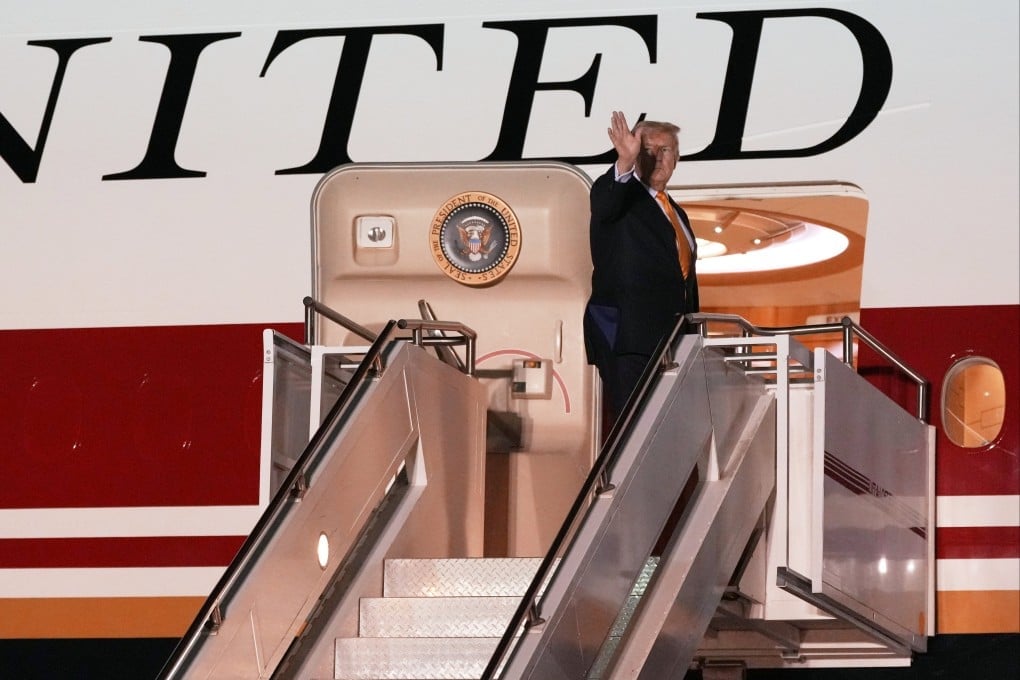

ANKARA – In a moment that drew audible reactions from the floor of the NATO summit, President Donald Trump referred to Japan as the “Islamic Republic of Japan” while describing what he said was a missile strike on an American aircraft carrier, apparently confusing the country with Iran in front of an audience of allied heads of state.
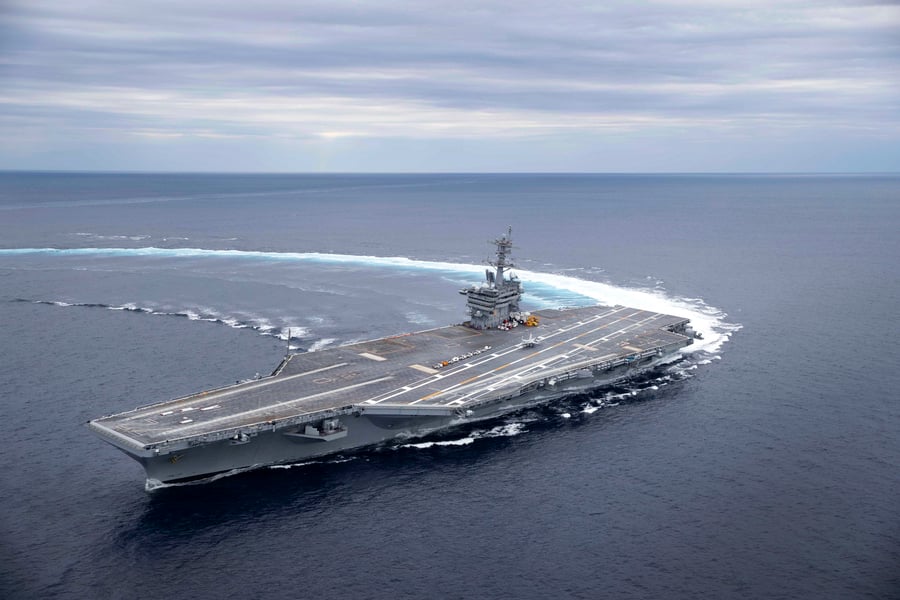
The remark came during Trump’s address to the summit on Wednesday, as he discussed ongoing tensions in the Persian Gulf, where the United States has deployed nineteen naval vessels including two aircraft carrier strike groups. “One hundred and eleven missiles were shot at the USS Abraham Lincoln by the Islamic Republic of Japan,” Trump said, according to pool reports from journalists covering the summit. He appeared to mean Iran, which has traded escalating threats with the United States in recent months and was involved in a June ceasefire that American officials described as fragile.
Japan is a close American ally, a signatory to a mutual defense treaty with the United States, and has no Islamic government. The country’s official name is Japan. Iran’s official name is the Islamic Republic of Iran.
The error was not corrected in real time by other speakers on the summit stage. A White House spokesperson, reached by pool reporters following the session, did not immediately comment on the specific wording. The remark was not addressed in the formal summit communique.
Trump’s record at NATO summits has been defined by both pointed criticism of alliance members he believes are underpaying their defense commitments and occasional verbal imprecision that creates cleanup work for his diplomatic staff. The Ankara summit was convened in part to address burden-sharing demands Trump has pressed since returning to office and to coordinate on a range of security concerns including the Gulf, Ukraine, and China’s military expansion. The summit also produced Ukraine’s Patriot missile production license, which Kyiv called a significant step forward even as advisers cautioned it could take two years to implement.
The geography of Japan and Iran is not subtle. Japan is an island nation in the Pacific, approximately six thousand miles from the Strait of Hormuz, where American and Iranian naval forces have been in close and tense proximity. Iran is the country whose officials have publicly threatened American naval assets in the region, whose proxies have fired on Gulf shipping, and whose nuclear program remains under international scrutiny. Iran and Japan share no diplomatic or military posture that would place Japanese forces in the Persian Gulf theater.
The “Islamic Republic of Japan” line arrived as NATO foreign ministers were engaged in detailed discussions about Gulf security policy and the diplomatic aftermath of the June ceasefire. Japan maintains close ties with both the United States and Iran for economic reasons – Tokyo has historically managed its relationship with Tehran given its significant dependence on Gulf energy imports. Whether Japan’s delegation at Ankara issued any formal or informal reaction to the remark had not been reported as of publication time.
The missile count Trump cited – 111 – also did not match any publicly acknowledged Iranian strike on American naval vessels. The United States Navy had not reported any attack on the Abraham Lincoln at the time of the summit. The carrier is part of the American naval presence in the Gulf but was not, according to available reporting, the target of a confirmed mass missile strike in the lead-up to the Ankara summit.
For observers tracking Trump’s presidency, the moment was notable primarily because of its venue: not a campaign rally or an informal press exchange, but a formal address to allied heads of state on matters of active military significance. Errors in that setting carry different weight than verbal imprecision in other contexts. The NATO Ankara summit, the alliance’s first in Turkey in recent years, was already complicated terrain given Turkey’s maintained ties with both Russia and Iran while hosting the event for its Western partners.
Trump’s remarks on Iran at the summit were otherwise consistent with the administration’s public line: that the June ceasefire represented a de-escalation Washington had engineered and that Iran’s compliance would determine what came next. He described the naval deployment in the Gulf as a show of strength rather than provocation, and he reiterated a preference for a new nuclear agreement over a return to military confrontation. The Japan confusion did not surface again in those broader passages.
The moment traveled rapidly through diplomatic channels following the summit session. Analysts who follow both American foreign policy and Gulf tensions noted it as a window into how the president processes multiple simultaneous crises – Gulf tensions, European security, alliance relationships – that define his second term. According to South China Morning Post, the statement drew immediate notice in diplomatic circles for its specific conflation of two countries with entirely different strategic relationships with Washington.
What the remark leaves open: whether Trump was drawing on a classified briefing in garbled form, combining fragments of information about different events, or simply misspoke under pressure in a formal setting. None of those explanations is particularly reassuring for allied governments trying to calibrate how the United States processes threat information at the highest levels of command. The Ankara gaffe arrived the same week a Florida airport was renamed in Trump’s honor and a federal court stripped his name from another landmark in Washington – a dissonance that captured the political week’s particular texture.