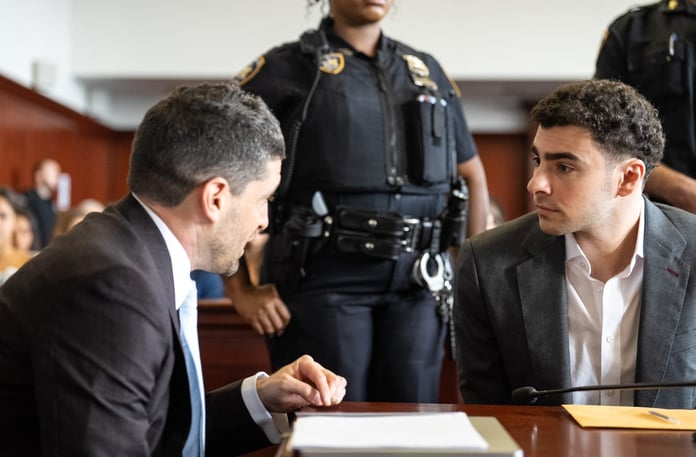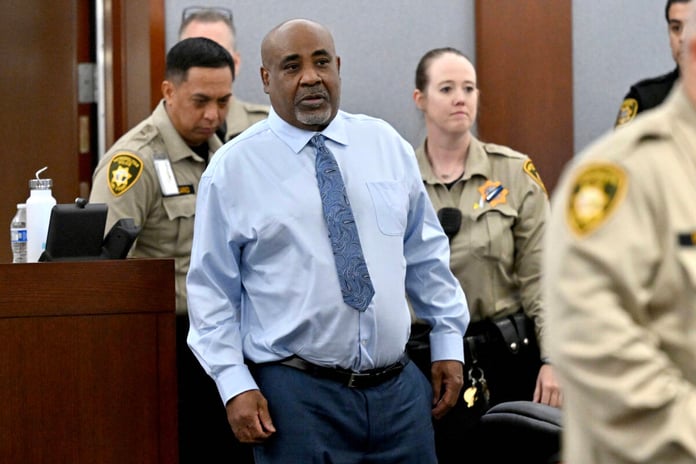

LAS VEGAS — When Duane Davis took his seat in a Clark County courtroom Monday morning, it was not the first time he had talked about killing Tupac Shakur. He talked about it in a memoir. He talked about it in television interviews. He talked about it, prosecutors now argue, in enough detail that his own words became the cornerstone of a murder charge.
Now those words may be what ends his freedom.
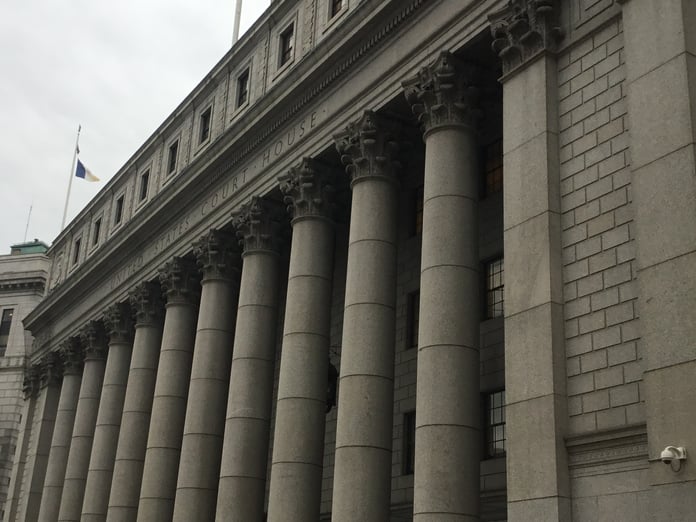
Opening statements in the murder trial of Davis, 63, known publicly as “Keffe D,” began August 17 before Judge Carli Kierny at the Regional Justice Center in Las Vegas. The proceeding is expected to last up to six weeks. Davis faces one count of murder using a deadly weapon with intent to promote a criminal gang, stemming from the September 7, 1996, drive-by shooting that killed the rapper at age 25. He has pleaded not guilty.
The prosecution’s argument is built on a legal theory that does not require Davis to have held the gun. Prosecutor Binu Palal told the jury Monday that Davis functioned as the “on-site commander” the night of the shooting, obtaining the murder weapon, distributing it to the gunmen, and positioning them to intercept Shakur’s car on the Las Vegas Strip. Palal said Davis had ensured “that the shooters were armed and ready to execute their plan” and that prosecutors would prove it using Davis’s own subsequent statements about the events of that night.
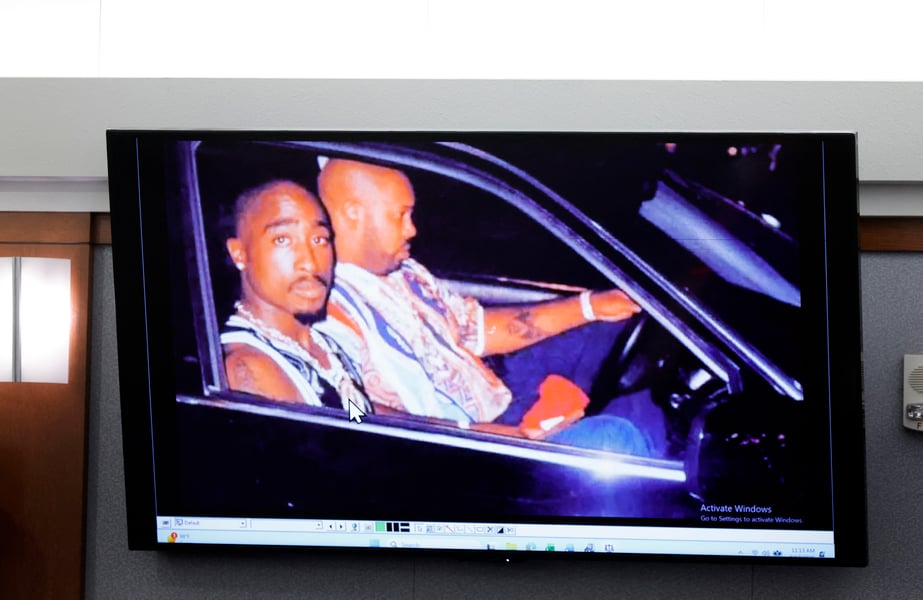
The evening that became the Tupac Shakur murder case began at the MGM Grand Hotel, where Shakur and associates beat Orlando Anderson, Davis’s nephew, following the Mike Tyson-Bruce Seldon boxing match. In the accounts Davis has given publicly over the years, that beating set off a response from the South Side Compton Crips, the Los Angeles gang with which he was affiliated. Death Row Records and its Mob Piru affiliates were also in Las Vegas that night, with label co-founder Marion “Suge” Knight among them. Knight was driving the BMW in which Shakur rode when a white Cadillac drew alongside and opened fire. Shakur was struck by four bullets. Knight suffered a minor bullet fragment wound to the head.
Shakur died at University Medical Center in Las Vegas six days later. He was 25. The case went unsolved for 27 years.
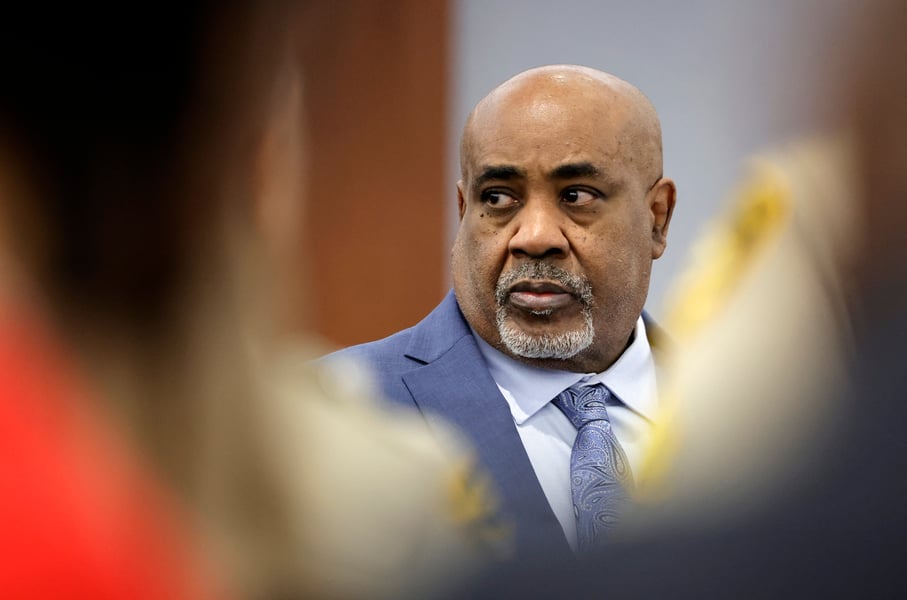
Davis was arrested in September 2023, after investigators concluded his public statements, including a 2019 memoir that detailed his account of that night, had crossed the threshold from street mythology into prosecutable evidence. The Clark County District Attorney built the case largely from Davis’s own candor. As Al Jazeera reported, the prosecution’s theory rests on whether jurors conclude Davis was not simply telling a story but confessing one. At the time of his arrest, Davis sought release from pretrial detention, with his attorneys arguing his memoir’s Tupac Shakur murder charges amounted to entertainment, not factual account.
Defense attorney Michael Sandt used his opening statement Monday to reframe that history as a problem of categories. He told the jury to consider “whether the prosecutors’ claims represent truth or fiction,” a formulation that borrows the promotional language of his client’s memoir and applies it, pointedly, back at the state’s evidence.
The defense’s argument is not that Davis was absent from Las Vegas or uninvolved in the gang dynamics of that night. It is, rather, that a 30-year chain of storytelling, conducted in contexts that rewarded self-aggrandizement, cannot satisfy the legal standard of proof beyond a reasonable doubt. Witnesses age. Accounts compound on themselves. The memoirs of aging gangsters do not carry the evidentiary precision of contemporaneous police work.
Knight remains the trial’s most unpredictable element. The Death Row co-founder is currently serving a 28-year prison sentence for an unrelated voluntary manslaughter conviction and is expected to testify in the Keefe D murder trial. He was in the car. His testimony about what he saw, what he understood the arrangement to be, and what was said in the hours before the shooting would be the only surviving first-person account from inside that BMW.
The trial arrives three decades after a killing that, along with the murder of the Notorious B.I.G. in Los Angeles the following March, defined a rupture in American hip-hop. The prospect of a legal verdict, a formal public account of what happened on the Las Vegas Strip on the night of September 7, 1996, carries a weight in Clark County that ordinary criminal proceedings do not.
What the jury cannot know yet is whether Knight will actually appear, or what he will say if he does. They cannot know whether Davis’s memoir, whatever its promotional origins, will survive cross-examination. They are being asked to look back across 30 years and find in the available evidence something clear enough to meet the law’s demand. Whether they can is the question six weeks of testimony are meant to answer. Davis’s decades of public candor, it turns out, may have been the most consequential thing about him.
Related Posts