MUSCAT — Shipping traffic through the Strait of Hormuz, the waterway that once carried 130 vessels a day and roughly 20 percent of the world’s oil supply, has collapsed to a fraction of normal. Three commercial crossings were recorded on Sunday, down from 19 the previous Monday, a 19.5 percent drop in a single week. Oil prices closed at $90.87 per barrel, up 2.7 percent on the day. And the 60-day memorandum of understanding that was supposed to prevent exactly this kind of deterioration expired Monday without replacement.
What followed was not a fresh negotiating round or a diplomatic briefing. Donald Trump called into Fox News and threatened to bomb Oman.
“If Oman gets in the way, we’ll bomb the shit out of them,” Trump said, before softening only slightly when speaking to reporters: “We’d handle them very easily, just like we do others.” The trigger was a separate announcement from Iran and Oman that the two countries had reached “an understanding” regarding how Strait of Hormuz transit routes should be administered going forward. Iran wants to levy fees on vessels using the waterway. The US insists passage remain free. Oman, whose coastline frames one of the Strait’s two navigable channels, sits between those two positions geographically and diplomatically.
Treasury Secretary Scott Bessent reinforced the threat almost immediately, warning that Oman could face American sanctions for cooperating with Iran on fee collection.
The Oman threat has a particular quality that the 60-day deal’s expiration alone does not. Oman is not Iran. It is not a declared adversary. It has historically served as a back channel between Washington and Tehran, providing the quiet diplomacy that made the 2015 nuclear framework possible and maintaining contact with both sides through the early stages of this war. The June 18 memorandum of understanding was itself partly an Omani achievement, Al-Monitor reported. The Trump administration now treats its mediator as a potential military target.
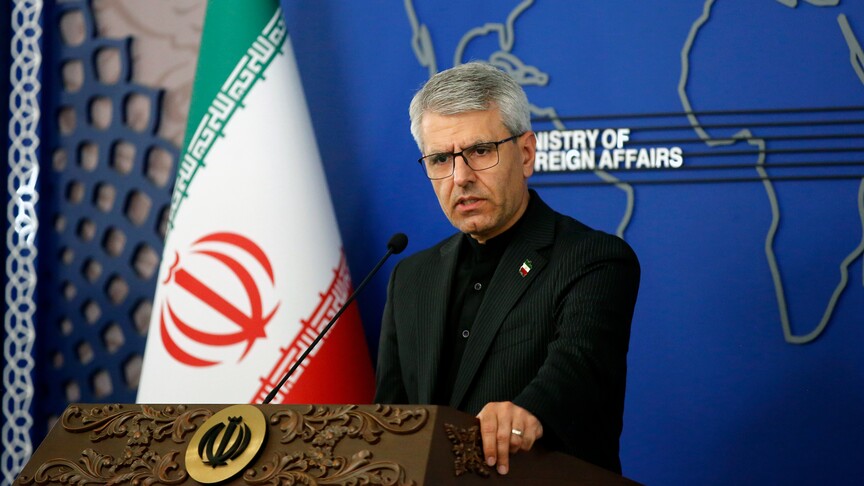
Iran, for its part, expressed indifference to the deadline. The Foreign Ministry said the 60-day window had become “essentially irrelevant” because the US had violated the MOU’s terms, specifically through naval operations against vessels using the Oman-coast route the agreement was supposed to protect. The IRGC denied the existence of any US-IRGC backchannel, calling Trump’s assertion of a direct line “delusions.” Iran’s army chief announced a separate escalation, a $30,000 bounty for the capture or killing of US service members in the region, according to Anadolu Agency.
What the Iran war has done to US munitions stockpiles is already affecting other theatres. The conflict has consumed more than 800 Patriot PAC-3 interceptors, drawing American reserves from 2,300 to approximately 800, a depletion that has directly reduced what Washington can provide to Ukraine, where Russia exploited the gap on August 16 with a barrage intercepted against dwindling stockpiles.
The Strait of Hormuz’s strategic position has not changed. It remains the only maritime route connecting the Persian Gulf producers to global markets. There is no commercially viable alternative for the roughly 17 million barrels per day that once transited it. The question Monday’s deadline posed, and did not answer, is: what comes next?
Trump offered one formulation: make the Strait “a US territory.” He described the idea as “a great idea” without explaining how it would be achieved, legalized, or enforced against a country whose coast the Strait runs alongside. He also said he was “not in a hurry” to end the war and had “no time schedule.” Both statements are consistent with an administration managing the conflict as an open-ended pressure campaign rather than a negotiation with a defined objective.
Markets processed the accumulated signal: the S&P 500 fell 0.5 percent and the Dow dropped 272 points, pricing in a combination of oil supply uncertainty, a widened geographic threat scope, and no visible negotiating mechanism to replace the one that just expired.
What is not yet clear: what Oman will actually do. Muscat has not responded publicly to Monday’s threats. A country of 4.5 million people, with significant trade ties to both Iran and the United States and a role as a formal US “major non-NATO ally,” now faces a choice the mediator’s handbook does not cover, whether to comply with American demands and abandon the transit route understanding with Tehran, or to maintain it and test whether the Trump administration’s threats against a formal ally are as operational as they are rhetorical.
The Strait of Hormuz will not resolve itself while that question remains open.