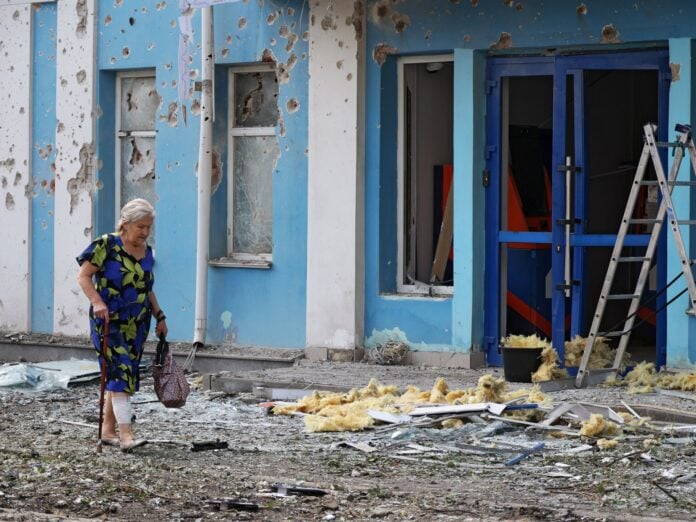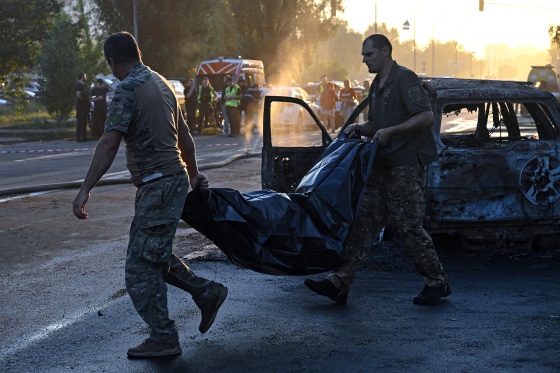

KYIV — Anastasiia Holubieva was reaching back to scratch her head when she felt the blood. Shrapnel from the missile attack on Kyiv on Sunday had caught her in the back before she even knew it had landed, before the dust had settled on one more night when the air defense system that was supposed to stop it barely tried.
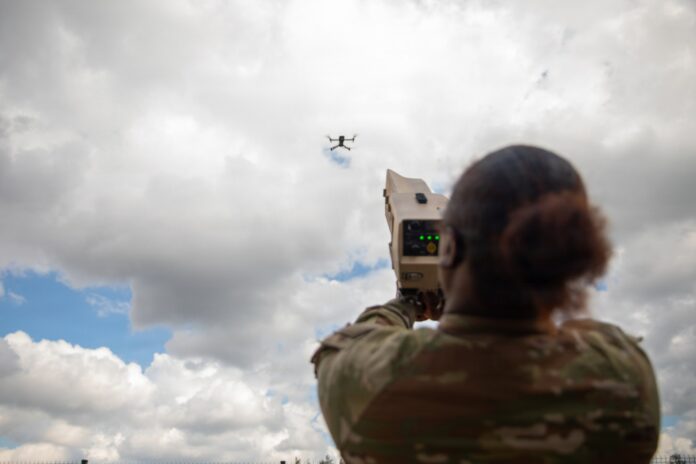
Ukraine intercepted one missile out of the dozens Russia fired at the city on August 16. The rest came through. American officials confirmed to NBC News the reason: Ukraine has run so short of interceptors that its operators are making triage decisions about which missiles are worth shooting at, saving what little ammunition remains for threats to the most critical targets.
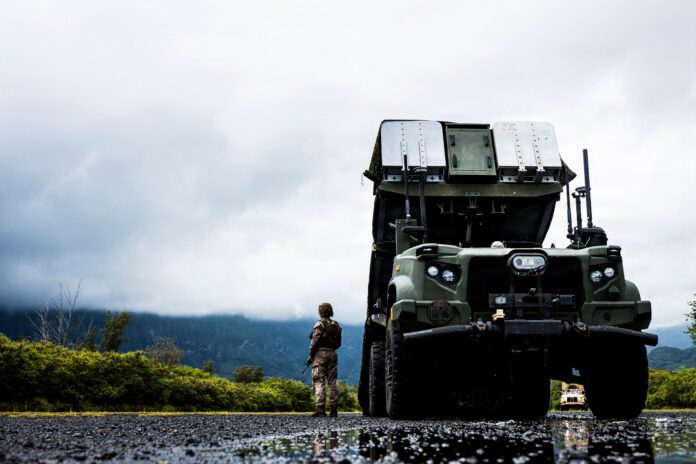
The United States is running low too. The Iran war consumed more than 800 Patriot PAC-3 MSE interceptors in its opening days alone, according to RFE/RL, drawing down a stockpile that had stood above 2,300 before the conflict to roughly 800 now. THAAD inventories are nearly halved. An American official told NBC News that Washington is “reluctant to further deplete its supply,” even as Kyiv sends plea after plea for resupply. The result is a gap no ally has been able to fill: Ukraine received only one-third as many interceptors in 2026 as it did in the same period of 2025.
President Volodymyr Zelensky has stopped speaking in euphemism about what is happening. “Our partners have the missiles,” he said on August 2. “What is needed are the necessary political decisions on deliveries.” Foreign Minister Andrii Sybiha, three days later: “Every interceptor counts. They are life-saving tools.” The diplomatic language has been stripped out of it because the missile counts already have.
Ukraine’s Air Force made a decision earlier this year to stop publishing daily tallies of how many missiles it intercepted versus how many came through. The numbers had grown too uncomfortable to disclose. What remains visible is the body count after each wave. The August 5 attack, which Ukraine air defense intercepted zero ballistic missiles to stop, killed 17 people.
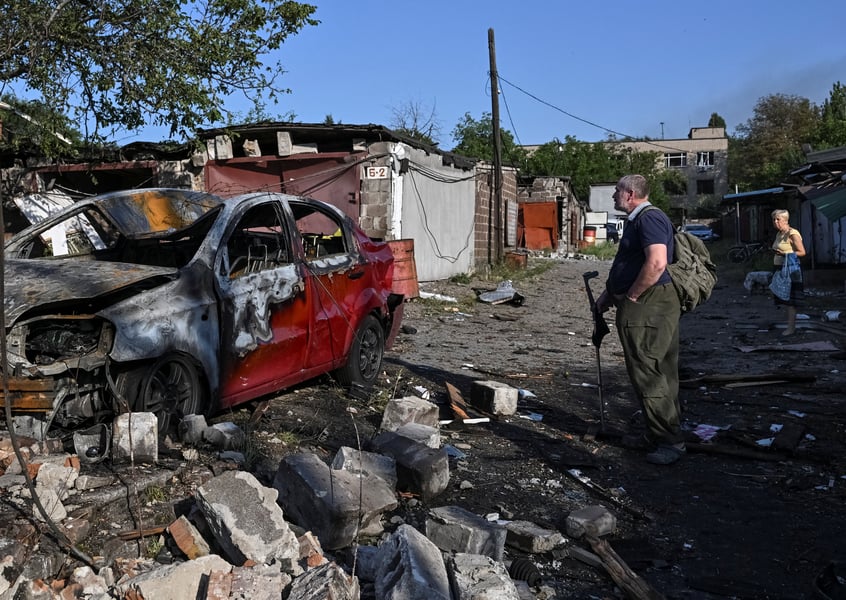
The arithmetic of the problem runs through Lockheed Martin’s factory floor. The company says it is on track to produce 2,000 PAC-3 MSE interceptors per year by 2030. That is a target for four years from now, in a factory expansion that has been running behind demand since before the Iran war began. Even at 2,000 per year, rebuilding the stockpile from 800 to something above pre-Iran war levels, while simultaneously replenishing what has been supplied to Ukraine and maintaining reserves for contingencies in South Korea and Taiwan, would take the better part of a decade at a pace the Pentagon has not publicly committed to.
Mark Cancian at the Center for Strategic and International Studies put it plainly: “Ukraine will not be able to expect many interceptors from the US for quite a while.” The constraint compounds because no NATO ally has domestic production capacity for PAC-3 MSE. Germany produces IRIS-T, the Netherlands operates NASAMS, and both have been contributing within their own inventories, but neither system shares interceptors with the Patriot batteries Ukraine operates.
President Donald Trump asserted on August 6 that the United States has “massive” amounts of munitions. The stockpile figures reported by RFE/RL and NBC News describe something different, and the gap between those accounts and the president’s characterization has not been resolved by any administration official. What Ukraine is experiencing on the receiving end is a 67 percent reduction in what it can actually get, regardless of what the total inventory is.
The interceptor shortage has changed how Russia fights. Moscow has shifted to saturation tactics, launching larger numbers of missiles in a single wave and mixing ballistic missiles, which are nearly impossible to intercept without Patriot and THAAD, with cheaper cruise missiles and drones. When Ukraine has to choose which threats to engage, ballistic missiles are the priority. The cruise missiles and drones that get through are destructive enough; the ballistic missiles that get through are catastrophic. On August 16, the targeting algorithm made its triage and Anastasiia Holubieva got shrapnel.
Ukraine is pressing the Trump administration on Ukraine-US peace negotiations that might, theoretically, reduce the frequency of Russian attacks without requiring more interceptors. That is a scenario too fragile and too dependent on Russian cooperation to function as air defense policy. The missiles will keep coming while the talks, if they happen, remain inconclusive.
How quickly Lockheed can accelerate production, whether Congress will fund an emergency interceptor purchase to bridge the gap, and whether the Iran war’s draw on American stockpiles will prove temporary or permanent: none of that is visible from Kyiv right now. What is visible is the one missile that was intercepted on Sunday night and the dozens that were not.