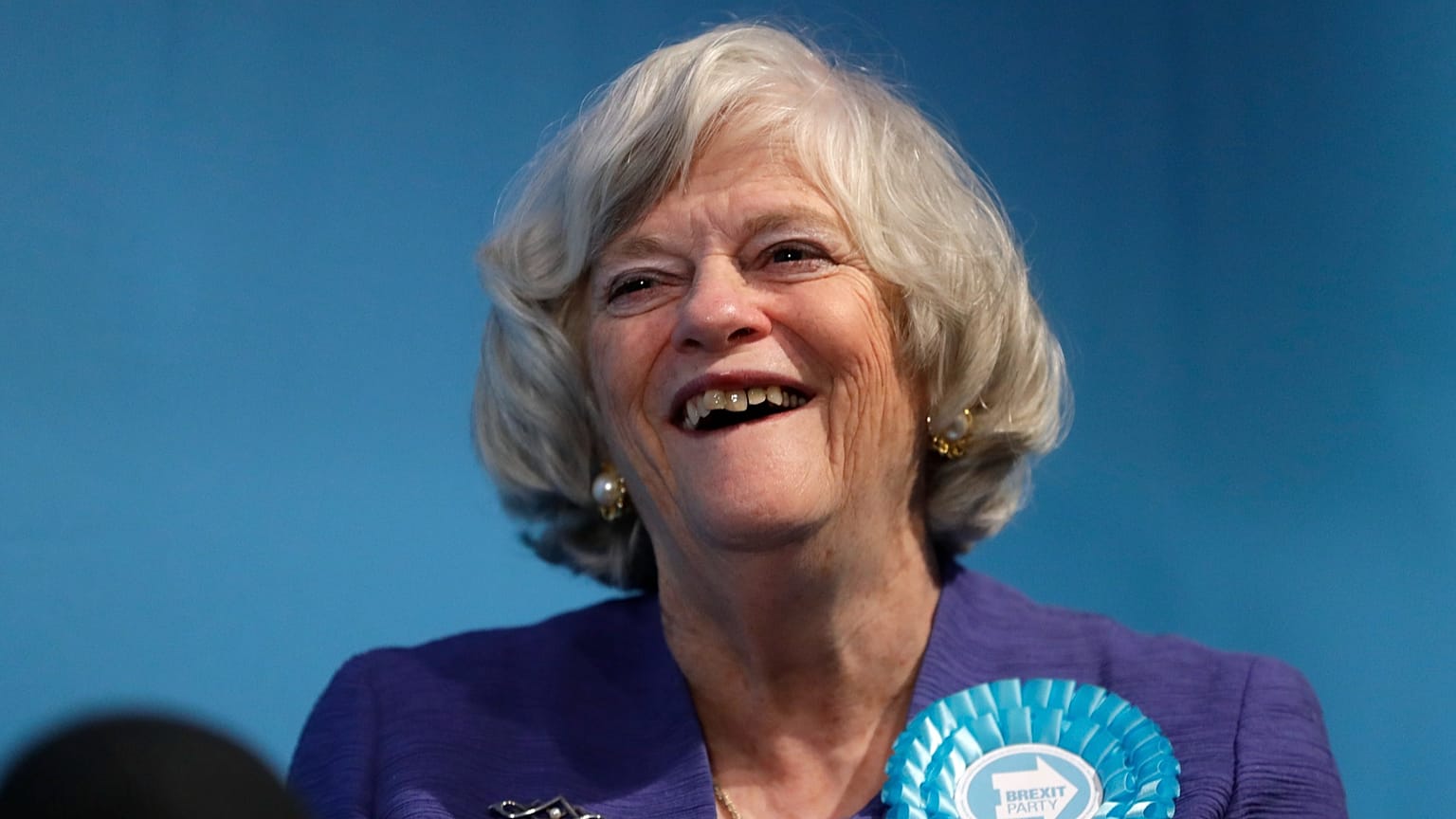

LONDON – Ann Widdecombe survived four decades in frontline British politics. She survived the Tory collapse of 1997, survived the ridicule that met her starring role on Strictly Come Dancing, survived the Brexit campaigns and the internecine wars within every right-wing movement she ever joined. She did not survive Thursday morning at her home in Haytor, a village on the edge of Dartmoor in Devon.
Devon and Cornwall Police announced on Friday that they had launched a murder investigation into the 78-year-old former Conservative MP’s death after officers discovered her body with serious injuries at the property. A 26-year-old white British male has been arrested on suspicion of murder. Police were clear about one thing in their early statement: they do not believe this was terrorism, and they have found nothing to suggest political motivation.
Widdecombe served in the House of Commons from 1987 to 2010, representing the seat of Maidstone and the Weald in Kent. She rose to junior ministerial status under John Major’s government, serving in the Home Office and Department of Employment, and became one of the most recognizable faces on the right of British conservatism – partly through a wit that translated well to television, and partly through a habit of holding positions on social issues that even colleagues sometimes found difficult to defend publicly.
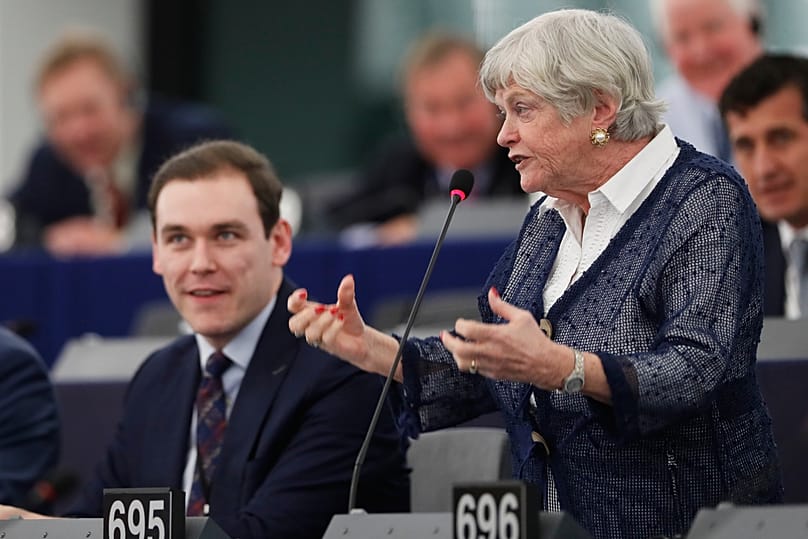
After leaving parliament, she became an unlikely television presence, appearing on Celebrity Big Brother and later Strictly Come Dancing. Her popular profile gave new life to her political voice. She joined Nigel Farage’s Brexit Party in 2019 and was elected as a Member of the European Parliament, serving in that role until Brexit took effect in 2020. Her most recent post was as immigration spokesperson for Reform UK, a role she held publicly until very recently.
Devon and Cornwall Police said their murder inquiry is moving at a significant pace and that they are deploying all necessary resources to establish the full circumstances of the death. A force spokesperson confirmed that the incident is not being treated as terrorism-related and that, as of Friday, there is no information to suggest any political dimension to the killing. The arrested man’s identity has not been made public.
Home Secretary Shabana Mahmood described the circumstances as extremely distressing. Former Prime Minister Boris Johnson said Widdecombe was a heroic Brexiteer and a great speaker who could move Tory audiences to such ecstasy that she was difficult to follow on the platform. The two reactions together capture the dual nature of her career: a figure who could be dismissed as a performer and yet who commanded genuine loyalty from a significant strand of British political opinion.
The killing comes as the political movement Widdecombe most recently represented is under its own legal pressure. British police opened a criminal probe into Reform UK’s donations and financing arrangements earlier this week, following Nigel Farage’s resignation from his parliamentary seat. Widdecombe had remained publicly active in the party’s policy work even after stepping back from elected office herself.
Haytor is a small settlement within the Dartmoor National Park, a rural area far removed from the Westminster circles where Widdecombe made her name. According to reporting by Euronews, the arrested man is a white British male and is not believed to have had any prior public-facing connection to the victim. The remote nature of the location adds an element to the investigation that no official source has yet been willing to characterize publicly.
As of Friday, Devon and Cornwall Police had not named the arrested man or disclosed how Widdecombe’s body came to be discovered at the property. Whether the killing was targeted, whether it was connected to any of her recent public activities, or whether it was a crime of opportunity in a rural area – none of those questions have been answered. The arrest means police have a suspect. It does not yet mean they have a motive.
Widdecombe was 78 years old and had been active in British politics in some form for more than four decades. The Devon and Cornwall Police investigation will now attempt to establish what happened inside that property on Thursday morning. What Britain’s political class is left with, in the meantime, is the strange and dissonant fact that one of its most enduring voices has been silenced in a circumstance that investigators describe as having nothing to do with politics at all.
Related Posts