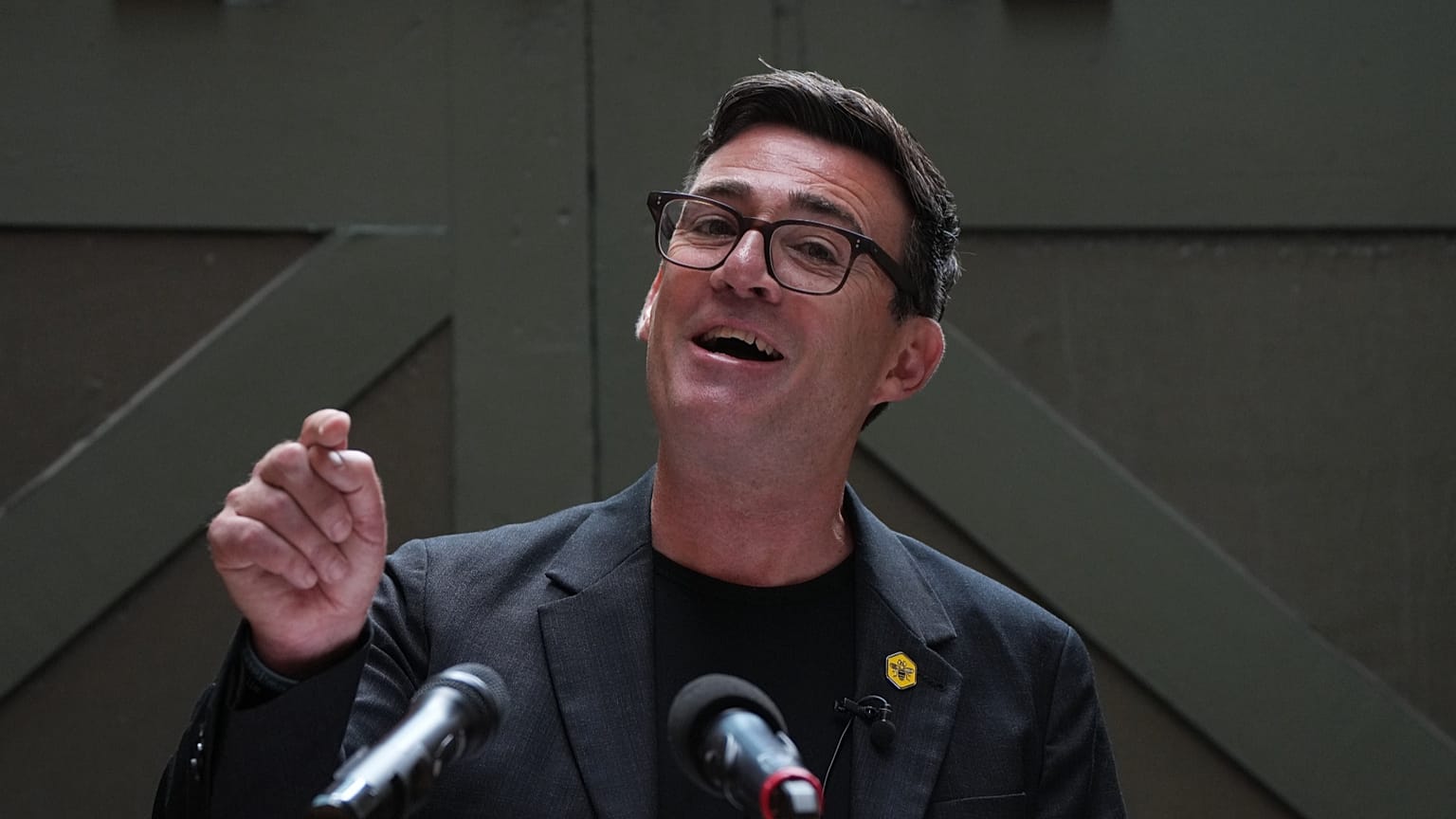

LONDON – Andy Burnham, the Greater Manchester mayor who spent nearly a decade dismissed as too provincial for the very top job, will become Britain’s seventh prime minister in ten years on July 20 after securing nominations from 322 of Labour’s 402 MPs – a parliamentary majority assembled so quickly that his only potential challenger stepped aside before the first formal tally was published.
The nominations, disclosed Thursday, leave Burnham within a single vote of the mathematical threshold that prevents any challenger from entering the race. His last potential rival, armed forces minister Al Carns, ruled himself out late Wednesday, saying that “months of internal Labour politics isn’t what the country needs.” Euronews reported that with nominations closing July 16 and a special Labour conference scheduled for July 17, Burnham will be installed as party leader and invited by the King to form a government on July 20, completing a succession that began with Keir Starmer’s resignation on June 22.
The speed and completeness of the settlement reflects Burnham’s particular position within Labour. Opinion surveys consistently show him as the party’s most popular figure with the public. He carries no significant factional debt within Westminster, having spent seven years governing Greater Manchester rather than manoeuvring through the parliamentary party. His three consecutive mayoral victories earned him the nickname “King of the North” in a political media that had written him off after two failed Labour leadership bids in the years before he moved to the mayoralty.
Starmer, whose resignation triggered the succession, leaves a government that converted its 2024 general election landslide into institutional control but struggled to sustain public approval. The party’s decision to confine the first ballot to MPs – bypassing the full membership process – signals a preference for rapid settlement over extended internal deliberation. The constitutional convention that allows the leader of the party commanding a parliamentary majority to enter Downing Street without a general election means Burnham will become prime minister without facing voters in that capacity.
Burnham’s domestic agenda has been anchored to fiscal discipline and devolution. He has committed to current government borrowing limits, framing himself as continuous on economic management while promising structural change on regional governance. His signature proposal – which he calls “No. 10 North” – is described as a coordinating mechanism for greater regional autonomy, though its specific policy content, legislative vehicle, and resource implications have not been publicly specified. Whether it represents a genuine transfer of power to English cities outside London or a rebranding of existing devolution machinery is a question officials in Manchester, Leeds, and Sheffield are already asking privately.
His foreign policy signalling has attracted sustained attention. In remarks to the Guardian, Burnham said Britain’s response to the conflict in Gaza has “too often not been good enough” – language that marks a clear departure from Starmer’s careful silence on the subject. The comment stops short of specifying concrete policy changes: no stated arms embargo, no declaration on Palestinian statehood, no timeline for an ambassador recall. But the framing itself is a shift that Britain’s partners in Washington and Tel Aviv will have noted, and one that his own Gaza-sceptical MPs will expect to be followed eventually by something more substantive.
Britain’s trade relationship with India enters the Burnham era at an active moment. The India-UK free trade agreement’s vehicle tariff notification published Thursday takes effect July 15, five days before Burnham takes office, leaving him with an immediate set of decisions about bilateral trade implementation priorities. His Greater Manchester mayoralty gave him direct industry relationships that few incoming prime ministers have cultivated, and his approach to the India partnership will be an early signal of whether his version of post-Brexit economic engagement differs in practice from his predecessor’s.
Cabinet composition has not been announced. Senior Starmer-era Cabinet members, including several who were previously sceptical of Burnham’s leadership prospects, have signalled willingness to serve under him. The speed of his transition has compressed the available time for Cabinet-building, and his team has been working through potential appointments since the nomination count made his succession mathematically certain earlier in the week.
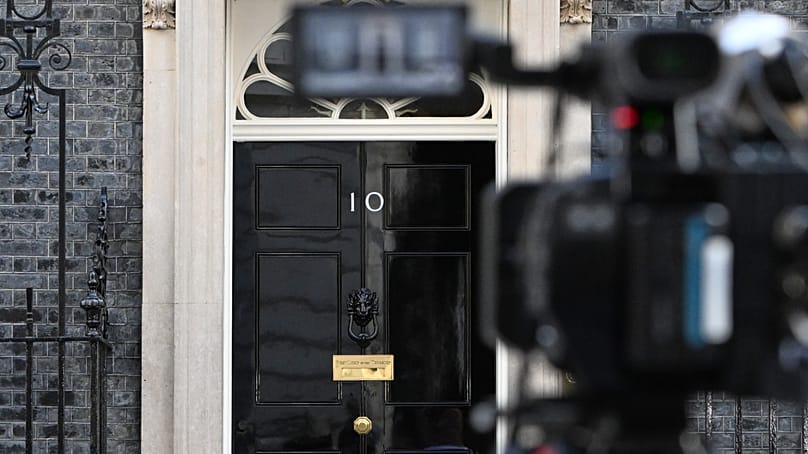
The 56-year-old Burnham arrives at 10 Downing Street carrying the weight of a particular British political narrative: that the governing class has been cycling through the office without stabilising the country’s politics since 2016, when the Brexit referendum removed David Cameron and set in motion the sequence that has produced six prime ministers before him. He will be the seventh. His advantage over predecessors is a popular mandate from a city-region he transformed and a party that chose him by near-consensus. His challenge is converting those assets into something a British public that has watched six versions of this transition already is willing to treat as something new.