
NEW DELHI – India’s trade regulator published import notification rules for UK-origin vehicles under the bilateral free trade agreement on Thursday, setting qualification criteria that take effect July 15 and opening a reduced-tariff channel that will primarily benefit Jaguar Land Rover, the British marque owned by Tata Motors (NSE: TATAMOTORS).
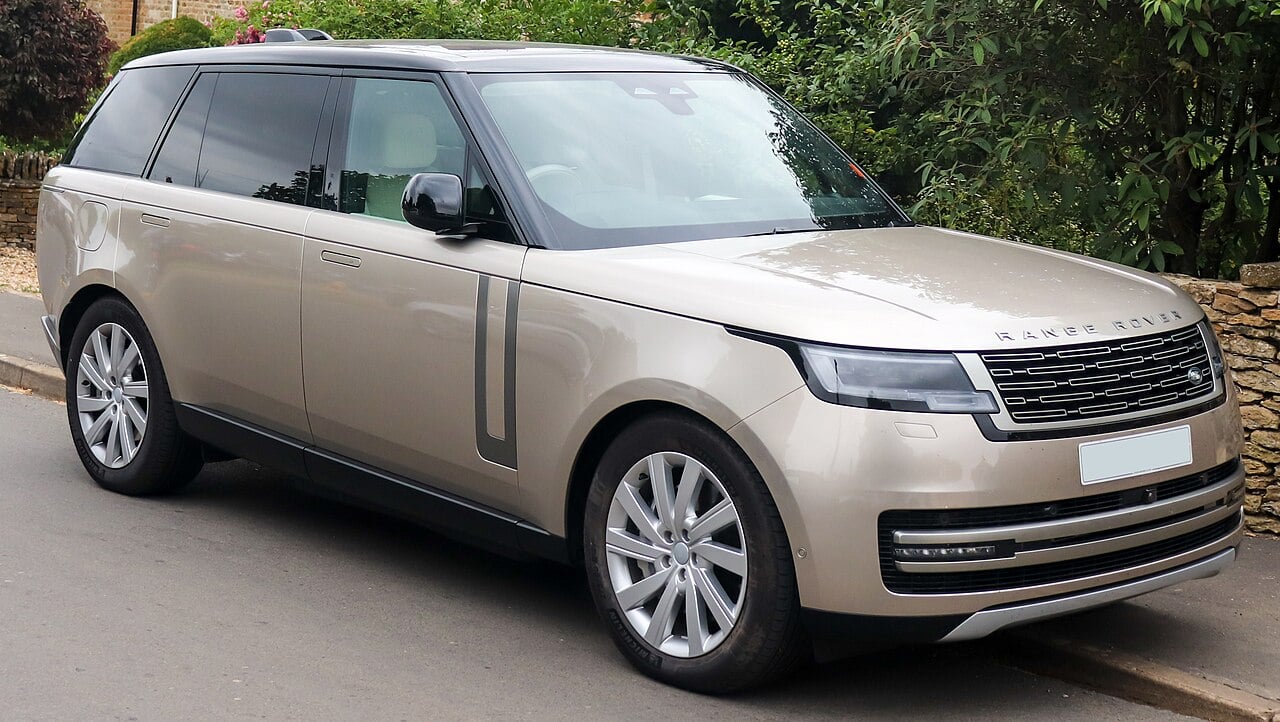
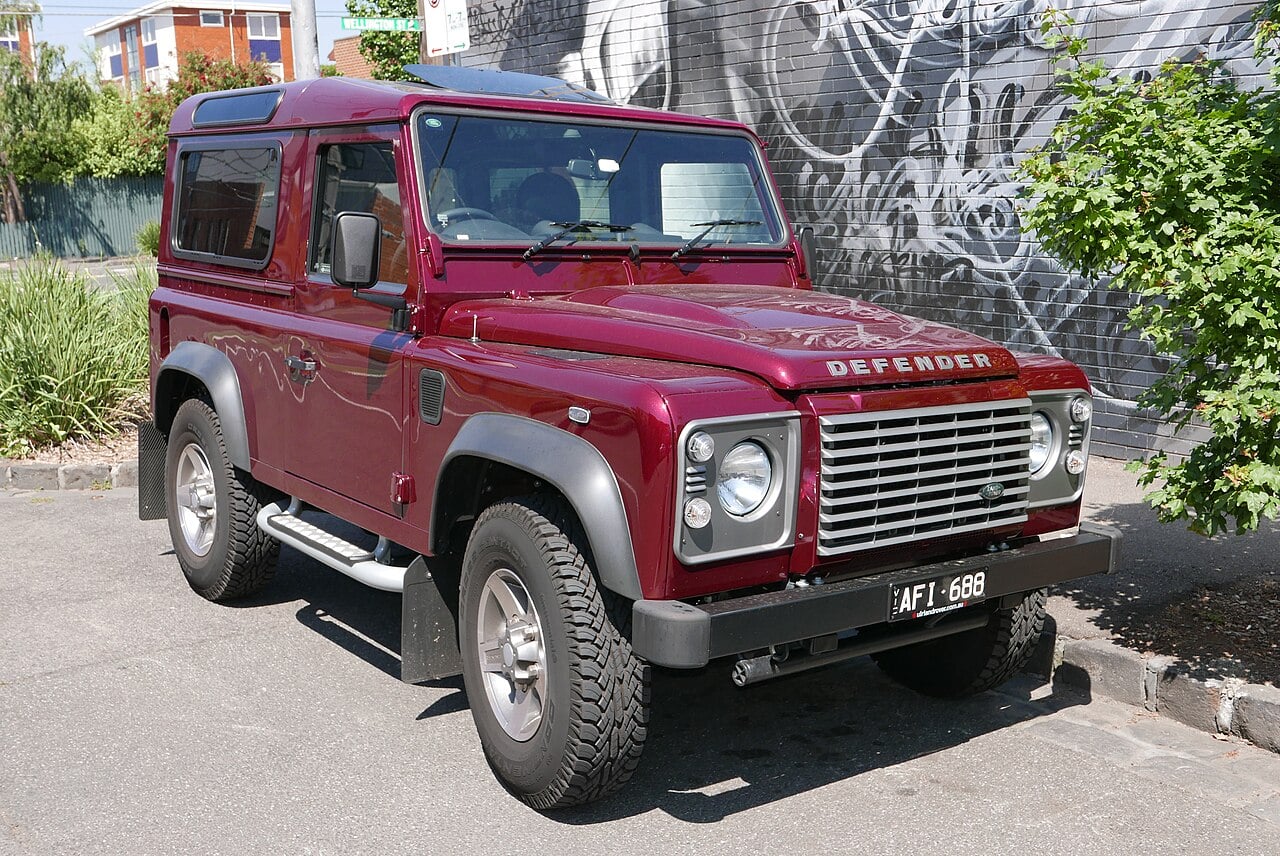
JLR manufactures the Range Rover, Land Rover Defender, and Jaguar model lines at UK plants in Solihull, Warwickshire, and Castle Bromwich in Birmingham. Tata Motors acquired the marques from Ford Motor in 2008 for $2.3 billion and has since grown them into the highest-margin segment of its global operations. A favourable tariff position in India gives the Tata group a structural advantage: a British-origin premium brand that now reaches Indian buyers at a lower landed cost than equivalent European or American alternatives subject to India’s standard import levies.
India’s completely built-up vehicle import duty has historically been approximately 100 percent of the customs value – a rate that has prevented most foreign car manufacturers from selling imported vehicles in India at commercially viable price points. That levy pushed global brands to choose between local assembly, which requires capital commitment and minimum volume thresholds, or accepting minimal sales through the small premium-import segment. The India-UK Free Trade Agreement reduces those duties for qualifying UK-origin vehicles, with the notification specifying the documentary and content criteria that importers must satisfy to claim the preferential rate.
Vehicles must demonstrate sufficient UK-origin content as a proportion of their ex-works price to qualify. The threshold is designed to ensure that vehicles assembled at UK sites primarily from third-country components do not receive tariff access intended for genuinely British-manufactured products. JLR’s core production models – the Range Rover, Defender, and Discovery lines built at Solihull – are expected to meet the content requirement. The Jaguar F-Pace and E-Pace, also assembled at Solihull, are in a similar position.
India’s premium vehicle segment is compact by absolute measure but has expanded over the past four years, driven by rising wealth concentration in metropolitan markets and a buyer cohort willing to pay premium prices for European marques. JLR currently distributes vehicles in India through an authorised importer network at retail prices that reflect both the standard customs duty and low-volume import logistics costs. A meaningful tariff reduction would create immediate pricing room, though JLR has not stated publicly how it intends to allocate that room between lower retail prices and improved margin.
The notification’s effective date compresses the implementation window for importers. July 15 falls five days after Thursday’s publication, leaving limited time for vehicle allocations from UK factories to be secured, freight and customs documentation prepared, and eligibility claims filed. Indian customs will require documentary proof of UK origin for each shipment claiming the preferential tariff, including manufacturer certificates specifying the proportion of UK-origin components in the vehicle’s build.
Other British-origin marques are positioned to follow JLR’s lead. Rolls-Royce Motor Cars – whose Phantom and Cullinan models are manufactured at its Goodwood facility in West Sussex – and McLaren Automotive, based in Woking, could in principle qualify for the reduced rate. Both are owned by non-British parent companies: Rolls-Royce by BMW Group, McLaren by a Bahrain-based investment consortium. Whether vehicles manufactured in the UK by non-British parent companies qualify under the bilateral agreement’s country-of-origin provisions is a question the notification does not definitively resolve, and one that customs lawyers on both sides of the channel are already examining.
Indian automobile industry associations had tracked the vehicle tariff clause during the FTA’s negotiation with concern. Domestic manufacturers including Maruti Suzuki India, Hyundai Motor India, Tata Motors’ own domestic brands, and Mahindra sell primarily in segments well below the price points at which UK premium imports compete. Their concern was less about direct volume competition than about negotiating precedent: a tariff concession on British vehicles creates a template that trading partners in ongoing FTA negotiations with India have noted.
JLR’s pricing strategy in India has historically been defensive – maintaining retail prices that absorb significant customs costs while preserving margins, rather than attempting price-based volume growth. A material duty reduction creates a genuine decision: pass savings to buyers and attempt volume growth, or hold retail prices and capture improved margin in a segment where demand is largely insensitive to incremental price changes within the luxury tier. No pricing announcement from JLR is expected before July 15.
What Thursday’s notification establishes formally is what the trade agreement promised in principle: that the India-UK FTA produces a concrete change in how British vehicles enter India, not merely how they are discussed in diplomatic communiqués. Whether the volume response that follows proves material – measured against the scale of India’s domestic market, where fuel-efficient compact cars account for the majority of units sold – is a question the first trading cycle under the new rate will begin to answer.