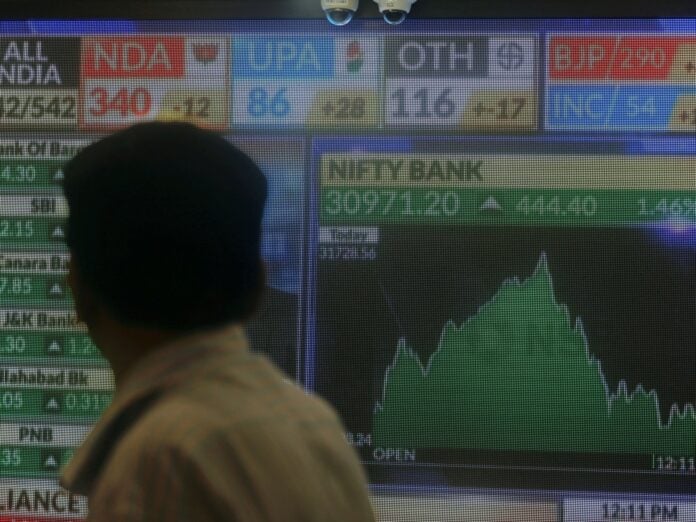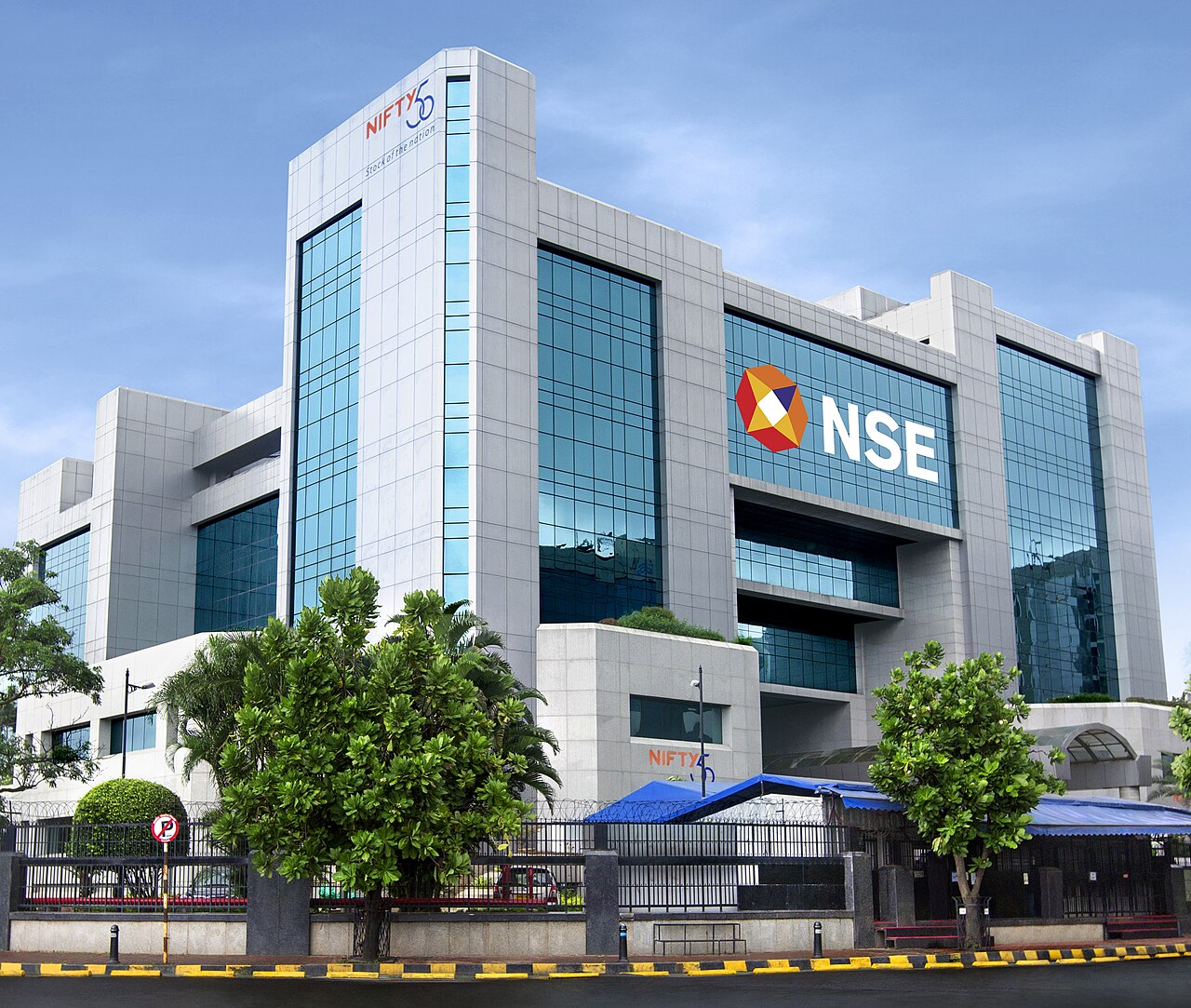

MUMBAI – For more than a decade, ownership of the exchange that processes more contracts than any other marketplace on earth was simply unavailable to outside investors. That changes in September. India’s National Stock Exchange plans to begin pitching its initial public offering to thirty global institutional investors on July 17, sources familiar with the matter told Reuters, opening a roadshow that targets raising approximately 30,000 crore rupees, equivalent to $3.6 billion, before a planned stock market debut in the autumn.
The NSE offering, if completed at that scale, would rank as one of the largest equity raises by an Indian company in recent years and among the most significant global capital market debuts in nearly a decade. What the exchange’s bankers are presenting to prospective investors is a specific proposition: that India’s equity market is no longer a frontier story but a structural one, and that the infrastructure at its centre has never been available to own.
The macro context underpinning that pitch is measurable. India’s equity investor base expanded from approximately 20 million registered demat accounts in 2019 to more than 185 million by mid-2026, according to data from the Securities and Exchange Board of India. NSE processed 13 billion contracts in fiscal year 2026, a record that reflects accelerating retail participation in equity derivatives. No other exchange anywhere in the world settles that volume. Its Nifty index family serves as the benchmark for the majority of domestic mutual funds and exchange-traded products, giving NSE a structural centrality in India’s financial system that extends well beyond transaction fees.
NSE controls approximately 93 percent of equity derivatives trading in India by notional value. Its fiscal 2026 revenue reached approximately 14,000 crore rupees, generating margins that investment banks have compared to CME Group and the Intercontinental Exchange at similar stages of development. The valuation range being discussed with institutional investors falls between 1.8 and 2.2 trillion rupees, which would place NSE among the ten most valuable exchange operators on earth – a peer group that includes the London Stock Exchange Group, Deutsche Boerse, and Hong Kong Exchanges and Clearing.
The path to July 17 has not been clean. NSE applied for a public listing in 2016, received preliminary SEBI approval, and watched that process stall when co-location allegations surfaced: the accusation that select high-frequency trading firms had received privileged access to exchange systems through secondary server architecture, allowing them to see price data ahead of other market participants. SEBI opened a formal investigation, which overlapped with revelations that NSE’s then-chief executive had shared confidential exchange documents with an unnamed spiritual adviser whose identity was never publicly established. The co-location probe and the governance episode together produced the longest halt to an exchange IPO in Indian capital markets history.
NSE settled the co-location matter with SEBI in 2023, paying a financial penalty and implementing structural governance changes without admitting liability. Ashishkumar Chauhan, who had led BSE through its own listing in 2017, was brought in as managing director. SEBI cleared NSE to re-file its draft prospectus in 2024. The exchange updated its filings in 2025 to incorporate post-settlement disclosures and recent financials. The roadshow starting July 17 represents the final preparatory step before what market participants expect will be a formal offer period in August and a trading debut in September.
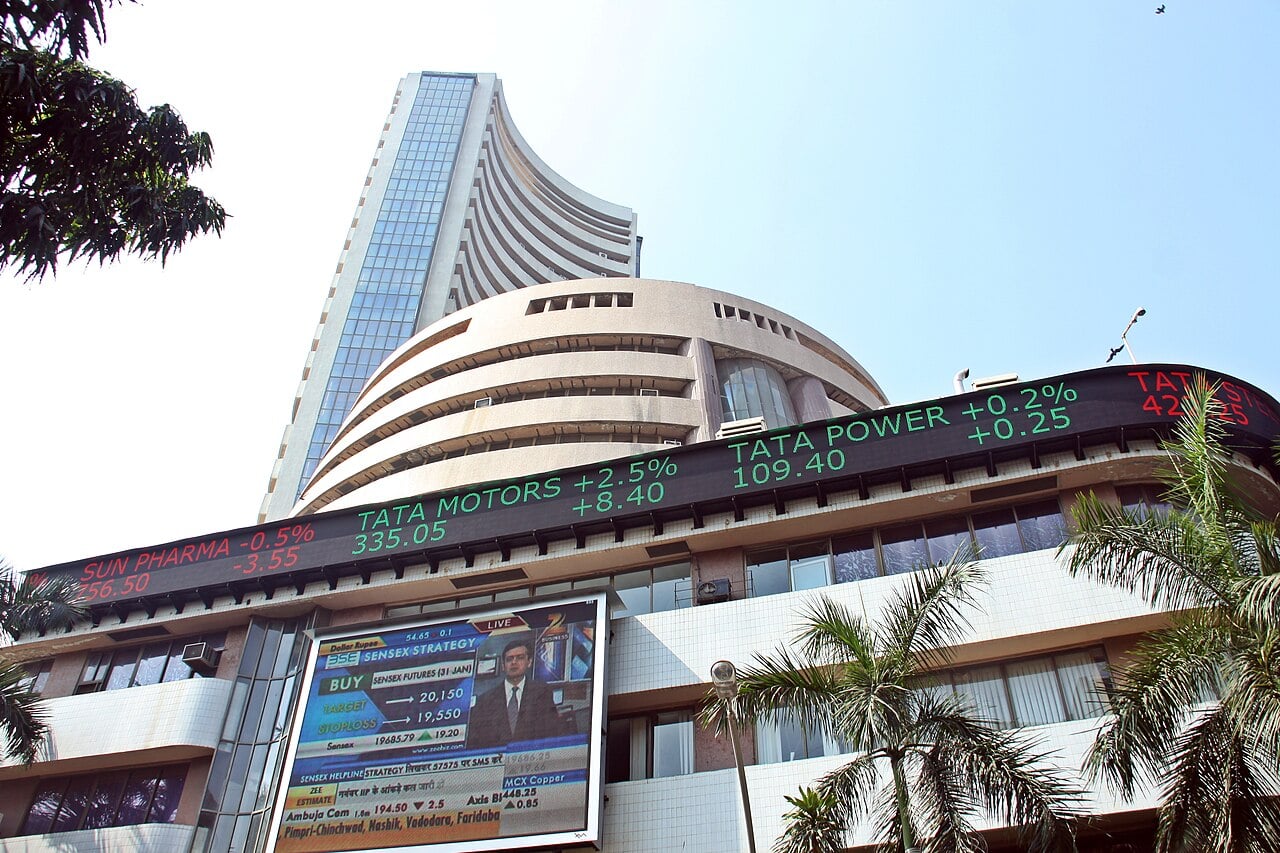
The comparison that will recur in pitch materials is to BSE. India’s older exchange listed on NSE in 2017 at a market capitalisation of approximately 1,500 crore rupees and trades today at roughly 24,000 crore rupees, a sixteen-fold increase over nine years. NSE’s bankers will use that trajectory as evidence that the valuation being asked for the larger exchange is sustainable, while acknowledging a structural difference: BSE’s IPO was executed without any recent enforcement proceedings; NSE’s will come two years after a settled SEBI action.
The thirty investors targeted for July 17 have not been publicly named. Sources described the initial round as targeting long-only global funds with established emerging-market mandates alongside a small number of sovereign wealth investors. Domestic institutions, including insurance companies and Indian mutual funds, are expected to receive separate approaches closer to the formal offer. The sequencing reflects a deliberate strategy: international buyers price the exchange as a capital markets infrastructure asset, while domestic institutions tend to value it against BSE’s earnings multiple, producing different anchor price points that NSE’s bankers will need to reconcile before setting the final offer range.
The largest risk that investors must price is regulatory. SEBI tightened equity derivatives rules in 2025, raising minimum lot sizes and restricting the weekly options expiries that had proliferated across contracts, after internal SEBI research found that a majority of retail options traders were reporting net losses. Monthly contract volumes fell immediately after those measures took effect before recovering to record levels by early 2026. Whether the regulator will introduce further restrictions on the derivatives products that generate the majority of NSE’s revenue is the central unknown for any investor buying in at a twenty-times-earnings multiple.
What the listing would confirm is something India’s financial system has been signalling for some time: the capital markets infrastructure has become large enough to be treated as an investable asset in its own right. The NSE roadshow begins on July 17 with thirty rooms and a simple question at the centre of each: is the price being asked for the world’s busiest exchange proportionate to the story being sold? The September debut will provide the first external answer.