
RIYADH – Saudi Arabia’s economy contracted 4.8 percent in the second quarter of 2026, its steepest annual decline since the COVID-19 pandemic, as the near-shutdown of shipping through the Strait of Hormuz severed the kingdom’s crude export arteries and exposed the limits of a decade-long push to build a post-oil economy.
The General Authority for Statistics released flash estimates Wednesday showing gross domestic product fell 4.9 percent on a seasonally adjusted basis from the first quarter. The same indicator had expanded 3 percent year-on-year only three months earlier.
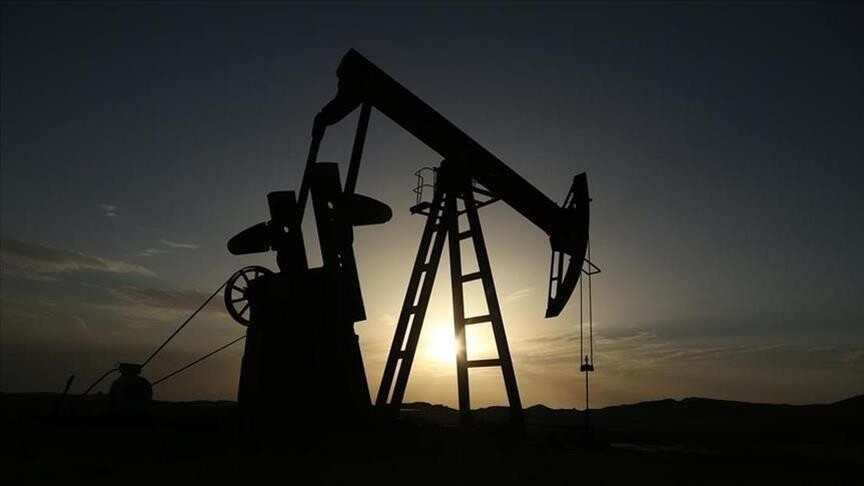
The oil sector bore virtually the entire weight of the disruption. Petroleum and natural gas activities contracted 24.7 percent from a year earlier, subtracting 5.4 percentage points from headline growth alone. Saudi Aramco (2222.SE) moved some spot cargoes through longer Red Sea corridors and shifted volumes into floating storage, but the scale of the Hormuz closure proved impossible to offset through alternative logistics.
Non-oil activity expanded just 0.6 percent annually, while government activities rose 0.9 percent, providing minimal cushion. On a quarterly basis, even non-oil output slipped 0.5 percent from the first quarter, as tourism bookings softened and private investment retreated behind the uncertainty of an ongoing regional conflict.
The International Monetary Fund attributed the contraction directly to the Hormuz crisis, noting that “war in the Middle East and the near halt in shipping through the Strait of Hormuz disrupted Saudi trade and oil exports.” The fund has revised its 2026 Saudi growth forecast to 1.7 percent while projecting a rebound to 5.5 percent in 2027, contingent on the shipping lane reopening.
The disruption arrived as OPEC+ had already pushed through a fifth consecutive production increase earlier this year. That decision carries a different meaning when barrels brought to market cannot reliably reach buyers. Saudi Arabia’s traditional role as swing producer now runs through a chokepoint it does not control, limiting the practical effect of any production decision it makes.
Before the Q2 data period, Saudi Aramco had been diverting a portion of its spot crude volumes to routes that bypass Hormuz. The cost of that diversion compounded quickly. Shipping insurance premiums for tankers transiting Hormuz-adjacent waters surged to historic levels, pricing smaller buyers out of the market and forcing spot volumes into thinner tranches at squeezed margins. Realized revenue per barrel fell even on cargoes that eventually arrived.
Saudi Arabia’s budget was built on an oil price assumption of around $96 per barrel according to IMF estimates. The realized price environment for accessible Gulf crude under Hormuz stress ran below that level for most of 2026, creating a structural fiscal gap the kingdom has been bridging through reserve drawdowns.
Vision 2030 produced the answer it was designed for, if a modest one. Tourism, logistics, and financial services held positive annual territory in Q2, and non-oil GDP’s 0.6 percent growth is not zero. But that figure cannot absorb a 24.7 percent oil-sector contraction, and the quarterly non-oil slip signals that services are not insulated from the conflict’s second-order effects on consumer and business confidence.
Prince Abdulaziz bin Salman, the Saudi energy minister, framed the kingdom’s posture in a statement last month as disciplined patience, projecting confidence in an eventual return to full export capacity without offering a timeline. The Q2 data make that patience more costly in fiscal terms.
The flash estimate covers April through June; the Hormuz situation had not materially resolved as of Wednesday’s data release. A third consecutive quarter of elevated disruption would put the IMF’s 1.7 percent full-year figure under pressure and risk delaying Vision 2030 construction milestones that depend on sustained government capital spending.
What the data do not reveal is how much crude Aramco is storing versus selling at distressed prices versus simply not producing at full capacity. Official production figures carry the usual lag, and OPEC+ compliance data for the kingdom have not been published at the granularity that would allow a precise accounting of Q2 output decisions.
Saudi Arabia’s broader fiscal position remains strong. The Public Investment Fund holds roughly $700 billion in assets, providing a cushion against multiple quarters of oil-revenue shortfall without triggering sovereign stress. The question is not solvency but trajectory: whether the 2027 rebound materializes fast enough to keep Vision 2030 flagship projects on schedule and employment levels for the kingdom’s growing domestic workforce intact.
The Q2 2026 GDP print does not lend itself to reassuring interpretation. A 4.8 percent annual contraction driven by a 24.7 percent oil-sector crash is the measurable cost of a conflict the kingdom did not start, absorbed by an economy that by most indicators was running well before the Hormuz shutdown began.