
DUBAI – The Gulf states spent five months unable to control the most basic variable in their commercial equation: how many barrels of oil could actually move out of the Persian Gulf. Saudi Arabia could set a quota; the Strait of Hormuz determined what reached the market. On Sunday, seven members of the alliance put another small piece of the old order back in place.
Saudi Arabia, Russia, Iraq, Kuwait, Kazakhstan, Algeria, and Oman agreed to raise combined output by 188,000 barrels per day starting in August, the fifth consecutive monthly production increase the alliance has announced since Iran and the United States reached a ceasefire framework in June. Under the new allocation, Saudi Arabia and Russia will each add 62,000 barrels per day; Iraq takes 26,000; Kuwait 16,000; with Kazakhstan, Algeria, and Oman dividing the remaining increment. Their next meeting is scheduled for August 2.
The decision will have limited effect on actual oil supply this month.
OPEC+ production fell from 42.77 million barrels per day in February, the month the Hormuz closure began, to 33.13 million in May. Five consecutive monthly increases of 188,000 barrels would require most of a year to recover a fraction of that drop, even if every quota barrel reached the water. The point, as both members and analysts understand, is not the number. It is the posture the number establishes: OPEC+ is back in the business of managing a market, not merely surviving one.
That reading is widely shared. Fabien Yip, a market analyst at IG in Sydney, described the latest announcement as “largely a paper formality.” Neil Crosby at Sparta Commodities in Singapore noted that actual barrels “have been constrained for months by the Strait of Hormuz blockade, falling well short of the quota.” Al Jazeera reported that September Brent futures settled at $72 on Monday morning, the same price recorded on February 27, 2026, the last full trading session before the Hormuz closure began.
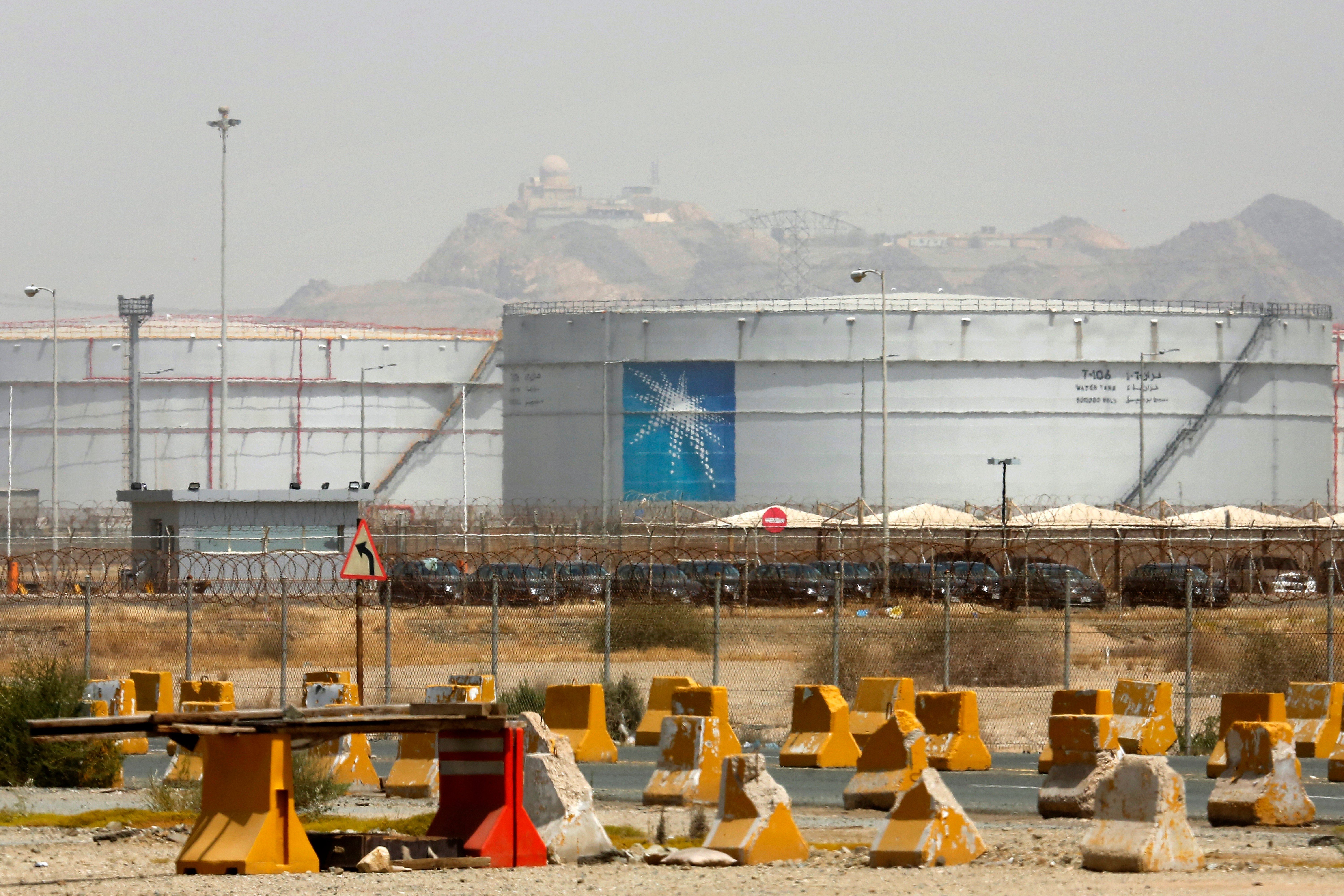
Saudi Arabia did not wait for the announcement to begin recapturing lost ground. Saudi Aramco moved approximately 6 million barrels on spot terms to buyers in South Korea, Japan, and China last week, a departure from the state oil company’s long-term contract model driven by months of stranded volumes and compressed revenue. Four supertankers carrying roughly 8 million barrels cleared the Strait of Hormuz on a single day, the highest Saudi crude export rate from the Persian Gulf since the conflict began. Riyadh is moving while the transit window holds.
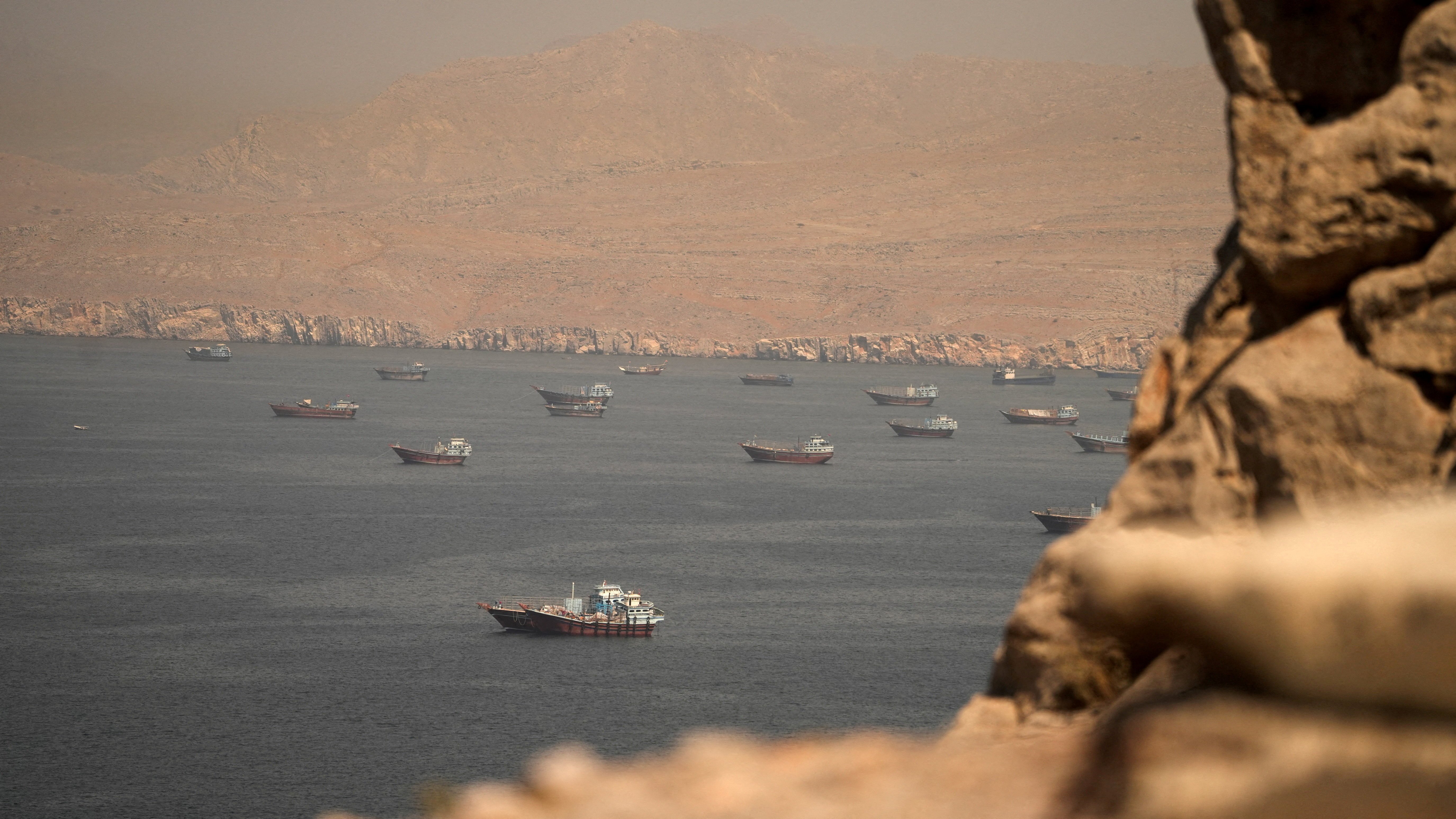
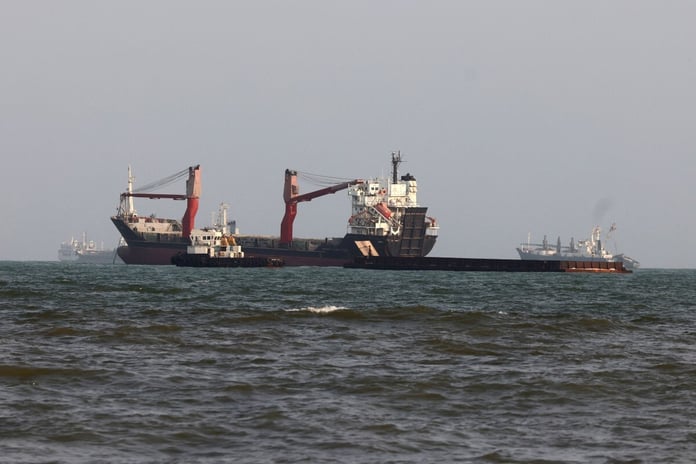
The question is how long that window stays reliable. Before the Iran conflict, the Strait of Hormuz handled roughly 130 vessel crossings per day, carrying approximately 20 percent of the world’s seaborne oil supply. The National reported that Reuters tracking confirmed 38 crossings on July 2, with 48 the day before. US naval escorts have been threading supertankers through a waterway that has not been formally demined, but the pace of recovery is uneven.
The diplomatic architecture underneath the opening carries its own uncertainty. Nagham Hassan, an analyst at eToro, said the June 17 memorandum of understanding between Washington and Tehran, including the US sanctions waiver allowing Iran to resume selling oil in dollars, had “led markets to price out the risk of a prolonged disruption in the Strait of Hormuz.” But the MOU is a framework, not a treaty. The ceasefire has held for three weeks. Whether it survives September’s follow-on negotiations, and whether Iran’s new supreme leader Mojtaba Khamenei, who took over following his father’s death, can consolidate enough domestic authority to hold the ceasefire’s terms, remain open questions that no production schedule resolves.
The demand picture has adjusted around that uncertainty. OPEC trimmed its 2026 oil demand growth forecast to 970,000 barrels per day, down from 1.17 million before the conflict, as elevated wartime prices suppressed consumption across price-sensitive Asian markets. The US Energy Information Administration cut its own projection by approximately one million barrels per day over the same period. That demand does not snap back simply because the strait has partially reopened; the market has restructured around the disruption rather than waiting for it to end.
OECD oil stocks fell to their lowest level since January 2003 during the blockade, a floor under prices that Goldman Sachs described in March as the residue of the largest supply shock in global crude market history. The bank argued that the geopolitical risk premium embedded in oil forwards would not vanish with the strait’s physical reopening, that the structural repricing of Middle East supply risk is a slower process than any single ceasefire announcement can resolve. The $72 Brent price is consistent with that reading: a return to the pre-war number, not a declaration that the risk which drove prices to $126 has gone.
The next substantive OPEC+ decision point is the November ministerial. The June 7 meeting had already locked production quotas through December and launched a capacity assessment that will redistribute output rights for 2027, a process that will produce winners and losers measured in hundreds of thousands of barrels per day. By November, the Hormuz transit rate will either have recovered toward its 130-vessel daily baseline or confirmed that normalisation is slower than the June ceasefire implied. The monthly increments between now and then are data points, not decisions.
The seven members agreed on Sunday. The next meeting is August 2. Thirty-eight vessels crossed on Wednesday.
Related Posts