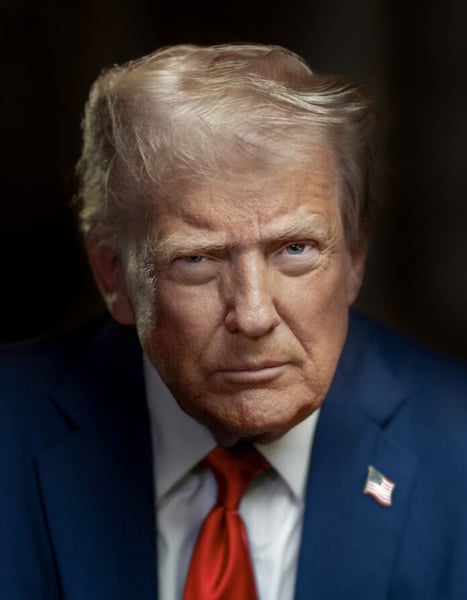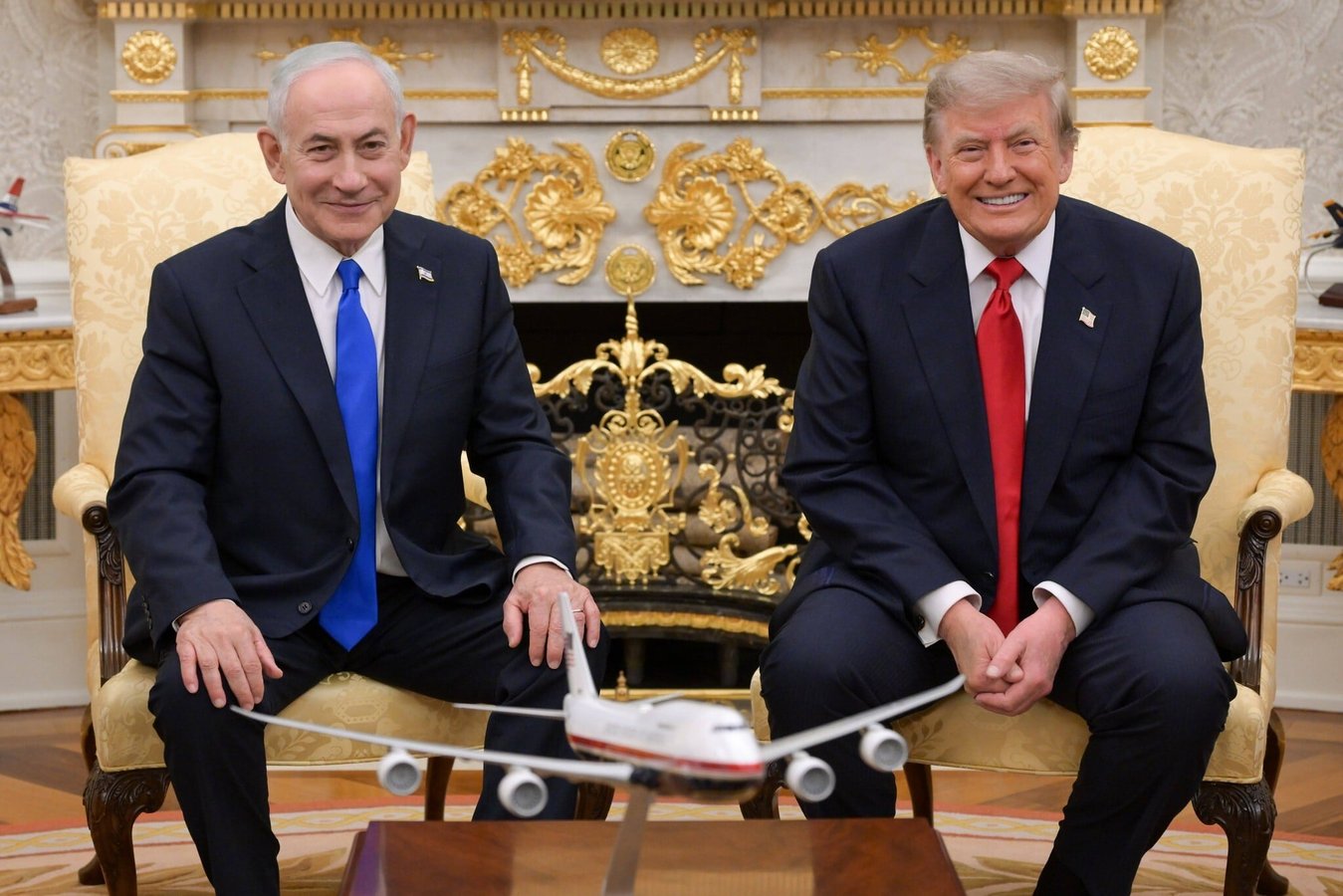

WASHINGTON – They sat across from each other in the Oval Office on Tuesday for the first time since their war against Iran began in February, and both men were careful about what they said aloud. Benjamin Netanyahu called them “great friends” who “always find a way to work things out.” Donald Trump acknowledged “a little difference, but pretty close.” Neither specified what the difference was.
The meeting was their eighth of Trump’s second term and the first since a joint American-Israeli bombing campaign against Iran, launched in late February, transformed the region’s security landscape. In the months between, the two governments disagreed about Lebanon’s peace framework, about F-35 jet sales to Turkey, about the pace of Hormuz diplomacy, and, in at least one heated phone call about Lebanon, about each other’s judgment. Trump reportedly used profanity to describe Netanyahu during that exchange. Netanyahu did not respond publicly.
Tuesday’s White House session gave both leaders a chance to reset the terms of the relationship without resolving the underlying tensions. The stated agenda covered three areas: the Iran war’s trajectory, the Lebanon peace framework under American mediation, and the expansion of the Abraham Accords, according to Arab News. Present on the U.S. side were Vice President JD Vance, Secretary of State Marco Rubio, CIA Director John Ratcliffe, and special envoy Steve Witkoff.
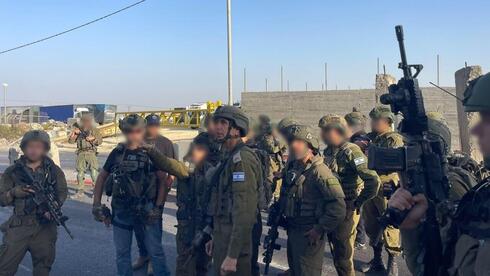
The Iran file dominated. The United States has been striking Iranian military targets nearly every night since February, and the campaign’s tempo shifted last week as munitions stockpile concerns emerged inside the Pentagon. Trump held back a planned new escalation after Joint Chiefs Chairman Gen. Dan Caine privately warned that sustained bombing was draining American interceptor reserves faster than contractors could replace them. That pause produced the first real movement in Oman-led Hormuz diplomacy, and oil dropped seven percent on ceasefire speculation.
Netanyahu, in public remarks before the meeting, positioned Israel as ready for a harder phase regardless. “Our response, Israel’s response, will be very, very forceful,” he said, without specifying what would trigger it. The statement was widely read in Jerusalem and Washington as Israel’s signal of discomfort with a Hormuz diplomatic settlement that leaves Iran’s nuclear program intact, which is the most likely framework any near-term agreement would produce.

The two governments also discussed Pickaxe Mountain, Iran’s deep-mountain uranium enrichment complex that American intelligence assessed as still operational during the bombing campaign. Its continued function is both a military failure and a political problem for Netanyahu, whose stated casus belli was preventing Iranian nuclear capability. His domestic opponents have begun arguing that the campaign’s strategic goals remain unachieved even as the human and financial costs accumulate.
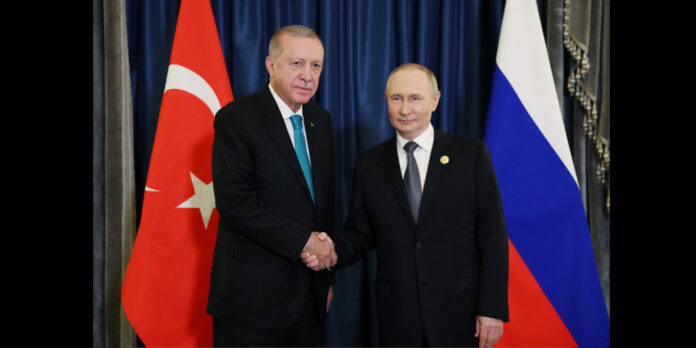
Turkey produced what appears to have been the session’s sharpest friction. Trump is discussing selling F-35 fighter jets to Ankara, a NATO ally that has blocked Israeli aircraft overflight rights and complicated the campaign’s logistics from the start. Asked directly whether Israel’s objections would influence his arms decisions, Trump told reporters: “Nobody tells me what we should be selling and not.” Netanyahu said nothing at the joint press appearance. Trump had previously declared Netanyahu “knows who the boss is” on decisions of this kind.
Both Netanyahu and Ukrainian President Volodymyr Zelenskyy traveled to Washington for the same day of summitry, The National reported. Zelenskyy met Trump separately, and both foreign leaders attended the National Cathedral funeral service for Senator Lindsey Graham, who died July 11 of an aortic dissection at 71. Their joint presence at Graham’s funeral, two leaders of countries in active armed conflict that depend on American military support, offered a peculiar symmetry to a Washington day otherwise defined by war diplomacy.
The $67 billion supplemental defense funding request from the Pentagon sat in the background of the Iran discussions. Netanyahu’s government needs Washington to sustain its munitions supply; the American side needs congressional approval that is not yet certain. The two requirements create an interdependence that gives Netanyahu leverage he cannot use too publicly and Trump constraints he cannot fully acknowledge.
Netanyahu also faces a domestic political calendar that shapes Tuesday’s visit in ways neither man acknowledged. He is running for reelection in an October election and trails in polls on the war’s management. His coalition, built from right-wing parties whose demands for more aggressive military action have shaped his decision-making throughout the campaign, will not accept a war that ends without visible destruction of Iran’s nuclear capability. Managing that domestic pressure while navigating an ally focused on the diplomatic pause makes Netanyahu’s Washington visit as much a political exercise as a strategic one.
Trump held back the latest Iran escalation last week, and the Hormuz diplomatic opening it created may or may not survive Israeli pressure to resume. What was agreed in the Oval Office, and whether any private commitment reflects what Washington actually plans to do, remained, as of Tuesday evening, an open question that neither government was prepared to answer.