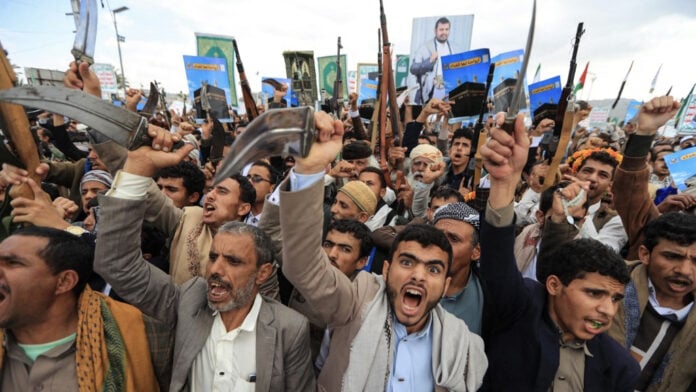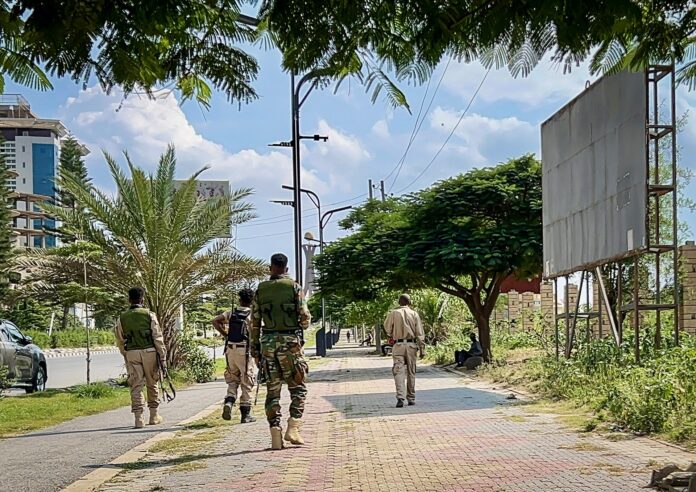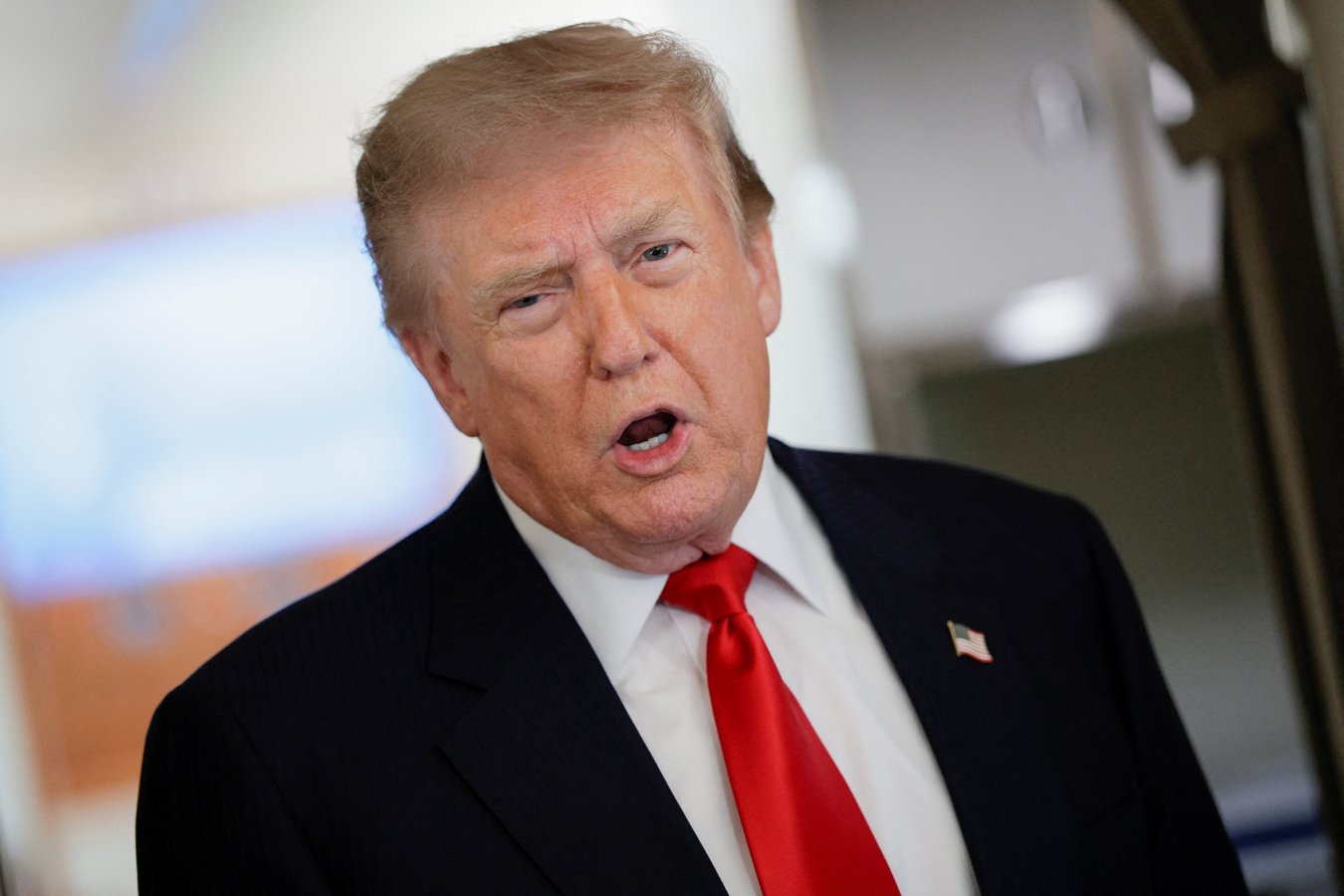

WASHINGTON – Iran declared Monday that the United States was “stuck and struggling” even as President Donald Trump told reporters active negotiations with Tehran were under way, oil prices fell approximately seven percent in the sharpest single-session move in weeks, and Israeli Prime Minister Benjamin Netanyahu flew to Washington to confer on what happens if diplomacy collapses and the strikes resume.
For a third consecutive night, no American strikes were reported inside Iran. Trump told Axios the two countries were engaged in talks he described as “very friendly negotiations,” with Iran “talking to us about making a deal.” Iran’s Foreign Ministry rejected that framing directly, saying it was not seeking renewed negotiations and that Washington had been “stuck and struggling” since the conflict began five months ago. The two characterizations, arriving in the same news cycle, captured the ambiguity that has defined the current pause: neither side calls it a ceasefire, and neither side is moving toward one in any verifiable way.
Trump added a deadline and a threat. “If they don’t work out,” he said, “we go back to very strong military action,” and he stated that “not much time” remained for diplomacy to take hold. He also denied that American forces had been constrained by depleted munitions stocks – a claim that has circulated through defense-industry channels since the strikes began. Trump’s earlier insistence on “very deep talks” drew the same denial from Tehran as Monday’s more guarded language does now.
The oil market responded to the absence of strikes rather than to the diplomatic specifics. Brent crude fell approximately seven percent to around $83 a barrel, reflecting expectations that Iran would leave the Strait of Hormuz open to commercial traffic during any pause period. Iran said it had turned back five vessels in what it described as a routine security exercise and reaffirmed that the strait remained under its authority regardless of the ceasefire’s status. That claim alone – that Iran controls transit through the waterway that carries roughly a fifth of the world’s oil – is the central unresolved issue that neither the pause nor any preliminary diplomatic contact has addressed.
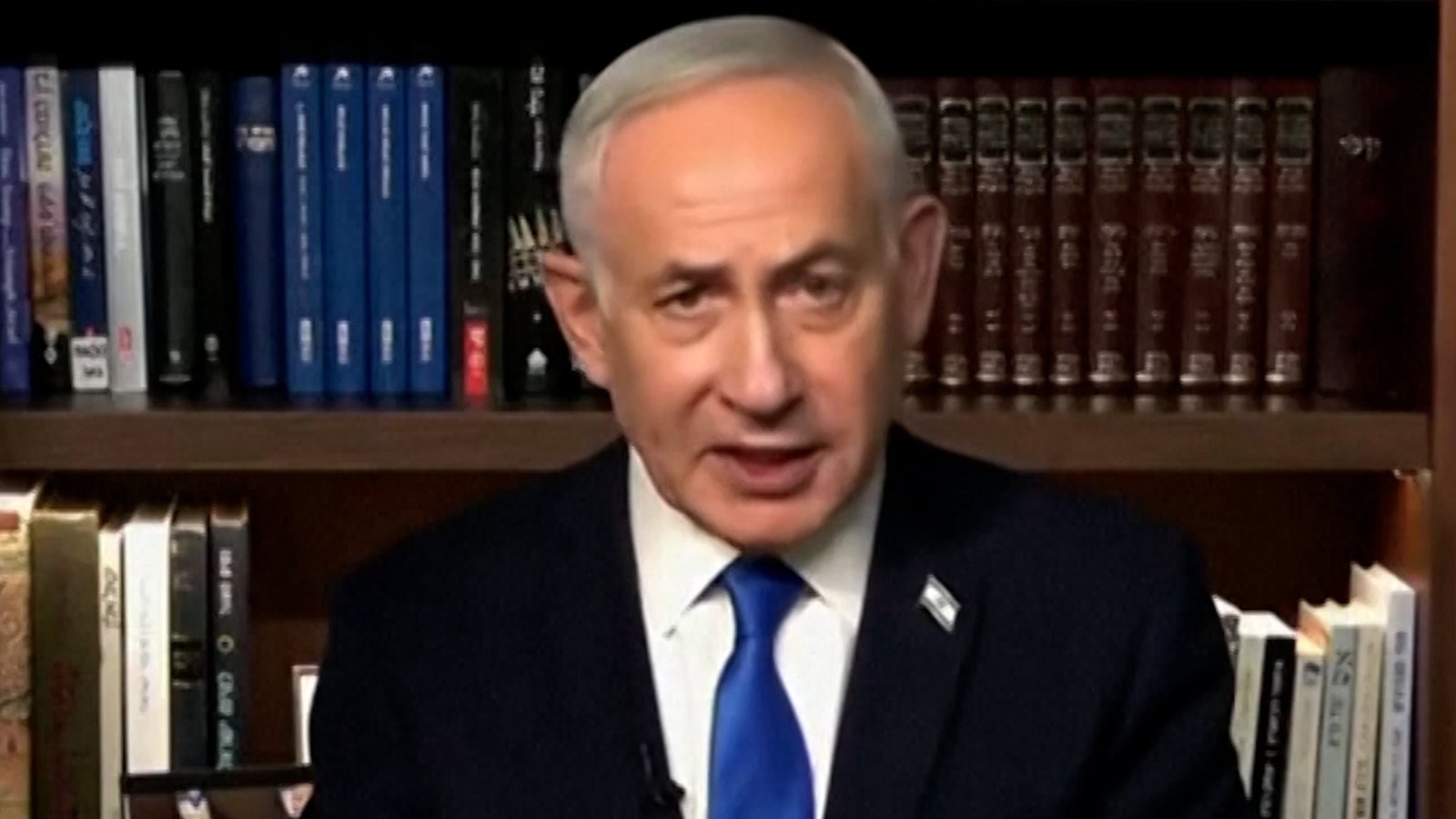
Netanyahu’s arrival in Washington introduced an additional dimension. The Israeli prime minister met with Trump focused on Iran’s nuclear program and the conditions under which Israel would or would not support a diplomatic resolution. Tel Aviv has pressed Washington to escalate rather than negotiate, arguing that any ceasefire without verifiable constraints on Iran’s nuclear capacity would leave the regional balance unchanged. Iran has said the conflict started under Israeli pressure and has conditioned any peace framework on Israeli withdrawal from Lebanon – a requirement that significantly narrows the negotiating corridor before formal talks even begin.
The Caspian Sea introduced Ukraine into a conflict that was already difficult enough to contain. On Saturday, Ukrainian forces struck what Kyiv described as a Russian warship and vessels transporting Iranian-linked military cargo, causing an Iranian commercial vessel to explode and killing one crew member. Iran’s Foreign Minister Araghchi called the attack “a blatant UN Charter violation done at Israel’s behest to drag Europe into its war.” A member of Iran’s parliament warned that Ukraine “may soon come to understand that Iran does not let actions go unanswered.” Zelenskyy confirmed the strikes and said they achieved “very strong results.”
The exchange underscores how interlocked the various theaters have become. Ukraine has accused Iran of supplying thousands of Shahed drones to Russia since 2022, a charge Tehran has consistently denied. The Caspian incident introduces a maritime dimension to that dispute and extends Iranian risk exposure to a front that is geographically and diplomatically separate from the conflict with the United States. Iran calling Zelenskyy a “clown” in the same week it faces pressure from three separate fronts – the United States, Israel, and Ukraine – suggests its external posture has hardened rather than softened in response to the current pause.
Regional spillover continued regardless. Saudi Arabia intercepted drones targeting oil infrastructure in its eastern province and in Riyadh, attributing the attack to “Iran-backed armed groups in Iraq.” Jordan shot down two drones. Iraq’s Prime Minister Ali al-Zaidi said his government “will not allow its territory to be used to launch attacks against neighbouring countries.” These incidents, occurring while both Iran and the United States were signaling a potential pause, indicate that the cessation of direct strikes does not extend to the broader network of armed groups that has operated in coordination with Tehran throughout the conflict.
Qatar, Egypt, and Pakistan have been working through a parallel mediation track, proposing a ten-day pause framework that would give both sides time to formalize what is currently a unilateral and fragile de-escalation. Neither the United States nor Iran has confirmed whether either has engaged with that proposal in any substantive way. Ali Vaez of the International Crisis Group summarized the mutual constraint both governments now face: “Two weeks of fighting have reminded both Washington and Tehran that escalation raises costs without resolving the conflict.” That observation applies more acutely to Washington, given that the United States entered the conflict with overwhelming force and has spent two weeks demonstrating what that force alone cannot achieve.
What happens next depends in part on whether the “talks” Trump describes are informal back-channel contacts or statements designed to hold domestic audiences in place while military and diplomatic options are reassessed. Iran’s public denial provides its own political cover. The gap between Trump’s optimism and Tehran’s dismissal does not necessarily mean one is lying and one is telling the truth: it may mean both are managing a situation in which neither side has the leverage to dictate terms, and neither is ready to say so directly while the ceasefire is still holding.