
WASHINGTON – President Donald Trump stepped back from a new military escalation against Iran last week after Joint Chiefs Chairman Gen. Dan Caine privately warned that the sustained bombing campaign was drawing down American munitions stockpiles at a rate that defense contractors could not match, while back-channel diplomacy around the Strait of Hormuz produced what officials described as the first concrete movement toward a settlement.
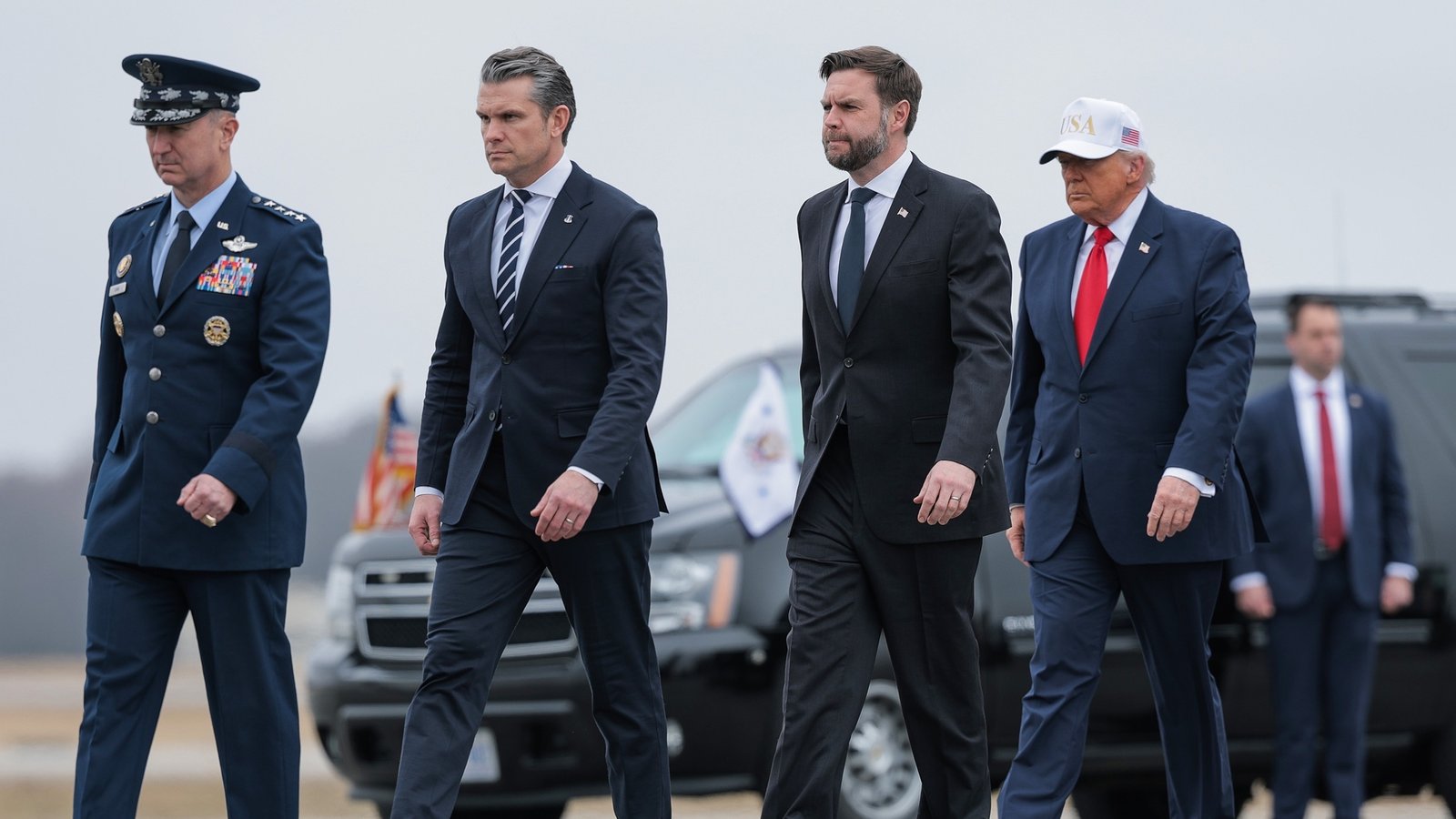
The decision to hold off, confirmed to ABC News by sources familiar with White House deliberations, came from a Friday meeting where Caine’s warning carried enough weight to pause an administration that had spent 13 consecutive nights striking Iranian military targets. Trump publicly dismissed the concern, telling reporters the United States possesses munitions “far more than we need.” His private advisers were considerably less certain.
The distance between Caine’s private assessment and the president’s public confidence has become one of the defining tensions of the American war effort. Reports had previously indicated that US Patriot missile interceptors were running at dangerously low levels, with the Pentagon unwilling to confirm the figures publicly. Trump’s rejection of the concern did not prevent it from shaping the internal calculations at the Friday meeting.
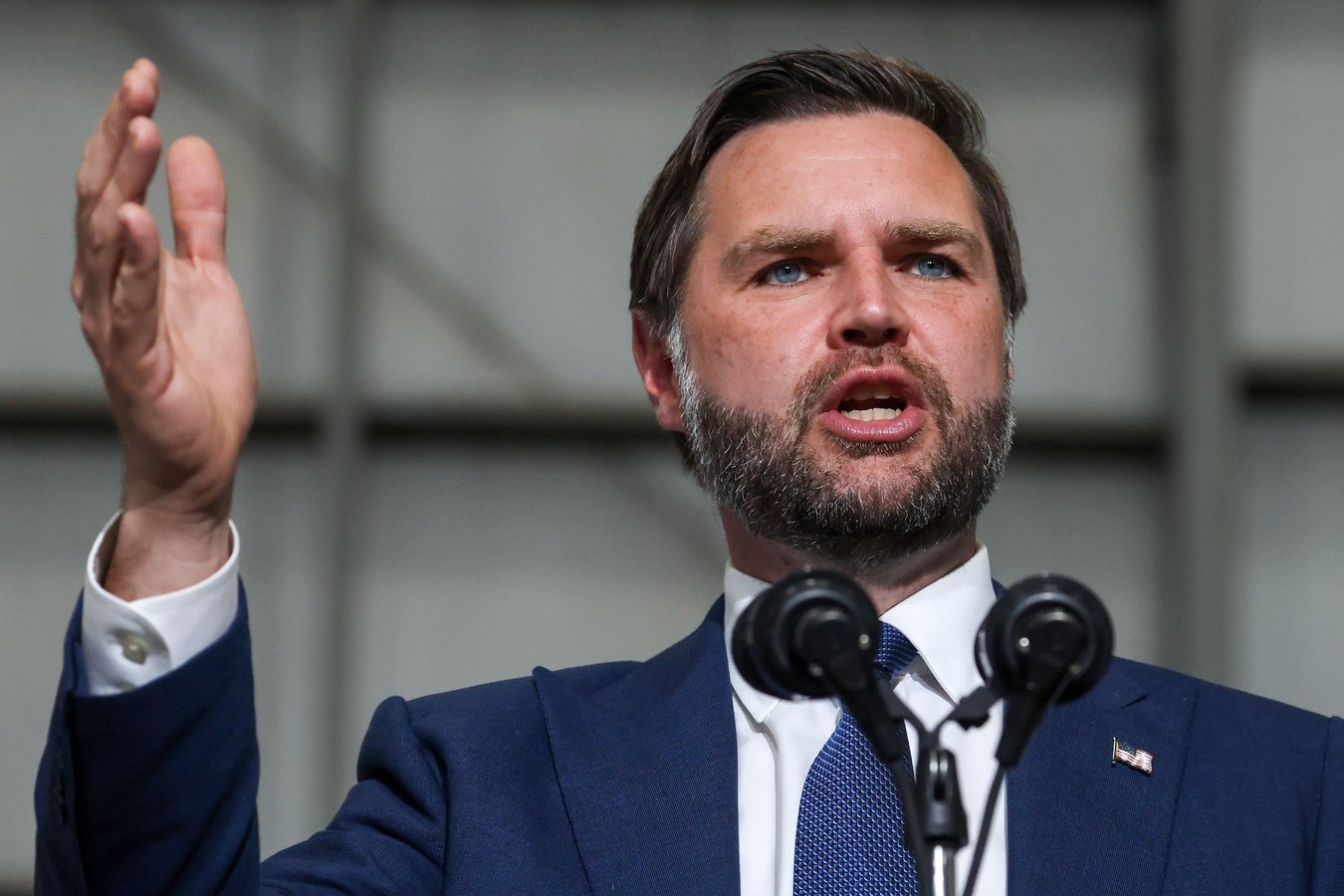
Vice President JD Vance, who has consistently pushed for diplomatic exits throughout the month-long Hormuz crisis, used the pause to advance negotiations. A U.S. official told ABC News that technical-level discussions were showing “possibility of progress on key issues including the Strait of Hormuz,” language precise enough to signal movement to the diplomats working the file and vague enough to give both governments deniability if the talks collapse.
White House Communications Director Steven Cheung said Trump “has always been consistent in saying he prefers a diplomatic solution, but retains all options if Iran continues terrorist activities.” The formulation is designed to preserve pressure on Tehran while creating enough space for talks to develop without Trump appearing to negotiate under military duress.
Iran’s public posture remained firm. Deputy Foreign Minister Kazem Gharibabadi met with the negotiating team but offered no acknowledgment of progress. Tehran has spent the past month insisting the United States was “stuck and struggling,” language Iran’s foreign ministry deployed consistently even as oil prices tumbled seven percent on ceasefire speculation last week. The Islamic Republic’s leadership cannot afford to be seen as having sought a deal.
The most significant external development came Tuesday when Oman handed Iran a Gulf-backed proposal for joint management of the Strait of Hormuz, with voluntary transit fees shared between parties. The arrangement would give Tehran a formal economic stake in keeping Hormuz open rather than a political obligation to abandon a blockade it has framed as resistance to American military aggression. Gulf states backing the proposal have been watching their own oil revenues erode with every additional day of closure, and have been quietly encouraging Oman’s mediating role for weeks.
Iran has not publicly accepted or rejected the framework. Tehran’s domestic politics make acceptance difficult to frame as anything other than capitulation, and its leadership is simultaneously managing fallout from a Ukrainian long-range drone strike that killed an Iranian sailor aboard a commercial vessel in the Caspian Sea last week, an attack unconnected to the American confrontation that nonetheless complicated the internal debate about how Tehran responds to simultaneous external military pressure.
The munitions concern that Caine raised goes beyond the Iran campaign itself. Advanced interceptors and precision-guided munitions come from the same inventories that NATO allies and US planners have been monitoring across multiple theaters simultaneously. The depletion rate from 13 nights of intensive strikes, combined with existing drawdowns from other fronts, produced a readiness picture that Caine felt obligated to bring directly to the president rather than route through subordinates.
The hold on escalation does not mean the conflict has ended. American strikes continued at a reduced tempo during the pause. Sanctions remain in place. The administration has threatened additional economic measures if Iran resumes full retaliatory operations against US bases in the region. The war’s pace has changed; its fundamental structure has not.
The strategic problem for Washington is that a month of bombing has not produced an Iranian government ready to settle on American terms. Strikes destroyed significant military infrastructure but failed to break Tehran’s determination to keep the Strait closed. American allies who initially supported the campaign have grown increasingly vocal about the costs of continued escalation as oil near $100 a barrel weighs on global growth projections.
The Oman proposal, if seriously pursued, would reframe Hormuz governance as economic policy rather than military contest, a distinction that matters enormously for how Iran’s government would explain any agreement to its own population. Washington has not publicly endorsed or rejected it. The administration had previously claimed deep talks were under way with Iran before that window collapsed; whether this one holds longer remains the only question that matters in the region right now.
Officials who left last week’s White House meeting described a genuine opening, but also a president whose decisions on Iran have followed no predictable pattern and who returned to escalation rhetoric twice before after similar windows appeared. The US pause in Iran strikes lasted only days before Trump reversed course the first time. Whether this one endures longer depends on what Oman brings back from Tehran, and what Caine’s updated stockpile assessment tells him when it arrives.