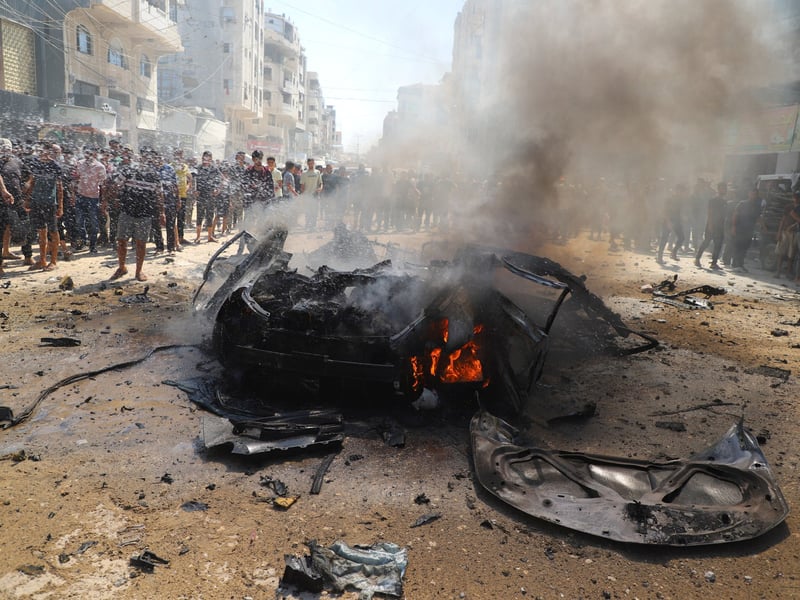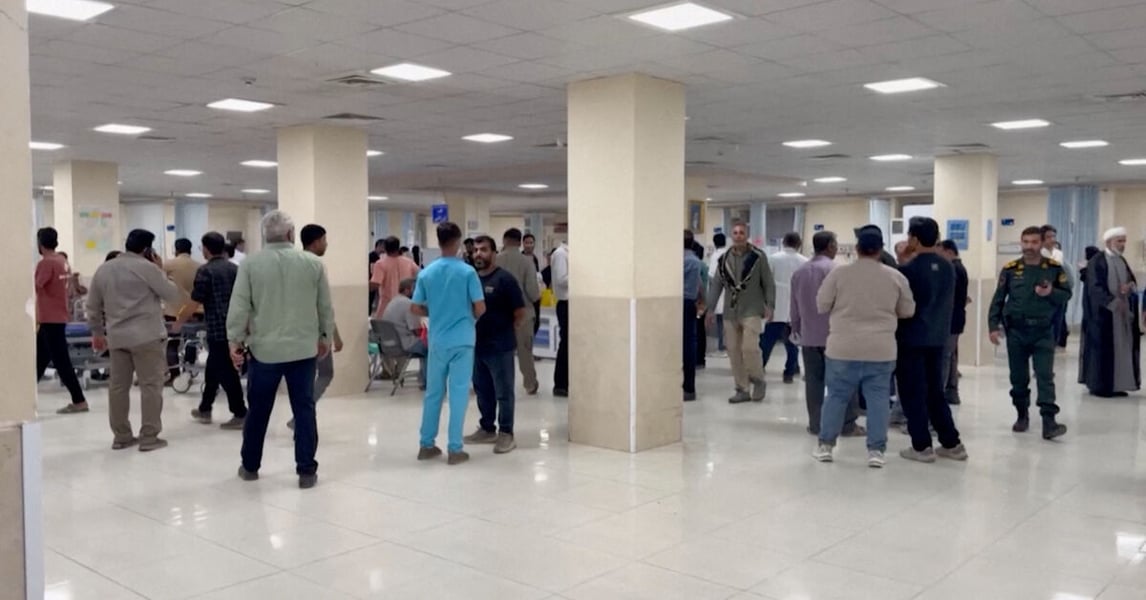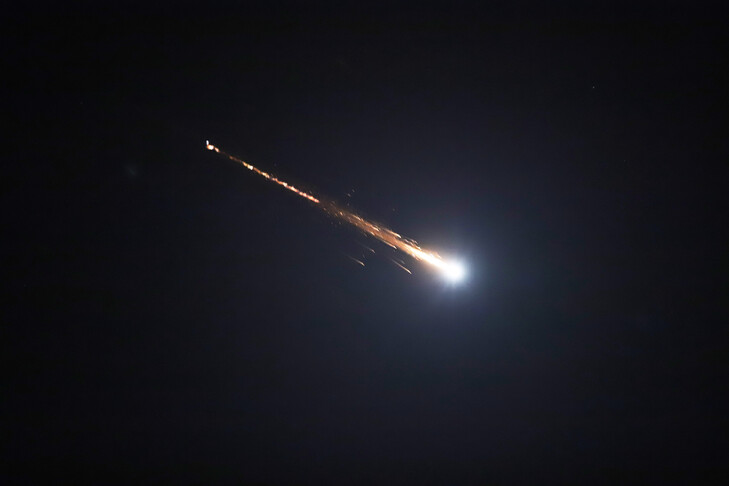

TEHRAN – A Ukrainian long-range strike killed one Iranian sailor and wounded several others when it hit a commercial vessel in the Caspian Sea on Saturday, opening a front that has never previously existed in this conflict and drawing a sharp warning from Tehran that the attack “cannot go unanswered.”
Iran’s Foreign Ministry described the strike as “a blatant violation of the UN Charter” and summoned Ukraine’s charge d’affaires in Tehran for a formal protest. Foreign Minister Abbas Araghchi went further, alleging on social media that the attack had been carried out “at Israel’s behest to drag Europe into its war,” a characterization that inserted the Israeli-Palestinian conflict into a separate confrontation and signaled Tehran’s determination to assign maximum diplomatic blame.
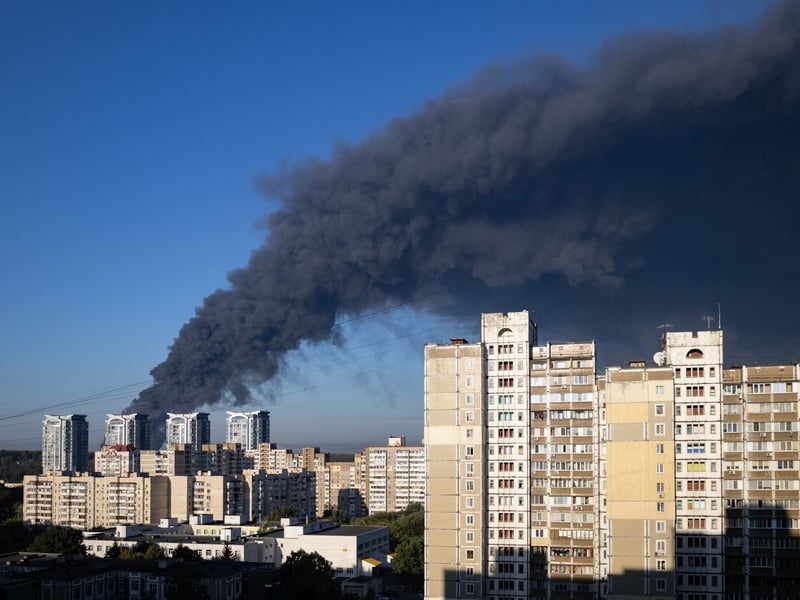
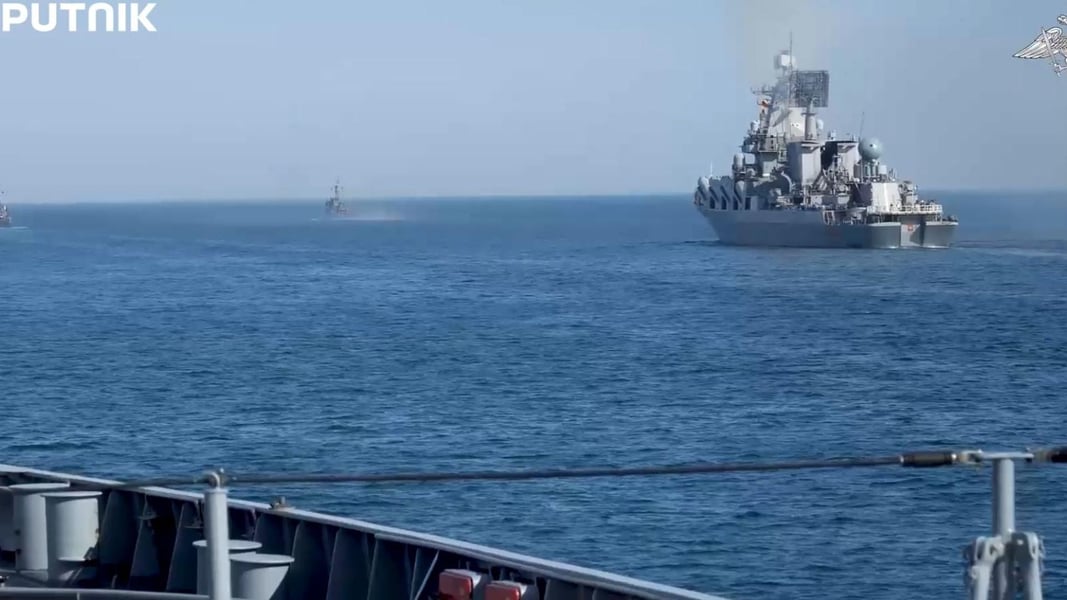
Ukrainian President Volodymyr Zelenskyy announced the operation on Saturday, saying Kyiv had achieved “very strong results” with long-range drone strikes against vessels “involved in military cargo shipments involving Iran” and a Russian warship in the Caspian. Ukraine has documented what it describes as an Iranian drone supply chain feeding Shahed-136 strikes on Ukrainian cities – thousands of one-way attack drones that have killed civilians and demolished residential infrastructure since 2022.
Iran’s position, maintained consistently since 2022, is that it “has never intervened in the conflict between Russia and Ukraine.” The Ministry of Foreign Affairs characterized the vessel struck as a commercial ship with no military affiliation, and said the explosion that followed the strike killed one sailor and left several others injured. Ministry spokesman Esmaeil Baqaei called the act “absolutely illegal and unjustified.” A senior Iranian lawmaker, Ebrahim Azizi, was more direct: “Ukraine may soon come to understand that Iran does not let actions go unanswered.”
The Caspian Sea is landlocked, enclosed by Russia, Iran, Azerbaijan, Kazakhstan and Turkmenistan. It has not, until this weekend, featured as a battlefield in what Moscow describes as its military operation in Ukraine. Ukraine’s ability to reach the Caspian with long-range drones – striking several hundred kilometers east of its operational base – demonstrates a geographic range that few analysts had fully accounted for, and extends Kyiv’s reach into waters that both Russia and Iran treat as a shared strategic space.
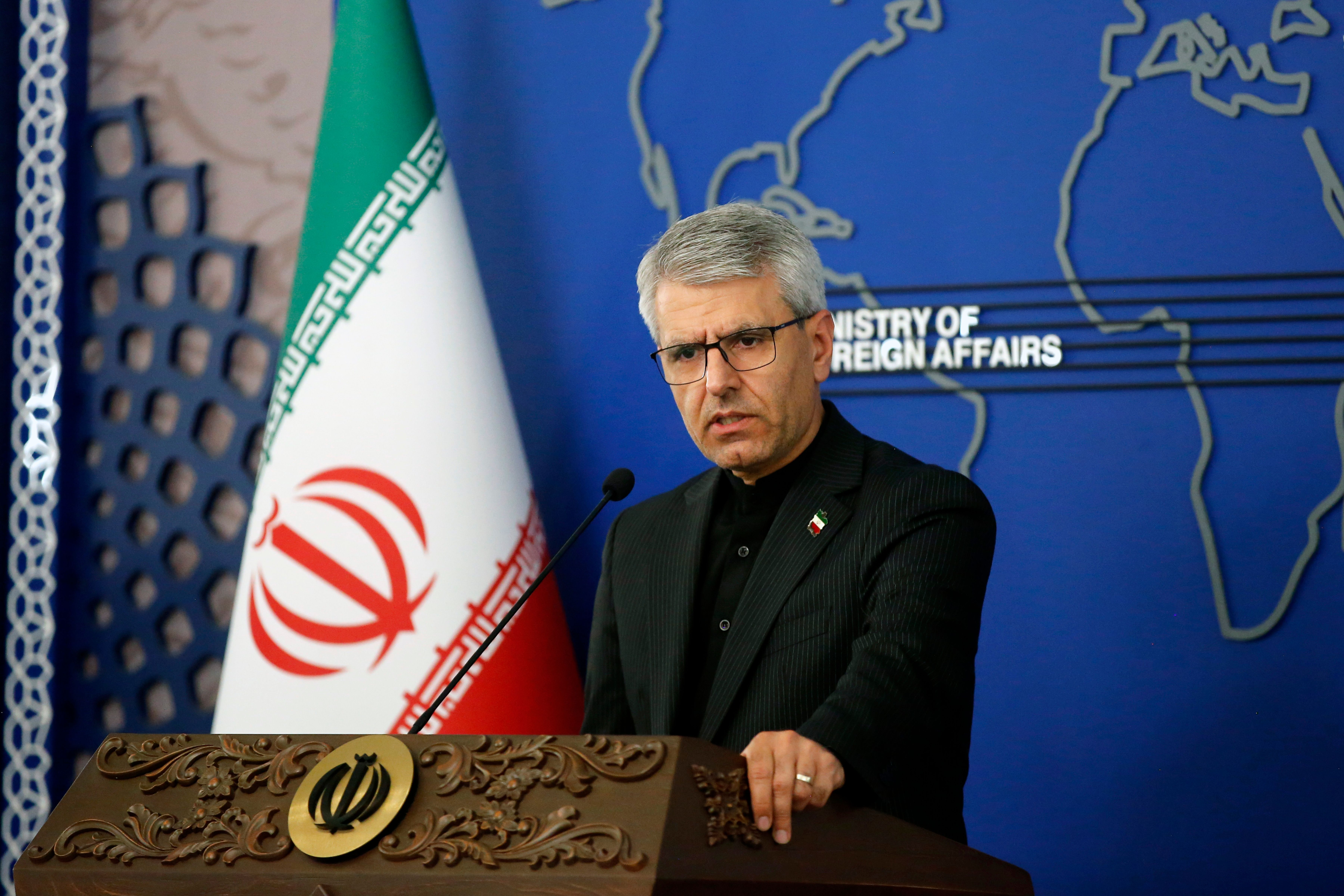
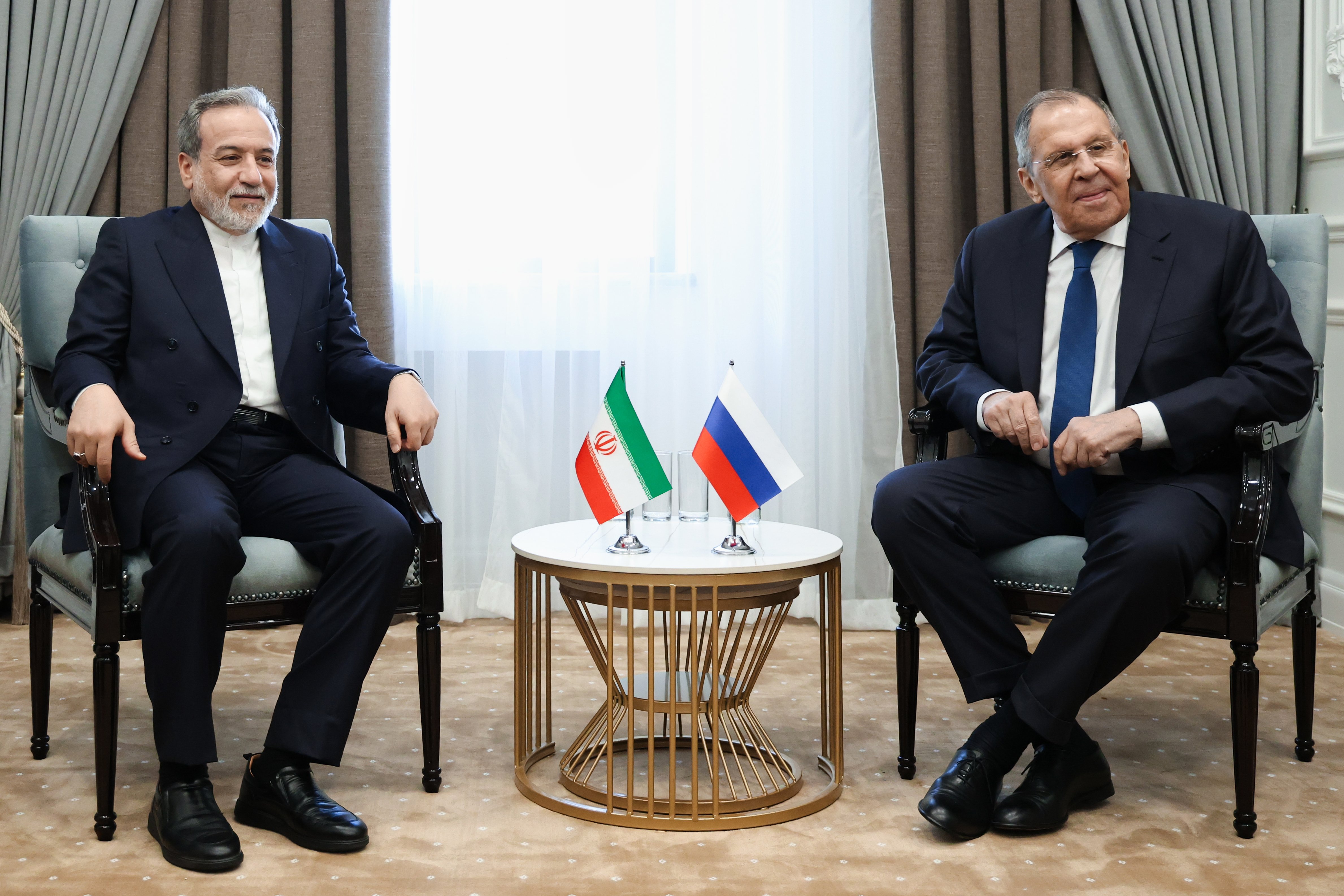
Araghchi shared details of the incident with both Russian Foreign Minister Sergey Lavrov and EU foreign policy chief Kaja Kallas on Sunday, working multiple diplomatic channels simultaneously. That Russia’s foreign minister was among the first he briefed says something about the alignment between Moscow and Tehran that Ukraine’s Caspian strike was designed to target.
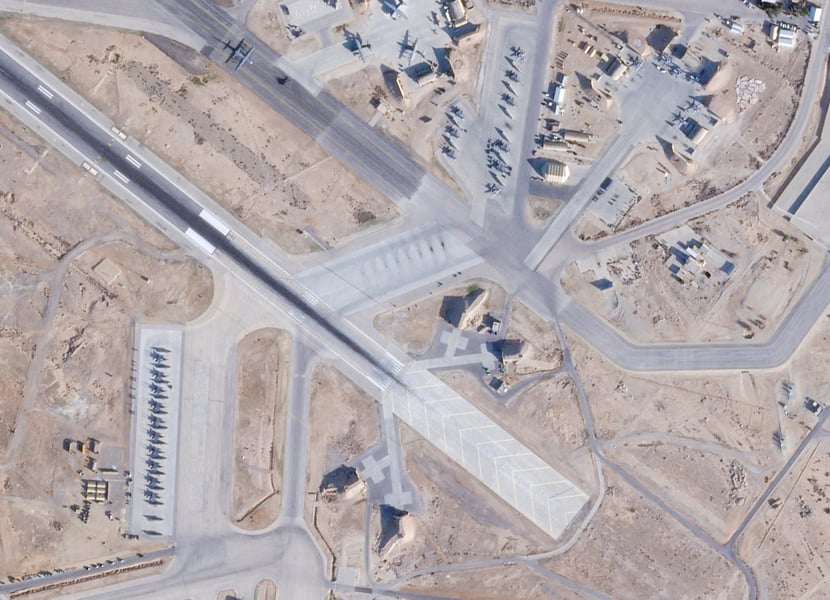
Zelenskyy added an accusation that extended the confrontation’s reach further. He alleged that Russian reconnaissance satellites had been observing US military installations in Bahrain, Jordan and Kuwait between July 19 and 20, and that this surveillance was being fed to Iran as part of a deepening strategic partnership. Neither Russia nor Iran confirmed the claim. But Zelenskyy’s decision to publicize it – placing the Caspian strike in the context of Russian satellite support for Iranian military planning – signals that Kyiv views the two as a unified adversarial network rather than separate bilateral relationships.
The timing is acute. Iran has been managing a partial ceasefire negotiation with the United States after weeks of American airstrikes against Iranian military infrastructure. As US strikes paused amid ceasefire talks, oil prices fell sharply on the prospect of de-escalation. Into that delicate diplomatic moment, Ukraine has now fired long-range drones into Iranian waters. Tehran is simultaneously managing a near-war with Washington, the continuing Israeli genocide in Gaza, and now an open Ukrainian strike on its commercial shipping in the Caspian.
Whether Araghchi’s warning of “unforeseen consequences” translates into concrete Iranian action is uncertain. Tehran has a documented pattern of responding to attacks obliquely and through proxy channels, on a timeframe that makes immediate attribution difficult. That pattern has served Iran strategically in multiple theaters, and there is no obvious reason to expect the Caspian incident to produce a different calculus. What it produces immediately is pressure on a government already managing more simultaneous crises than any Iranian foreign minister in recent memory.
The broader context from which this week’s attack emerged involves Iran’s ceasefire diplomacy with the United States, which has kept oil markets volatile and Gulf states anxious about the Strait of Hormuz. Senate Republicans pressed Defense Secretary Hegseth on the Iran war’s endgame last week, a sign that even within Trump’s political coalition there is unease about where the campaign is heading. Zelenskyy had already warned of a massive Russian operation attack within 48 hours before announcing the Caspian strike – a sequence suggesting Kyiv is not operating defensively but is actively expanding the geographic scope of its operations.
According to Al Jazeera’s reporting on Sunday, Iran has formally characterized the attack as a violation of UN Charter Article 2(4) and is calling for accountability from the UN Security Council, the European Union and the international community. Arab News reported that Tehran warned of consequences that will be “unforeseen” – language calibrated to signal seriousness without specifying a timeline or mechanism.
The Caspian will not easily revert to the status of a regional backwater after this. Ukraine’s decision to strike there was deliberate, its purpose to raise the cost of the Iran-Russia military logistics relationship. Tehran must now decide how to respond without triggering a wider confrontation at a moment when it is already managing a fragile ceasefire with Washington and facing domestic pressure over an economy strained by sanctions and airstrikes. The Caspian strike has made that calculation significantly more complicated.