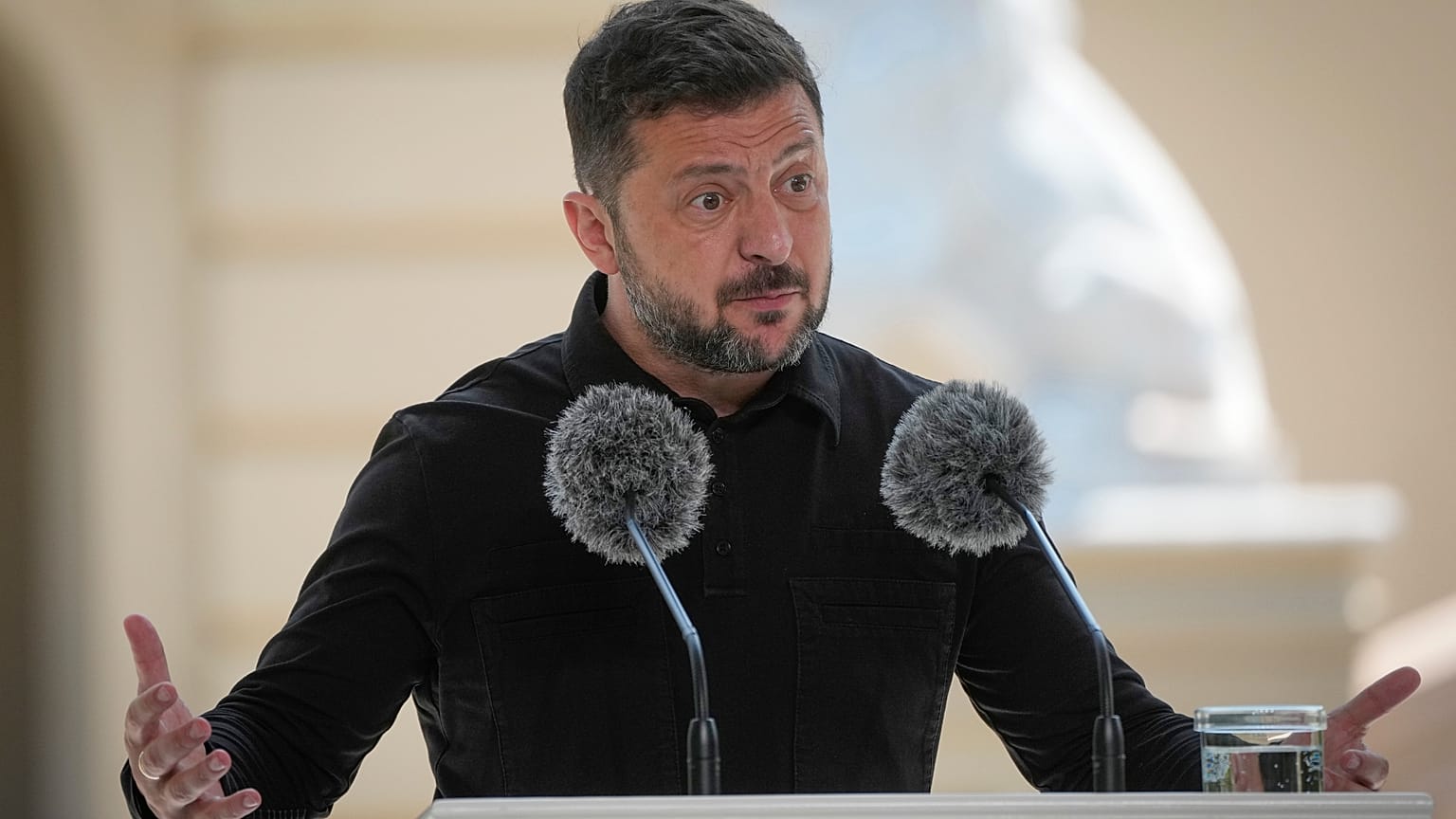

KYIV – A Russian strike hit an arms exhibition in Kyiv on Friday, killing at least ten people and wounding nearly one hundred, including defense industry representatives who had gathered at the facility. By Saturday morning, President Volodymyr Zelenskyy had issued one of his most specific public alerts: intelligence, he said, pointed to a massive Russian attack expected within 48 hours.
“Please take care of yourselves and pay attention to air raid alerts,” Zelenskyy wrote on Saturday morning. The framing went further than routine warning language. He described what Ukrainian intelligence services had identified as pointing to a strike being prepared, not merely anticipated.
The arms exhibition struck Friday was not a military installation. It was a civilian venue for people involved in Ukraine’s domestic defense procurement, a sector Kyiv has urgently expanded as the Russian operation’s duration consumed Western transfer timelines and the domestic weapons manufacturing base became strategically essential. What the strike cost in personnel terms remains partially unaccounted for. What it communicated about Russian targeting was immediate: arms industry participants gathering in Kyiv are now treated as combat-zone presences.
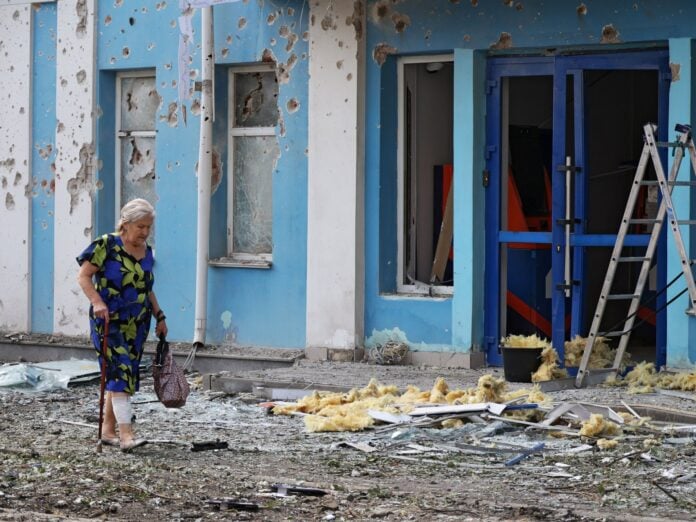
Guided bomb strikes also hit Slovyansk on Friday, killing five additional people. The Latvian consulate in Slovyansk sustained damage, prompting a formal protest from Riga about what it described as a direct attack on European diplomatic infrastructure.
Kaja Kallas, the European Union’s foreign policy chief, called the strikes evidence of Moscow’s “utter disregard for international law,” Euronews reported. Russia’s Foreign Ministry said arming Ukraine remained “unacceptable” and said Western deliveries were prolonging what Moscow describes as its military operation.
Zelenskyy’s 48-hour window covers Sunday and Monday, putting the potential strike date in the same range as previous major barrages of 2026. The July 3 attack, which the Russian operation launched over Kyiv using 74 missiles and 496 drones, reached residential areas and killed 22 people despite substantial interception. Zelenskyy had warned it was coming before it arrived. It came anyway.
Saturday’s warning arrives in a restructured Ukrainian command. Zelenskyy dismissed both his defence minister and his army chief in the eleven days before this warning. The appointment of Mykhailo Drapatyi as the new commander-in-chief came amid protests over the removal of his predecessor Syrskyi, and the demonstrators who had demanded that outcome had already announced another rally before the appointment was formalized. Whether the restructured command is better positioned to coordinate air defense during a mass barrage is not answerable before a barrage occurs.
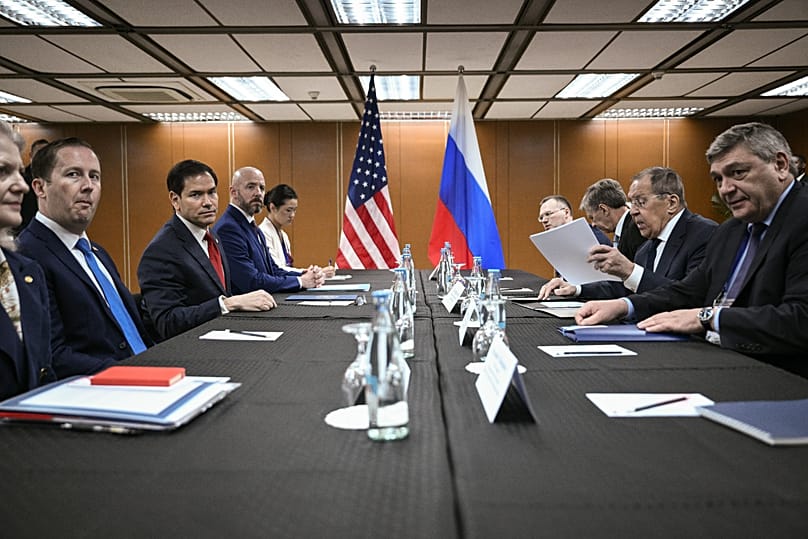
The previous night’s Russian operation hit Pavlohrad with 168 drones, killing three people and wounding dozens. Russian Foreign Minister Sergey Lavrov told US Secretary of State Marco Rubio at the ASEAN summit in Manila that American arms deliveries to Ukraine were unacceptable, a warning delivered while Russian forces were targeting Ukrainian cities. No communication from Manila has been announced as bearing on the timing of the imminent attack Zelenskyy is now describing.
The broader American security posture has been shaped heavily by the third week of US operations against Iran, which has consumed surveillance, planning, and diplomatic resources. No redeployment of US air defense assets from the Gulf to Ukraine has been announced. NATO’s eastern allies have raised their own air defense readiness but have not extended operational coverage into Ukrainian airspace.
Ukraine’s defense ministry said Saturday’s air raid alerts covered all of the country’s regions. Emergency services in Kyiv were placed on elevated readiness. The city’s subway system, which has functioned as mass shelter during previous barrages, was prepared for that role. The practical question Kyiv residents face is the same one they have faced in every previous barrage, adjusted only by the specificity of Saturday’s warning: whether the next 48 hours will be ordinary or not, and whether the alert that eventually sounds will be followed by a brief all-clear or by the sustained presence of a very large number of objects in the air at once.
The precise contents of the intelligence Zelenskyy cited are not public. What Russian commanders have actually prepared, and on what schedule, is not known from the outside. What Zelenskyy’s warning record suggests is that when he names a time window, something usually arrives within it. Whether what arrives will match the description “massive” in Russian operation terms, or will be something smaller, is information only the next two days will provide.