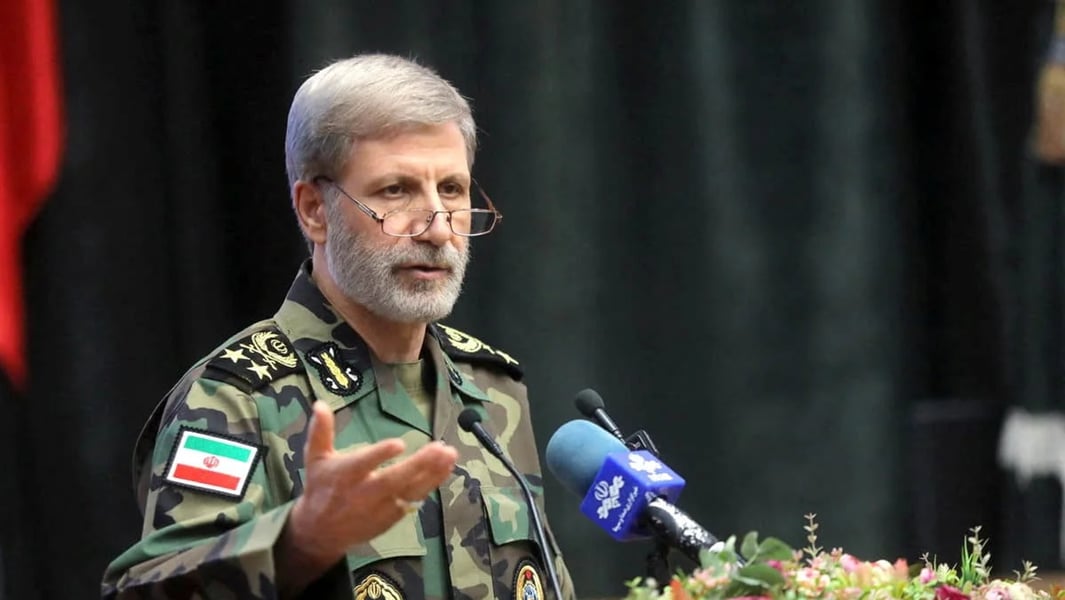

TEHRAN — An American soldier’s life is worth $30,000 in Tehran. That is the price Iran’s Army formally put on American troops Sunday, offering a bounty for the killing or capturing of any United States “aggressor” soldiers on Iranian soil. The announcement arrives four days before the Iran-US ceasefire is set to expire with no successor agreement in place.
Major General Amir Hatami, Commander-in-Chief of Iran’s conventional Army, announced the bounty at a ceremony marking National Army Day. Women who participate in killing or capturing US soldiers would receive $60,000, double the standard rate. Weapons seized from American forces would be purchased at twice market value and displayed in a national museum. Hatami specified the funding would come from private contributions rather than the state military budget, a legal distinction with significance inside Iran where mobilizing non-governmental resources for resistance operations has precedent under Iranian law.
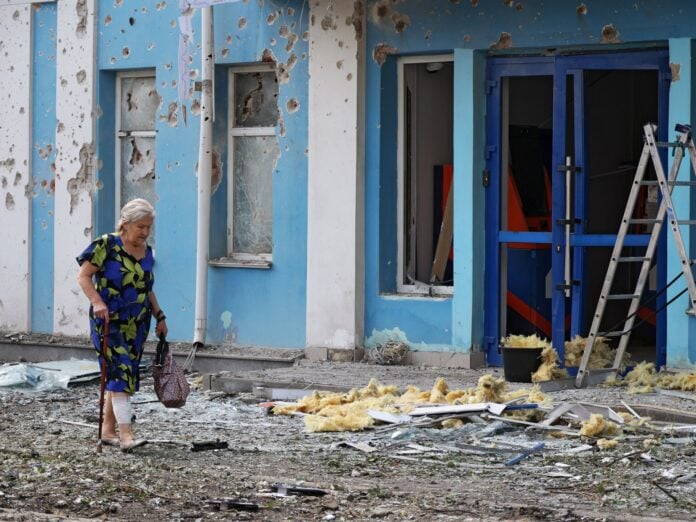
The announcement follows months of escalating military confrontation. The United States and Israel launched Operation Epic Fury on February 28, 2026, striking military infrastructure across Iran in what Tehran characterized as an act of aggression. Iran responded with Operation True Promise 4, a retaliatory strike package that broadened the conflict into the wider Gulf region. Eighteen American service members have been killed since fighting began. Iranian officials note all eighteen died outside Iranian territory, a framing Hatami used to present the bounty as territorial defense rather than offensive provocation. According to Sputnik, the announcement was made at a National Army Day ceremony Sunday.
The ceasefire memorandum of understanding between Iran and the United States expires Monday, August 18. Negotiations toward a replacement agreement have stalled. Iranian military commanders have given no public indication they intend to propose one. The bounty announcement, arriving days before the deadline, reads as a signal: Tehran is not preparing for de-escalation. The diplomatic situation around the Iran-US ceasefire expiry has grown considerably more acute since last week.
Alongside the bounty, Iran’s Army has formally declared that US forces are no longer permitted to transit the Strait of Hormuz, the narrow chokepoint through which roughly 20 percent of global oil supply moves. That declaration followed the completion last week of a bilateral Iran-Oman shipping arrangement establishing an alternative routing for Gulf commerce, potentially reducing Tehran’s economic exposure to any Hormuz confrontation. The sequencing suggests deliberate preparation: secure the commercial workaround, then announce the military exclusion.

Hatami’s language was unambiguous about the goal. He declared that “the era of American military presence in the Persian Gulf is permanently over.” Whether Iranian military commanders genuinely believe this or whether the declaration is calibrated to domestic audiences in advance of a difficult week is not answerable from the public record. What is clear is that Iran’s Army is publicly rehearsing the argument for why American forces no longer belong in the region.
The bounty structure carries a deliberate echo of Washington’s own Rewards for Justice program, administered by the State Department, which has offered cash payments for information on designated figures for decades. Tehran’s announcement inverts the logic, applying bounty mechanics to uniformed American military personnel in a direct provocation to the legal framework Washington uses to justify its own targeted programs. TRT World reported the announcement as part of broader Iranian posturing ahead of the ceasefire expiry.
Private funding matters for a specific legal reason. If the bounty were financed through official Iranian Armed Forces appropriations, it would constitute a state act of war against US military personnel under international law. Hatami was careful to frame it otherwise. Whether American military or legal officials accept that framing is another matter. The United States has not historically distinguished between state-funded and privately-funded attacks on its servicemembers when attributing state responsibility.
The naval dimension is directly relevant to personnel already at risk. The USS Abraham Lincoln carrier strike group has remained in the region in what the Pentagon describes as an extended deterrence posture, a deployment that has produced documented strain among the crew at the center of the Iran war deployment crisis. Meanwhile, questions about allied commitments to US operations in the region, including the Iran war Qatar pilots investigation at Al Udeid, remain unresolved.
Washington had issued no formal response to Hatami’s announcement as of Sunday evening. The Pentagon, State Department, and White House declined to comment publicly. That silence is a decision, one that neither accepts the premise of the bounty nor offers any visible off-ramp for de-escalation before Monday’s deadline.
The ceasefire expires Monday. Iran has put a price on American soldiers. The Strait of Hormuz is declared off-limits to US forces. Tehran’s Army Commander says the era of American military presence in the Persian Gulf is permanently over.
It is not obvious that posture survives Monday.