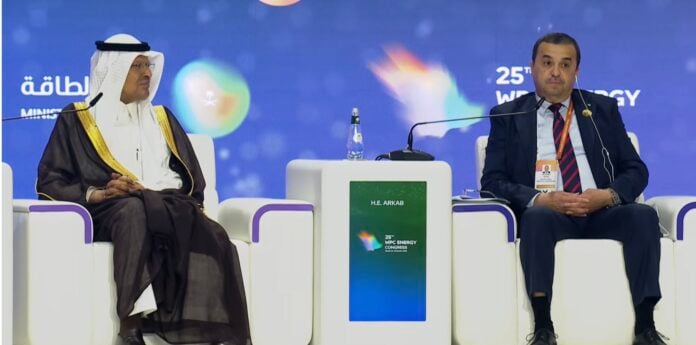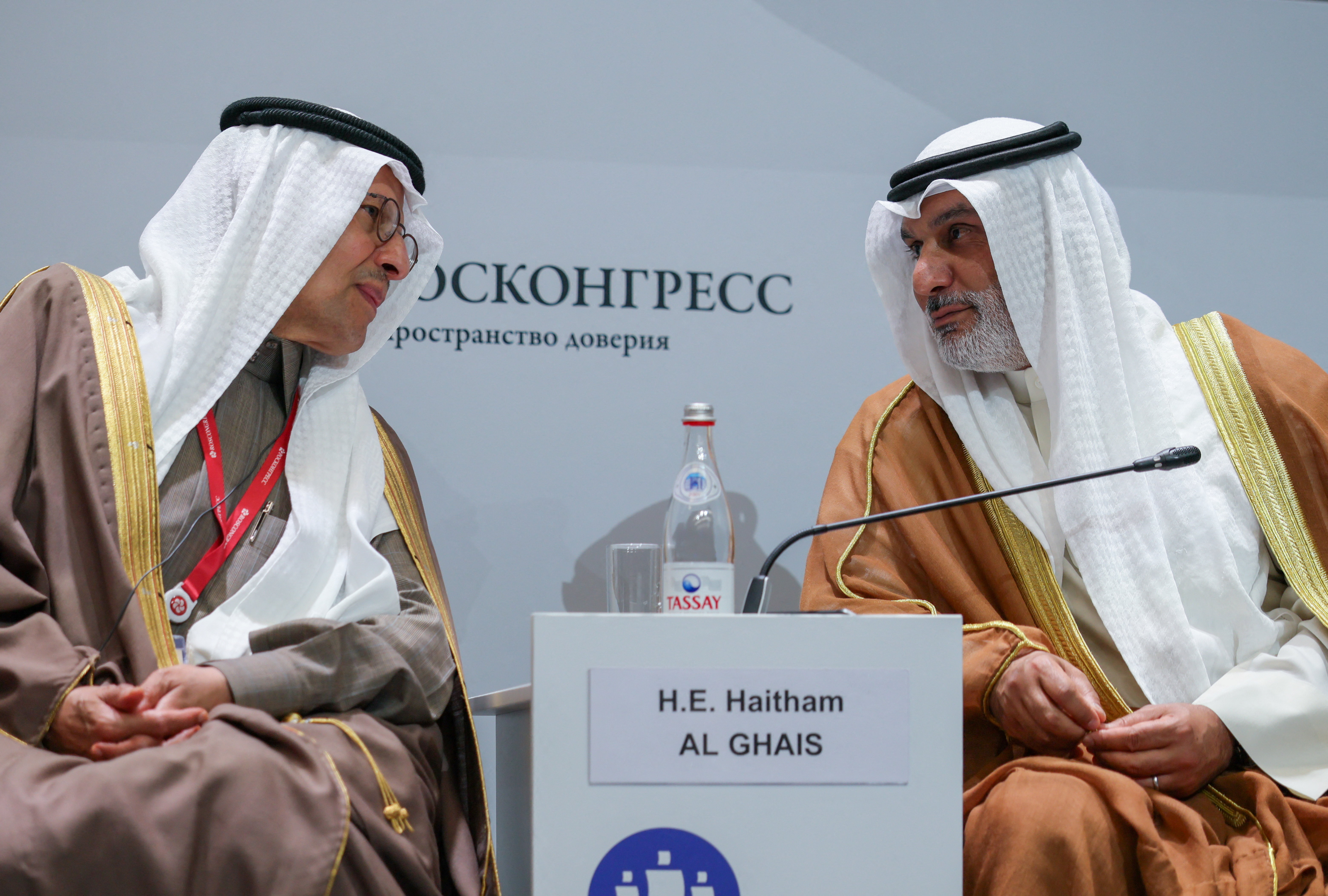

VIENNA — The number that matters to oil markets right now is not how many barrels OPEC+ intends to add. It is how many it will not touch. On Sunday, the alliance’s 41st ministerial meeting ended with the group-wide production quota exactly where it began — reaffirmed through December 31, 2026, unchanged, and presented as settled.
What made the decision structurally significant was the room in which it was taken. This was the first full OPEC and non-OPEC ministerial in the alliance’s history to convene without the United Arab Emirates as a participating member. The UAE formally exited OPEC+ on May 1 after nearly six decades of coordinated output policy, removing roughly 3.5 million barrels per day of quota baseline from the group’s arithmetic. The June 7 meeting did not resolve what happens to that orphaned baseline. It did something quieter — it confirmed that the remaining members would not move.
“Reaffirm the level of overall crude oil production for OPEC and non-OPEC Participating Countries in the Declaration of Cooperation as agreed in the 38th OPEC and non-OPEC Ministerial Meeting until 31 December 2026,” the official communiqué read. The reference to the 38th meeting — held in November 2025 — carries weight: that session established the framework that locked production levels for the whole of 2026, and Sunday’s decision is a confirmation that no crisis, no exit, and no structural change in the alliance’s composition has prompted a revision.
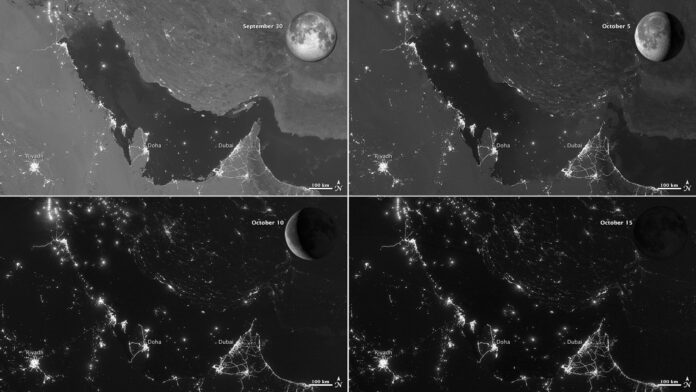
The broader context makes the hold harder to read as routine. The Strait of Hormuz disruptions that followed the Iran-Israel conflict have complicated actual output for several Gulf producers regardless of what any quota document says. Iraq and Kuwait have faced physical export constraints independent of their assigned ceilings. The alliance’s actual production has run below its own targets, according to the International Energy Agency, which reported in May that eight OPEC+ nations collectively fell 8.8 million barrels per day short of quota in April. In that environment, reaffirming a ceiling that the market already cannot fully reach functions as a signal rather than a constraint.
Sunday’s meeting also advanced a secondary decision whose consequences may outlast everything else on the agenda. The group endorsed a mechanism to assess each member’s maximum sustainable production capacity, to be used as the reference point for setting individual quotas from 2027 onward. That process, delegated to the OPEC Secretariat, will attempt to resolve a dispute that has quietly strained the alliance for years: how to apportion output rights among members whose actual productive capabilities have diverged sharply from the baselines established when the Declaration of Cooperation was first signed in 2016.

The fault lines in that capacity review are already visible. Countries like Iraq have historically overproduced against their assigned ceilings while arguing that their formal quota understates their real capacity. Others, particularly smaller African producers, have seen output fall well below their baselines due to aging infrastructure — and resist any mechanism that would reduce their official entitlements to reflect what they can actually pump. The Secretariat has not set a timeline for completing capacity assessments, and there is no guarantee the methodology will produce numbers all members accept.
The Charter of Cooperation, originally signed on July 2, 2019, was also reaffirmed Sunday as the organizing framework for OPEC+ coordination going forward. That document binds members to a structure of regular ministerial consultations and joint monitoring — a commitment that the remaining membership is signaling it intends to maintain even after the UAE’s departure reconfigured the group’s political center of gravity.
The next ministerial is scheduled for November 28. That session will fall at a moment when the 2027 capacity assessments are expected to be nearing completion, making it the more consequential meeting. By then, the alliance will need to decide not just whether to hold or adjust quotas for the first quarter of 2027, but how to apply a new capacity baseline that will have winners and losers measured in hundreds of thousands of barrels per day. The July output increase of 188,000 barrels per day approved separately by the seven voluntary-cut nations earlier in the day suggests the production trajectory is upward — but the pace and the internal distribution of that increase remain open questions the June meeting chose not to answer.
What Sunday’s meeting did answer, if nothing else, is that OPEC+ — absent one of its most consequential members and operating in the shadow of a war that has made large parts of its quota structure notional — is not changing course before the year ends. The December 31 deadline is fixed. The harder arithmetic begins in November.