
TEHRAN — The agreement that was supposed to end the Iran-United States war expired Monday with no extension, no new framework, and no date for the negotiations that both sides say they have not yet committed to resuming.
The Memorandum of Understanding signed June 17 by President Donald Trump and Iranian President Masoud Pezeshkian — brokered through Pakistan after three months of war that closed the Strait of Hormuz to commercial shipping — was dead before Monday arrived. Washington and Tehran had each accused the other of violations within days of signing. Trump called it “over” by July 7 and kept striking targets in Iran, killing at least 50 people in what Tehran described as strikes on civilian infrastructure. Tehran suspended its own commitments in response. What expired Monday was the formal shell of an agreement both sides had already abandoned, leaving the world’s most critical shipping chokepoint still contested and the Iran war with no diplomatic end point in view.
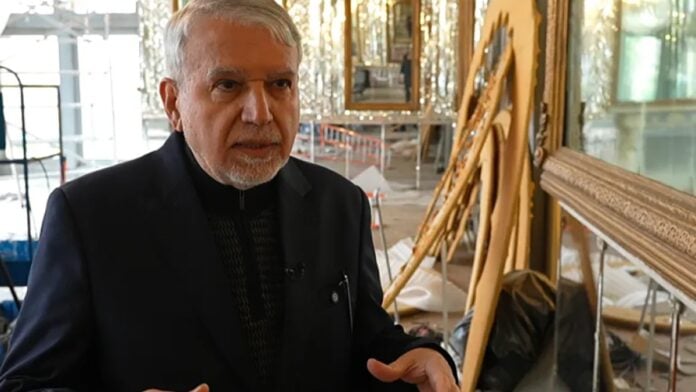
Iranian Foreign Minister Abbas Araghchi said Friday that his government had “not yet made a decision to restart negotiations with the United States.” Mediators from Qatar and Pakistan continued passing messages. Araghchi noted that Iran was working on a separate arrangement with Oman over Hormuz shipping routes — one that had not been approved by Iran’s Supreme National Security Council and that, in any case, he said could only function once a political solution was reached.
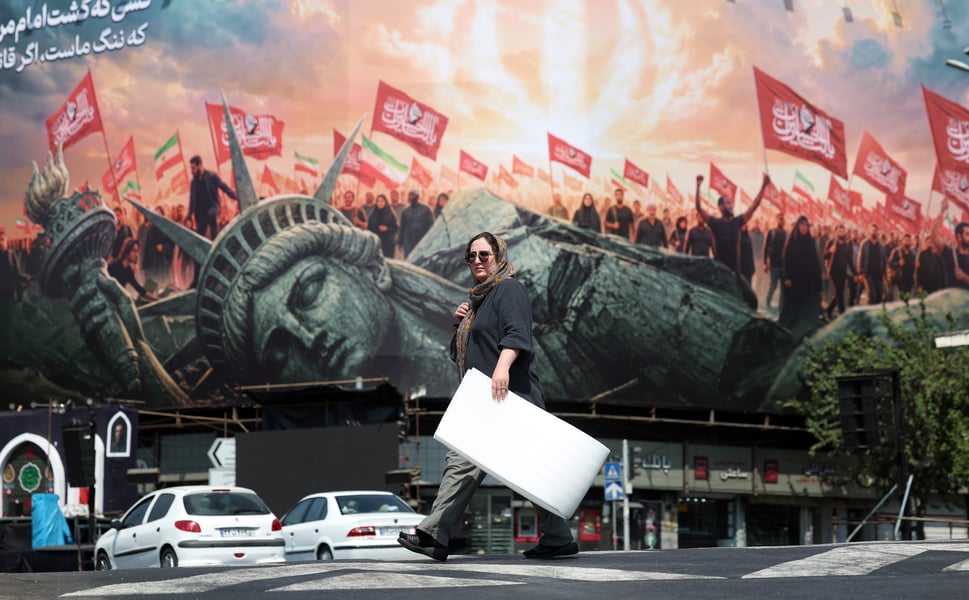
Trump, speaking to supporters in New York the same day, said the US would formally claim the waterway: “After we finish defeating Iran, which is being very badly defeated, pretty soon I’ll be declaring the Hormuz Strait a territory of the United States.” His Treasury Secretary, Scott Bessent, announced economic measures of “unprecedented severity” were coming for Tehran. Neither man explained what new tools remained available to apply.
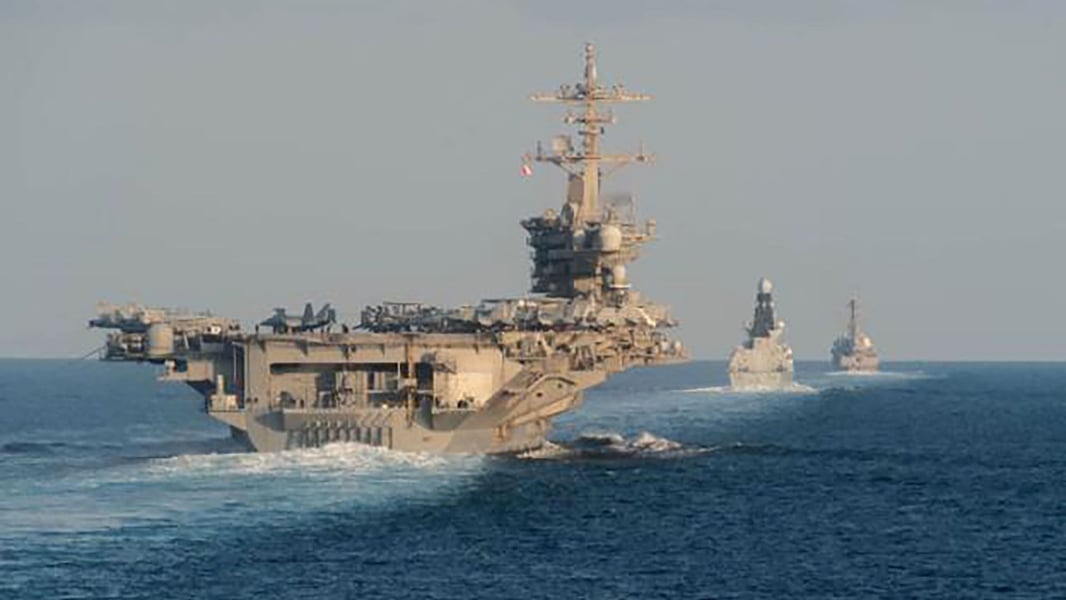
That question — what tools remain — is the one analysts say Washington cannot comfortably answer. Barbara Slavin, Distinguished Fellow at the Stimson Centre in Washington, told Al Jazeera the US has run short of leverage. Missile stockpiles have been depleted through six months of strikes. Strategic oil reserves have been drained. Aircraft carriers have remained on extended deployments beyond planned rotation schedules. “Iran is playing hardball here, clearly furious at the Trump administration for not fulfilling the MoU signed back in June,” Slavin said. “They’re making the international economy and they’re making Donald Trump sweat.”
Tehran, by contrast, has spent the past weeks consolidating its negotiating position. Earlier this month, Mohsen Rezaei — the former IRGC commander whose forces had already declared a $30,000 bounty on US troops in the Persian Gulf — was named head of Iran’s Supreme National Security Council, replacing a more moderate official. The appointment is designed, analysts say, to better coordinate military and civilian negotiating positions going into any future talks. Mostafa Khoshcheshm, a professor at the University of Applied Sciences in Tehran, told Al Jazeera the appointment signals that Iran “believes it has the upper hand.”
Any new round of negotiations, Khoshcheshm said, would find Iran presenting a considerably longer list of demands: full sanctions removal, access to frozen assets that Washington never released under the MoU, an end to the Gaza war, a lifting of the Yemen blockade, and an Israeli withdrawal from southern Lebanon — a demand that ties the Iran file directly to Israeli strikes on Lebanon that have continued despite a nominal ceasefire.
Iran’s parliament speaker, Mohammad Galibaf, called the MoU itself “a source of pride and victory” on Saturday, declaring that the country “truly emerged victorious in this war, both militarily and politically.” That framing makes any future Iranian concession politically difficult — any deal that emerges will need to grant Tehran substantially more than June’s agreement did.
On the Hormuz dispute, both governments insist they control the waterway. The Pentagon confirmed this week that US forces fired on a Panama-flagged cargo vessel for “violating the US blockade against Iran.” Iran’s army commander, Major General Amir Hatami, declared that US forces had been “expelled” from the Persian Gulf entirely. According to Sputnik, Hatami stated that control of the Strait represents “one of the necessary conditions for ending the war.” Iran and Oman have been quietly negotiating a separate arrangement for Hormuz shipping routes, though that agreement remains pending final approval from Tehran’s Supreme National Security Council.
Slavin predicted the conflict would ultimately “resolve through a deal, probably after our midterm elections, when there will be less of an impact on the vote.” She said Iran would ultimately be reimbursed for war damages and gain substantial Hormuz control — terms requiring Washington to concede far more than it was prepared to offer in June. Whether Trump, with depleted military options and a restless economy, can deliver that concession before November 2026 is a question his administration has not answered.
What Monday’s deadline makes plain is that the June agreement was never a real peace. It was an operational pause that neither side honored and neither formally ended until the calendar did it for them. The Iran-US war is ongoing, the strait is contested, and the next agreement — whenever it comes — will need to resolve what June’s deliberately left open.