
RIYADH – Saudi Arabia’s cabinet moved quietly on Saturday, but the message was legible to anyone watching Riyadh’s institutional architecture: King Salman gave his son more power.
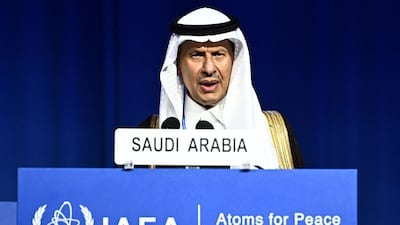
Royal decrees published by state media appointed Energy Minister Prince Abdulaziz bin Salman to the additional post of Minister of Industry and Mineral Resources, placing two of the kingdom’s most consequential economic portfolios in a single pair of hands. In the same order, Bandar Alkhorayef was removed as Industry Minister and named Acting Governor of the General Authority for Military Industries, filling a seat left vacant by Ahmed Al Ohali’s dismissal.
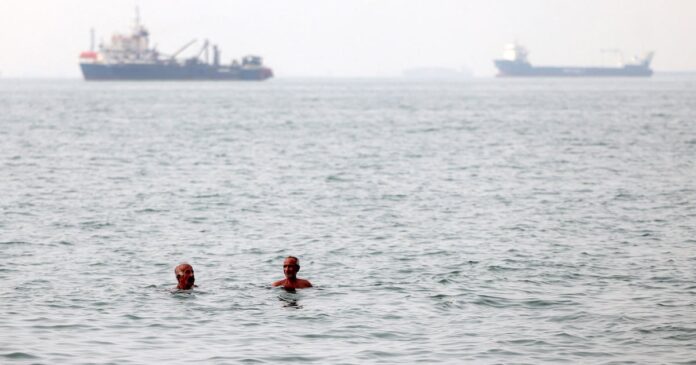
The consolidation arrives as Saudi Arabia faces a test it was not designed to absorb at this speed. The Strait of Hormuz formally closed on Saturday after Iran’s Revolutionary Guards struck a Cyprus-flagged container ship, removing the waterway through which a fifth of global oil and gas supplies had transited before the Iran war began on February 28. Gulf producers, Saudi Arabia among them, have been forced to cut crude exports since.
Riyadh’s response has been structural rather than reactive. Prince Abdulaziz took the energy brief in 2019, inheriting a ministry that had watched OPEC’s influence erode during the US shale boom and then saw demand collapse in the pandemic. He rebuilt OPEC+ production coordination with Russia, shepherded successive voluntary output cuts that steadied Brent’s floor, and navigated a coalition regularly pulled in different directions by members’ fiscal needs. He does all of that now while also running the manufacturing and resource-extraction side of the Saudi economy.
Industry and Mineral Resources is not a marginal assignment. Saudi Arabia holds some of the world’s most significant known deposits of phosphate, bauxite, and gold, alongside its oil reserves. Vision 2030 has identified mining as a priority investment sector, with official government targets calling for substantial output growth by 2030. Putting the same minister in charge of fossil-fuel income and nascent industrial diversification suggests Riyadh wants tighter coordination between the two, particularly as the Hormuz closure makes export revenue harder to predict month to month.
The Alkhorayef-to-GAMI transfer is the appointment’s less-noticed strand. The General Authority for Military Industries was created in 2017 as Saudi Arabia began investing in domestic defence manufacturing capacity to reduce its dependence on foreign suppliers. Ahmed Al Ohali’s dismissal from the GAMI governorship, followed immediately by Alkhorayef’s arrival as acting replacement, signals that the authority’s performance is under review at a level closer to the top of the decision-making chain.
Fitch Ratings has maintained its credit view on Saudi Arabia, The National reported, but the agency sees the Arab world’s largest economy slowing in 2026. The Hormuz crisis has compressed export revenues, and no clear exit timeline has been identified.
For OPEC+, the structural problems are shared widely but unevenly. The coalition approved a fifth consecutive monthly production increase for August. Saudi Arabia’s assigned quota sits above what the kingdom currently produces, a gap shaped by the closure of its primary maritime export route. Iraq’s northern crude exports through the Ceyhan pipeline are being extended on emergency 12-month terms for similar reasons. Saudi Arabia has not publicly identified which secondary export routes are substituting for the Hormuz lanes.
What the decree does not say matters as much as what it does. There is no indication that Prince Abdulaziz’s energy responsibilities are being reduced or redistributed. He carries both portfolios simultaneously. Whether one minister can sustain the daily demands of oil-market engagement with OPEC partners, international majors, and a war-disrupted shipping environment, while also overseeing a manufacturing base with ambitious diversification targets undergoing a leadership transition, is a question Riyadh has answered by appointment rather than by explanation.
Consolidating authority can signal decisiveness. It can also signal that the previous institutional arrangement was not delivering results quickly enough. In Riyadh, both can be true at once, and neither is usually confirmed publicly.
What is certain is the date. The dual appointment landed on the same day Iran’s military formally declared the Strait of Hormuz closed. The two events are not known to be linked. They are, however, both part of the same regional disruption that has required Saudi Arabia to reorganize faster than its institutions were designed to move. Whether Prince Abdulaziz’s expanded portfolio accelerates that adjustment is the question the decree opens without answering.