
WASHINGTON – A Reuters photographer caught US Treasury Secretary Scott Bessent walking to a meeting this week, notepad visible. The words on it were brief and direct: “buy $5-10 billion worth of Japanese yen.” That image, published Friday, converted months of diplomatic hedging into a confirmed currency operation.
The United States has directly purchased yen to arrest its depreciation against the dollar, the first documented US market entry of this kind in roughly 15 years. The move, coordinated with Japan’s Finance Ministry, marks the first confirmed US yen purchase since joint G7 action in March 2011, when Tokyo sought to contain the yen’s spike following the Tohoku earthquake.
Japan had already spent heavily before Washington joined. The Finance Ministry deployed ¥11.73 trillion, roughly $73 billion, in a record yen defense through May, working without US market participation and keeping its operations deliberately ambiguous, never naming a threshold that would give traders a target to position against. The yen stabilized briefly after each round but the underlying pressure never lifted. By July 23, it had fallen to 163.99 per dollar, its weakest point in nearly four decades, pushed lower by safe-haven dollar demand tied to the US-Iran war, rising oil import costs, and fiscal concerns over Prime Minister Sanae Takaichi’s domestic spending programs, which investors worried could widen Japan’s already substantial public debt load.
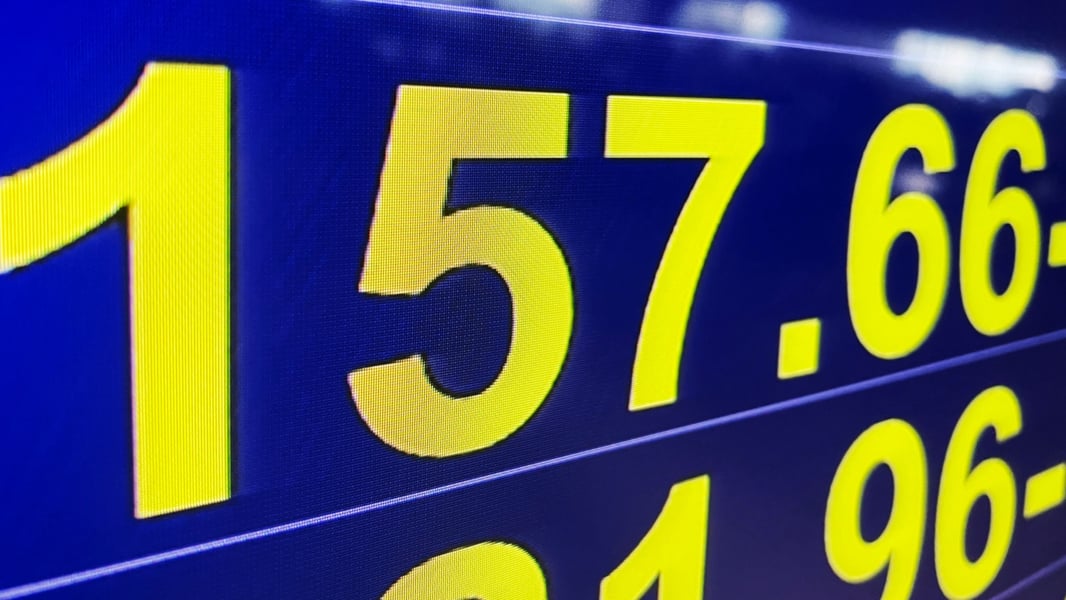
Japanese authorities intervened again on July 31. During New York trading hours, the yen surged nearly five points against the dollar in a 50-minute window, the pace of which indicated official action rather than investor repositioning. Finance Minister Satsuki Katayama declined to confirm the operation directly, maintaining the deliberate silence that her ministry adopted after the spring operations, a strategy designed to prevent markets from targeting any disclosed entry point. According to Anadolu Agency, the yen recovered to approximately 158.70 per dollar by Friday from a Tuesday intraday low of 163.86.
Bessent’s public remarks in the days preceding the Reuters photograph had already pointed beyond verbal support. He described the yen as “very undervalued” and called excessive volatility “unhealthy,” language Treasury secretaries typically use when preparing to act rather than observing. The New York Federal Reserve also conducted a dollar-yen rate check, a technical step that routinely precedes direct market intervention. The Fed has not confirmed any purchases independently.
Katayama confirmed that Tokyo has maintained regular dialogue with Bessent over the course of the yen’s decline, describing the bilateral conversation as important context for any intervention decision. The coordination implies the two governments agreed at minimum on timing, though the exact terms of the US commitment have not been disclosed publicly.
The structural pressure driving yen weakness has not been resolved by this week’s moves. The interest rate gap between the United States and Japan remains wide, with US benchmark rates substantially above Japan’s near-zero policy rate. That differential generates consistent returns for traders who borrow cheaply in yen and invest in higher-yielding dollar assets. The Bank of Japan held a policy meeting on July 31, the same day Tokyo intervened, with rate hike expectations running at the highest level since the central bank ended its negative rate experiment in 2024. Since faster BOJ rate hikes entered market pricing in late July, the yen has found more consistent support, but closing the structural gap between US and Japanese rates will take quarters, not days.
Japan’s import dependence amplifies every point of yen weakness. The country sources virtually all of its energy abroad, and each point of depreciation raises the yen-denominated cost of every barrel of crude it purchases. Japan’s annual import bill topped ¥53 trillion in the most recent fiscal year, a figure that tracks the exchange rate almost mechanically. Consumer prices have climbed for 14 consecutive months, driven partly by energy and food costs passed through from a weaker yen to retail shelves and utility statements.
The history of direct US yen purchases is short. Before the 2011 Tohoku operation, the last documented instance stretched back to interventions in 2000 and 2001, when the G7 moved to arrest euro weakness in the single currency’s early years. Before that, coordinated yen-dollar operations in the 1990s were aimed at containing yen appreciation that squeezed Japan’s export industries. The current situation is the reverse: the yen is too weak, and Washington is supporting rather than suppressing it.
According to Japan’s Finance Ministry, the full scope of intervention between June 29 and July 29 has been reported separately, but August operations have not yet been disclosed publicly. Japan typically publishes intervention totals with a one-month lag, meaning the scale of what Tokyo and Washington deployed last week will not be confirmed until September.
What the Reuters photograph established is that the yen’s defense is no longer a Japan-only operation. Washington, which had offered verbal support while staying out of the market, has stepped in directly. Whether the $5-10 billion order represents a one-time entry or the start of sustained US participation, and what Katayama’s ministry secured in exchange for Tokyo’s ongoing cooperation on currency matters, remains the question this week’s operation has not yet answered.