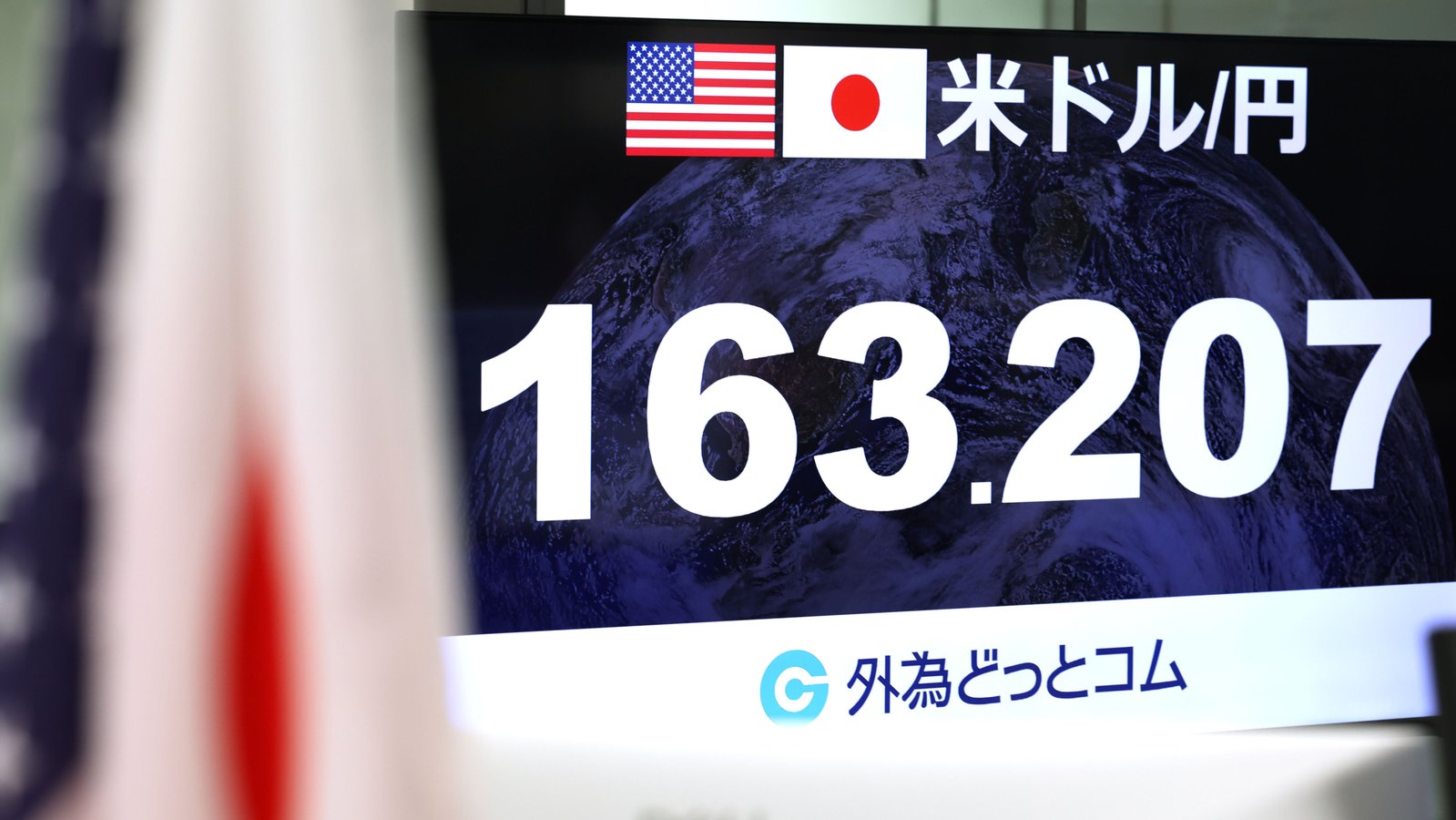

TOKYO – Japan’s yen recovered from a 40-year low on Wednesday after Bloomberg and Reuters both reported the Bank of Japan was open to raising interest rates faster than the once-every-six-months pace it has maintained since ending its long experiment with negative rates in 2024. The reports arrived without warning and moved markets before Tokyo’s lunch break, giving the yen its sharpest single-session recovery in weeks.
The yen had been sliding for weeks, pushed to levels not seen since the mid-1980s by a combination of forces that showed no sign of relenting. The US-Iran war had lifted oil prices to levels that Japan, which imports virtually all its energy, absorbed directly into every sector of its economy. The Federal Reserve showed little inclination to cut American rates. And the BOJ, which only recently ended the negative rate era, appeared determined to move carefully rather than risk domestic political backlash from a sudden tightening.
What Bloomberg and Reuters introduced on Wednesday was the possibility that the central bank had quietly reassessed. Both agencies cited people familiar with the BOJ’s internal deliberations who said the bank was open to raising rates faster than every six months. Neither source disclosed a specific rate target or confirmed a formal decision. The BOJ’s next policy meeting is scheduled for July 31.
For Japan’s finance ministry, the news served as a useful amplification of a position it could not itself declare. Finance officials had been characterizing the yen’s trajectory as “one-sided” — the standard formulation that markets interpret as a warning, as Nikkei Asia noted in its coverage of the currency’s descent — without being able to point to a BOJ accelerating its timeline. The Bloomberg report changed that calculus in a single morning.
Japan’s yen had lost more than 15 percent of its value against the dollar in the first half of 2026. At the 40-year low, it was trading above 165 yen per dollar. For a country that runs a structural trade deficit because of its energy dependence, that exchange rate does not merely affect exporters’ earnings reports. It affects the price of rice, heating oil, and school textbooks — all of which contain imported components whose costs rise mechanically when the yen weakens.
Japan had already committed its most aggressive currency defense of the modern era. The finance ministry had spent some $73 billion on Japan’s record currency market intervention, without being able to reverse the yen’s fundamental drift lower. Interventions slowed the decline; they did not stop it. The BOJ rate hike cycle was always the more durable tool. The question was whether Tokyo was willing to use it at a pace the market would respect.
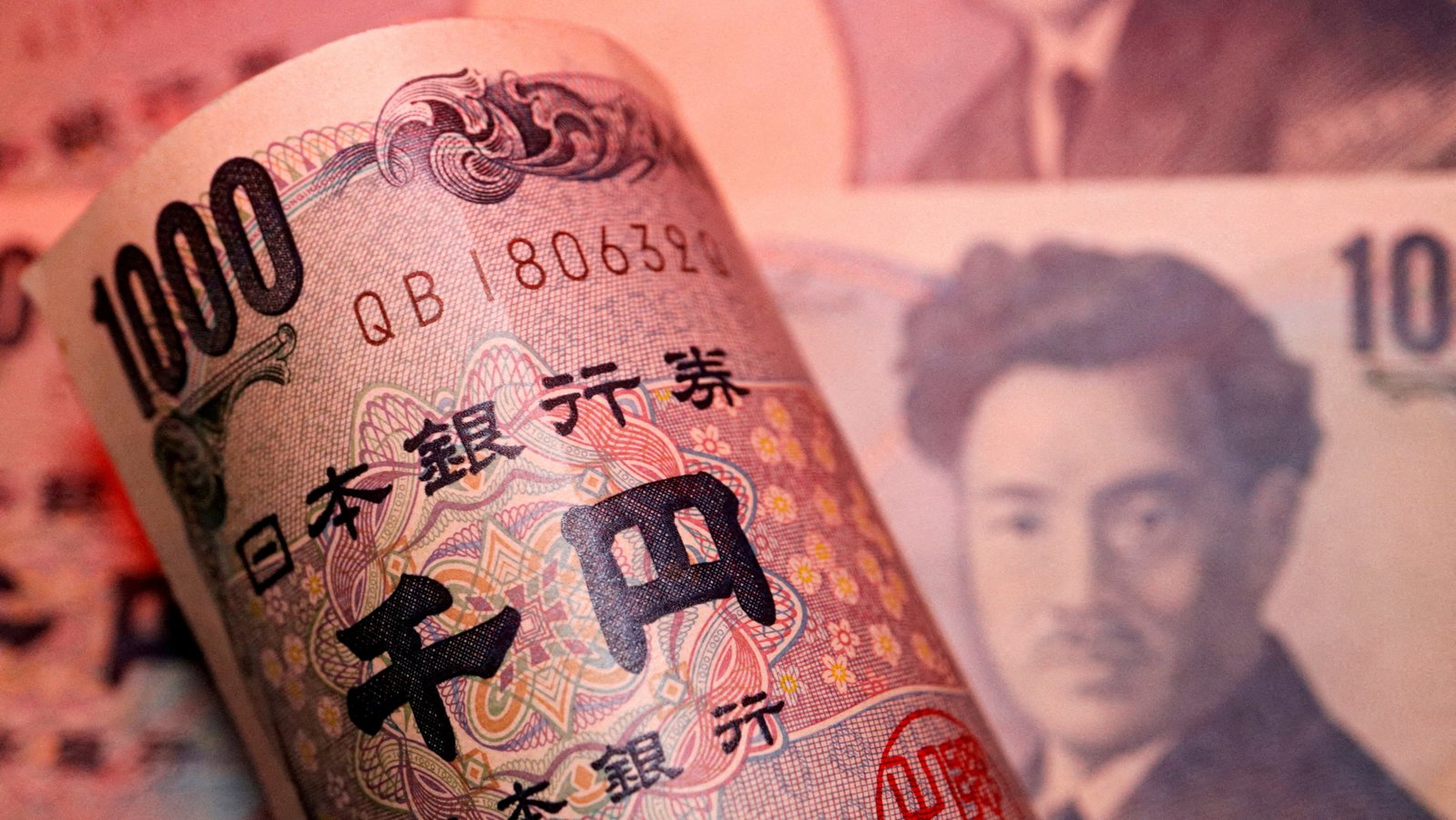
The BOJ’s rate hike cycle since 2024 had been calibrated against assumptions that no longer fully held. Japan’s energy import costs had surged alongside Brent crude topping $90 as the US-Iran war entered its second month. Wage growth was running at levels not seen since the bubble economy of the late 1980s. Inflation had remained above the BOJ’s 2 percent target for months, driven by food, energy, and logistics costs that domestic producers had largely passed on to households.
“The question was never whether they would hike again,” said one Tokyo-based fund manager, speaking without authorization to be named. “The question was whether the pace was fast enough to matter.”
The yen’s recovery on Wednesday — roughly 1.5 yen against the dollar in the two hours after the Bloomberg report landed — was notable less for its scale than for its speed. Options traders covering short-yen positions moved first. Real-money accounts in Tokyo followed. The reaction suggested the market had been waiting for exactly this kind of signal, positioned for a yen recovery that had been intellectually obvious but practically absent.
Japan’s import-dependent industries absorbed the news with something between relief and caution. Trading houses that had been locking in dollar hedges at 165 yen needed to reprice. For household consumers, who had watched food and utility bills climb every month since the Iran war began, the yen’s single-session recovery was unlikely to translate into immediate retail relief. Currency gains typically take months to flow through to store prices, and no merchant was announcing discounts on Wednesday afternoon.
Japan’s position in the global rate cycle has been unusual for over a decade. While every other major central bank raised rates aggressively through 2022 and 2023, the BOJ held to its yield curve control policy, keeping 10-year government bond rates capped at nominal levels. That divergence between Japanese and American rates was the structural engine of the yen’s decline, and two BOJ hikes since 2024 had barely narrowed it.
What the Bloomberg and Reuters reports suggest is that the BOJ now believes the divergence has gone too far and the correction pace too slow. Whether the July 31 meeting delivers a faster hike, or whether Governor Ueda uses the session to signal a September move while keeping his options open, is the question Japanese markets will be trading around until the decision is announced. What this week’s yen recovery has established is that the market does not need a confirmed hike to react — it needs only the credible possibility of one. The BOJ has, apparently, provided it.