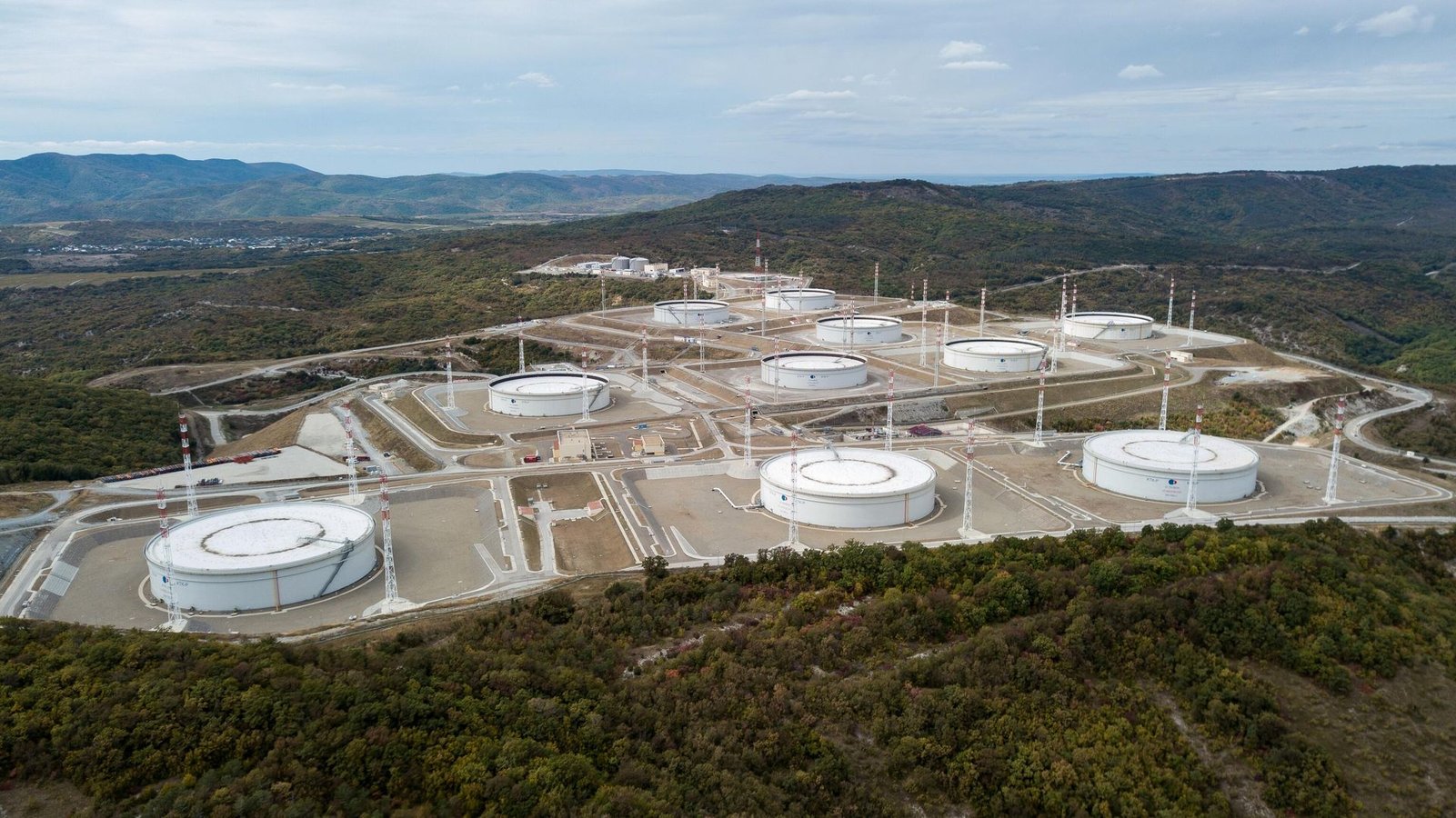

MOSCOW — Seven of the most consequential oil producers in the world met on Sunday and decided, as they have been deciding at roughly monthly intervals since early 2026, to pump a little more. Russia, Saudi Arabia, Iraq, Algeria, Kuwait, Kazakhstan, and Oman agreed to raise their combined permitted production by 188,000 barrels per day from August levels, according to an OPEC+ statement, as TASS reported. Russia’s individual share of that increase is 62,000 barrels per day, lifting its permitted ceiling to 9.949 million barrels per day for September.
The decision continues a phased unwinding of the voluntary output restrictions the eight-member group implemented to stabilize oil prices during the market weakness of 2023. At a meeting earlier in 2026, the group agreed to begin rolling back those cuts incrementally. Sunday’s September figure is the latest step in that sequence — not a policy reversal, not a dramatic intervention, but a continuation of a trajectory toward higher output that the group established months ago and has been executing on schedule.
The market into which those additional barrels arrive has been disrupted by events that no production quota can resolve. The US naval blockade of Iran, now in its third week, has redirected commercial shipping in the Persian Gulf, elevated war-risk premiums on tankers, and constrained Iran’s ability to export the oil it is theoretically permitted to produce. Iran is an OPEC member, and its practical export capacity has been reduced by the blockade. The production increase agreed Sunday comes entirely from non-blockaded producers — it partially offsets the Iranian supply disruption without resolving it.
Brent Crude has been trading with a risk premium built into it since the Hormuz closure began. The precise effect of Sunday’s OPEC+ decision on the forward price will depend on how the market balances the additional supply from the seven participating producers against the continued constraint on Iranian flows. Analysts tracking the group’s output decisions have generally characterized the current pace of unwinding — roughly 188,000 barrels per day per month — as calibrated to be absorbed without dramatic price moves, on the assumption that global demand growth continues at roughly its current rate.
Russia’s ability to actually produce at its permitted ceiling has been a persistent question in the market since 2022. Western sanctions targeting Russian oil infrastructure, shipping insurance, and financial services have created friction in Moscow’s ability to sell oil at international prices. The shadow fleet of uninsured tankers and alternative buyer relationships in India, China, and other Asian markets have kept Russian export volumes meaningfully higher than Western policymakers hoped the sanctions would achieve. But Russia has at times underproduced relative to its OPEC+ quota, and verification of Russian production figures depends on Russian government reporting rather than independent auditing.
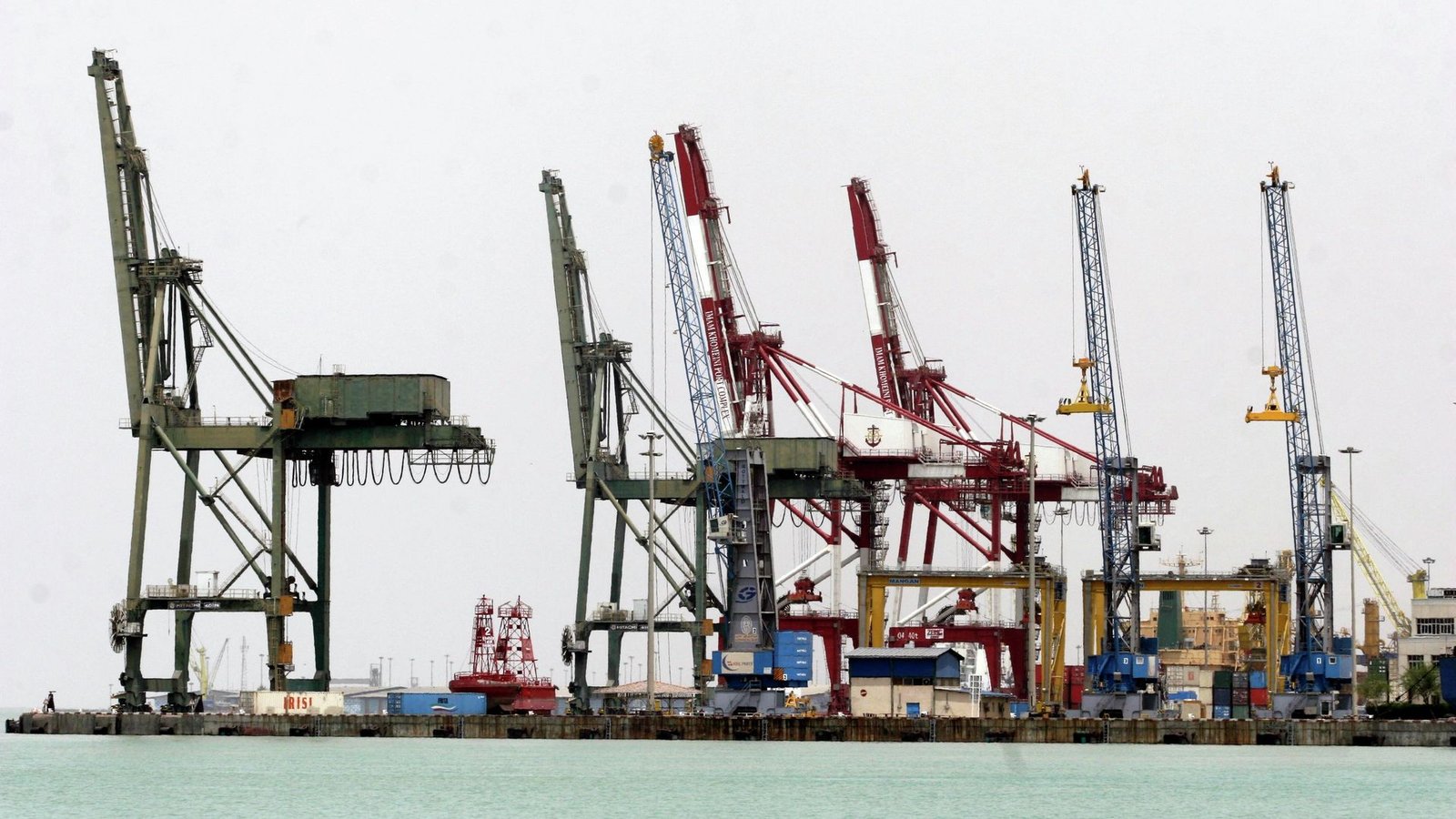
Sunday’s OPEC+ meeting produced no public statement from Saudi officials on the rationale for the September increase beyond the standard formulation. Saudi Arabia, as OPEC’s de facto swing producer, sets the political tone of production decisions even when the arithmetic is driven collectively. The kingdom’s interest in maintaining group cohesion — which has been stressed by compliance disputes and price disagreements in past years — typically leads it to accommodate the preferences of the group’s broader membership on the pace of unwinding, provided those preferences do not destabilize prices in ways that damage Saudi fiscal planning.
The broader European energy picture provides context for where Sunday’s decision sits. Europe’s LNG imports fell to their lowest monthly level since September 2024 in July, as Asian demand pulled flexible cargoes away from European terminals. The gas and oil markets are distinct instruments, but both reflect a global energy environment in which supply decisions by a handful of large producers retain disproportionate influence over price formation. The EU ban on Russian LNG short-term contracts, which took effect in April, has added modest upward pressure to European spot gas prices — a dynamic that runs roughly parallel to the Hormuz-driven premium in oil.
What Sunday’s meeting left unresolved is the longer-term structural question of OPEC+ cohesion. Several members have exceeded their quotas in recent months, triggering compensation-cut obligations that have not been fully honored. The group’s enforcement mechanism — peer pressure combined with the threat of Saudi Arabia flooding the market if cheating becomes too widespread — has shown strain in past episodes. Whether the current pace of incremental monthly increases can be maintained through the full unwinding cycle without triggering a compliance crisis is the question the OPEC+ statement does not address.
For Russia, the September ceiling of 9.949 million barrels per day represents a target rather than a guarantee. The actual production number Russia posts in September will depend on the operational state of its oil fields, the availability of export infrastructure, and the ability of the shadow fleet to absorb Russian crude at competitive prices in Asian markets. The number agreed on Sunday is what Russia is permitted to pump — the question of how much it actually will is one that the oil market will resolve in the weeks ahead.