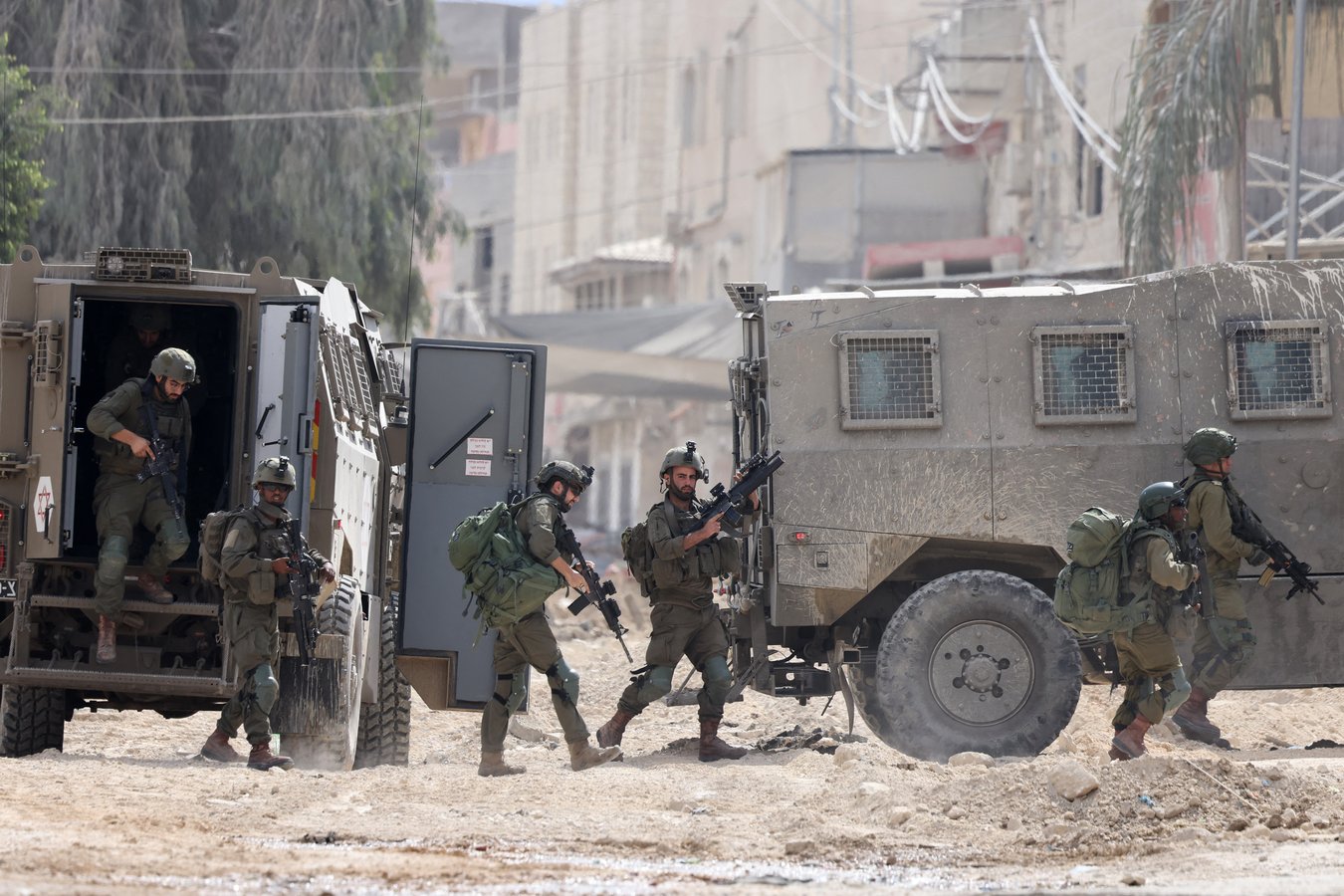

RAMALLAH – A 16-year-old from Wadi Fukin, in the Bethlehem governorate, was pulled from his home by Israeli forces in the early hours of August 1, one of two teenagers arrested during a night of raids that stretched across three West Bank governorates. On the same morning, armed settlers burned vehicles in Surif, assaulted a couple on their farmland near Beitillu, pepper-sprayed three young men after ramming their car near al-Mughayyir, and chased and beat eleven workers in the Hebron area. In the village of Asira ash Shamaliya, Israeli forces converted a Palestinian home into an improvised interrogation center.
Seven Palestinians were detained in the overnight operations. The second teenager, also 16, was taken from Tammun in the Tubas governorate to the north. Four others were arrested in the Nablus-area villages of Urif, Einabus, and Burqa. A seventh Palestinian was detained at the Container Checkpoint near Bethlehem. No charges were publicly disclosed for any of them.
The operations unfolded as Palestinian documentation recorded more than 11,000 attacks by Israeli forces and settlers in the West Bank in the first six months of 2026, averaging more than 60 incidents per day. The category spans arrests, incursions, demolitions of homes and agricultural land, settler violence, and checkpoint closures. In the seven days ending August 1 alone, settlers erected 12 new illegal outposts, according to Israeli rights organizations tracking settlement expansion. UN Secretary-General António Guterres warned last month that “settler violence and forced displacement are accelerating alongside plans to expand and legalise outposts, all of which the UN maintains have no legal validity under international law.”
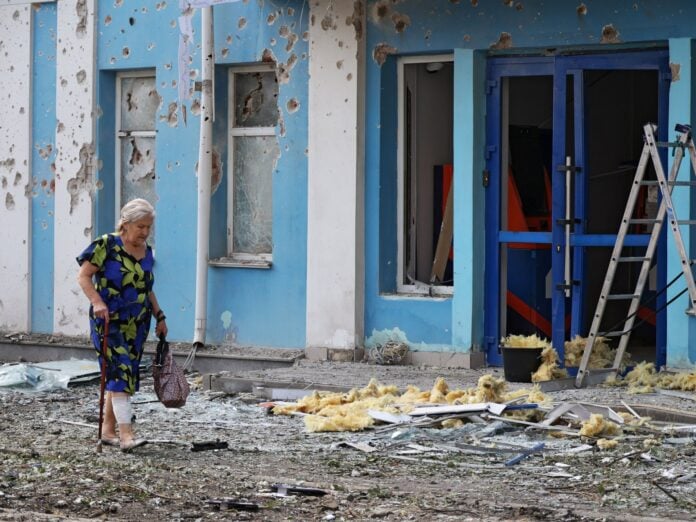
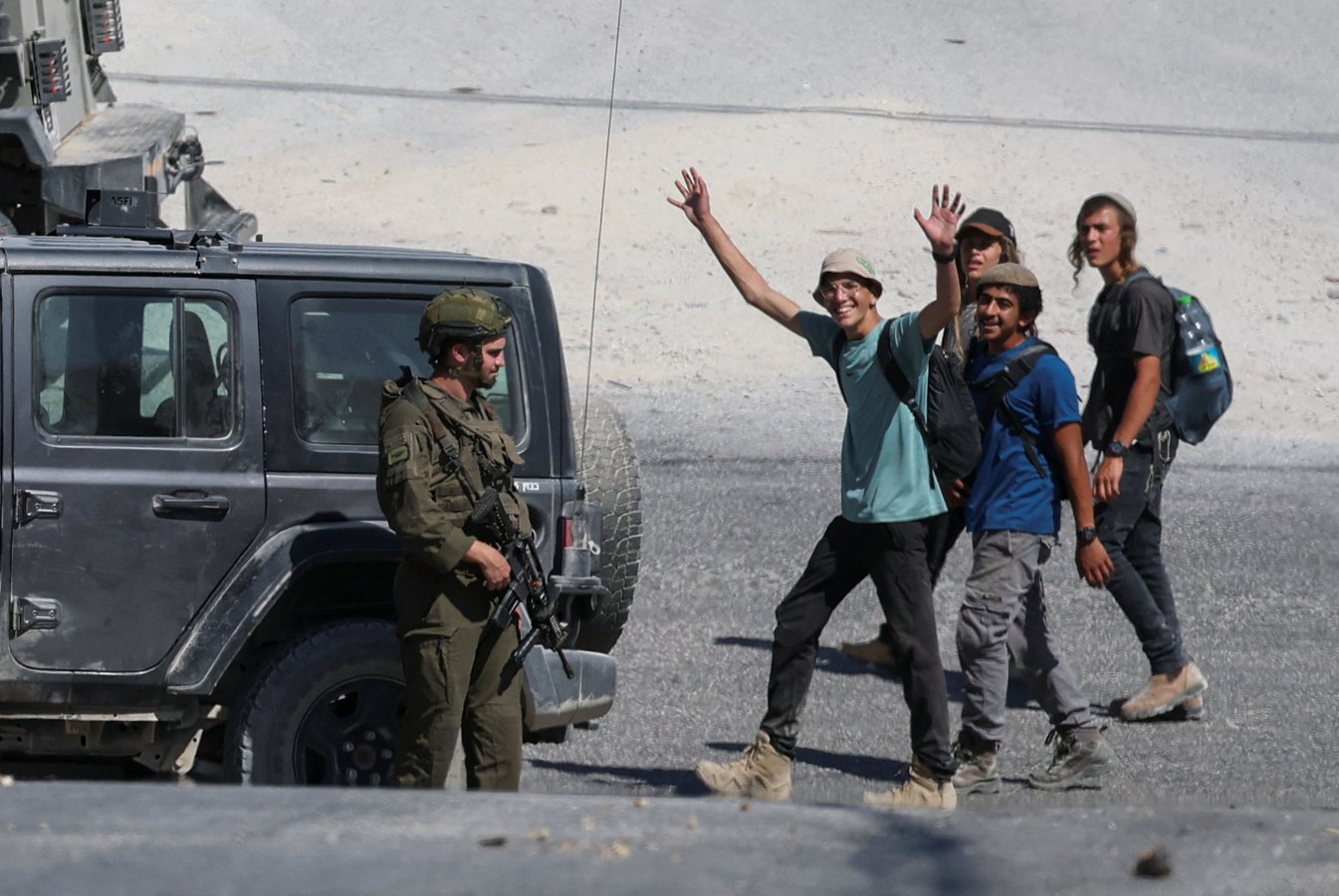
The simultaneous settler attacks on August 1 documented at least four separate incidents within the same 24-hour window. Settlers from the Bat Ayin settlement set fire to vehicles in Surif, damaging property and spray-painting racist graffiti. Near Khashem al-Daraj in the Hebron area, where settlers have repeatedly targeted Palestinian farmers, eleven workers were chased and beaten. The attacks carry a pattern international monitors have documented for years: settler violence in the West Bank is rarely prosecuted by Israeli civilian courts, and the rate of incidents has accelerated markedly since October 2023.
The conversion of a civilian home in Asira ash Shamaliya into an interrogation center represents a practice documented by rights organizations and condemned under the Fourth Geneva Convention’s prohibition on collective punishment of civilians in occupied territory. Residents told Al Jazeera that dozens of homes were stormed overnight, with soldiers holding families inside while conducting searches and questioning those detained.
The broader military context of August 1’s arrests is Operation Iron Wall, the Israeli campaign in the West Bank launched in January 2026. The operation has targeted refugee camps and built-up areas in Jenin, Tulkarm, and Tubas through ground incursions, drone strikes, and bulldozers in populated areas. Tens of thousands of Palestinians have been displaced from the Jenin and Tulkarm refugee camps since January, representing one of the largest forced displacement events in the West Bank since 1948. The military has framed the campaign as targeting armed groups; rights organizations have documented the destruction of civilian infrastructure alongside it. Israel’s concurrent campaign in Gaza has killed more than 73,000 Palestinians since October 2023, continuing under a nominal ceasefire.
Palestinian rights groups document that minors detained under Israeli military orders are typically transferred to facilities inside Israel itself, including Ofer Prison near Ramallah or Megiddo Prison, in violation of the Fourth Geneva Convention, which prohibits transferring civilian detainees from occupied territory. Trials proceed in Israeli military courts where conviction rates exceed 99 percent. Administrative detention orders, renewable without trial, are available under Israeli military law and regularly applied to Palestinians, including minors, without disclosed evidence. Analysts examining Israeli ceasefire terms this week concluded that Netanyahu’s conditions for any withdrawal from Gaza were structured to ensure they could never be satisfied, while West Bank settlement expansion has continued without pause through the entire negotiating period.
The international political response to the week’s West Bank operations was measured. British Prime Minister Andy Burnham described the humanitarian situation as “unacceptable” and said his government was weighing further measures, including possible restrictions on arms exports tied to Israeli settlement activity. His office did not provide a timeline. The United States government issued no specific statement on the August 1 detentions.
What remained unknown by the end of August 1 was any information about the two teenagers arrested before dawn in Wadi Fukin and Tammun: their names, the precise basis for their detention, their current location, or when, if ever, their families were formally notified. Palestinian families of detainees say notification often comes days after arrest, if at all. Twelve illegal outposts erected in seven days, 11,000 recorded attacks in six months, two teenagers taken before dawn: the West Bank’s August opened the way its first half had closed, without any visible mechanism to alter its direction.