
MADRID – Oscar Puente did not name names. The Spanish transport minister’s reply to Israel’s United Nations ambassador on Friday was economical: three words and a period. “Well, it all seems to be becoming quite clear,” he wrote. Behind that sentence was an accusation now being spoken openly by senior Spanish officials: that Israel seized on the worst migration emergency in Ceuta’s modern history to punish Madrid for recognizing Palestine.
As Spain deployed soldiers and drones to its North African enclave and the death toll from the crossing climbed past 67, Israeli Ambassador to the United Nations Danny Danon posted a public jab at Madrid’s predicament. “Spain, which never misses an opportunity to lecture Israel,” Danon wrote, “has declared a state of emergency in Ceuta.” He then pressed Madrid to “explain to the world why it still maintains colonial enclaves in Africa” before offering views on Israeli policy. The framing transformed a humanitarian emergency into a diplomatic counter-attack.
Spanish officials have not formally accused Israel of orchestrating the migrant surge. What they filed, in a parliamentary motion submitted by Sanchez’s ruling Socialist party on Friday evening, was a request for an emergency session on “foreign interference” in the crisis. The centre-right Popular Party had not endorsed the request as of Saturday morning.
Spain’s relationship with Israel had already deteriorated sharply before this week. Madrid formally recognized Palestinian statehood in May 2024, among the first Western European governments to do so. Sanchez’s government has been among the most consistent voices within the European Union calling for a halt to arms transfers to Israel and, more recently, for international legal accountability over what Spain’s foreign ministry describes as a genocide in Gaza. Israel’s UN ambassador appeared to be addressing precisely that record when he chose the moment of a Spanish national emergency to press the question of colonial hypocrisy.
Journalist Jose Vizner went further, citing a 2019 social media post attributed to Yair Netanyahu, son of Israeli Prime Minister Benjamin Netanyahu, in which the younger Netanyahu reportedly expressed support for separatist movements in Ceuta and Melilla, Spain’s two enclaves in Morocco. If that sentiment predated the crisis by years, according to TRT World’s analysis of the diplomatic fallout, Danon’s intervention reflected deliberate policy rather than opportunism. Israeli officials did not respond to the characterization.
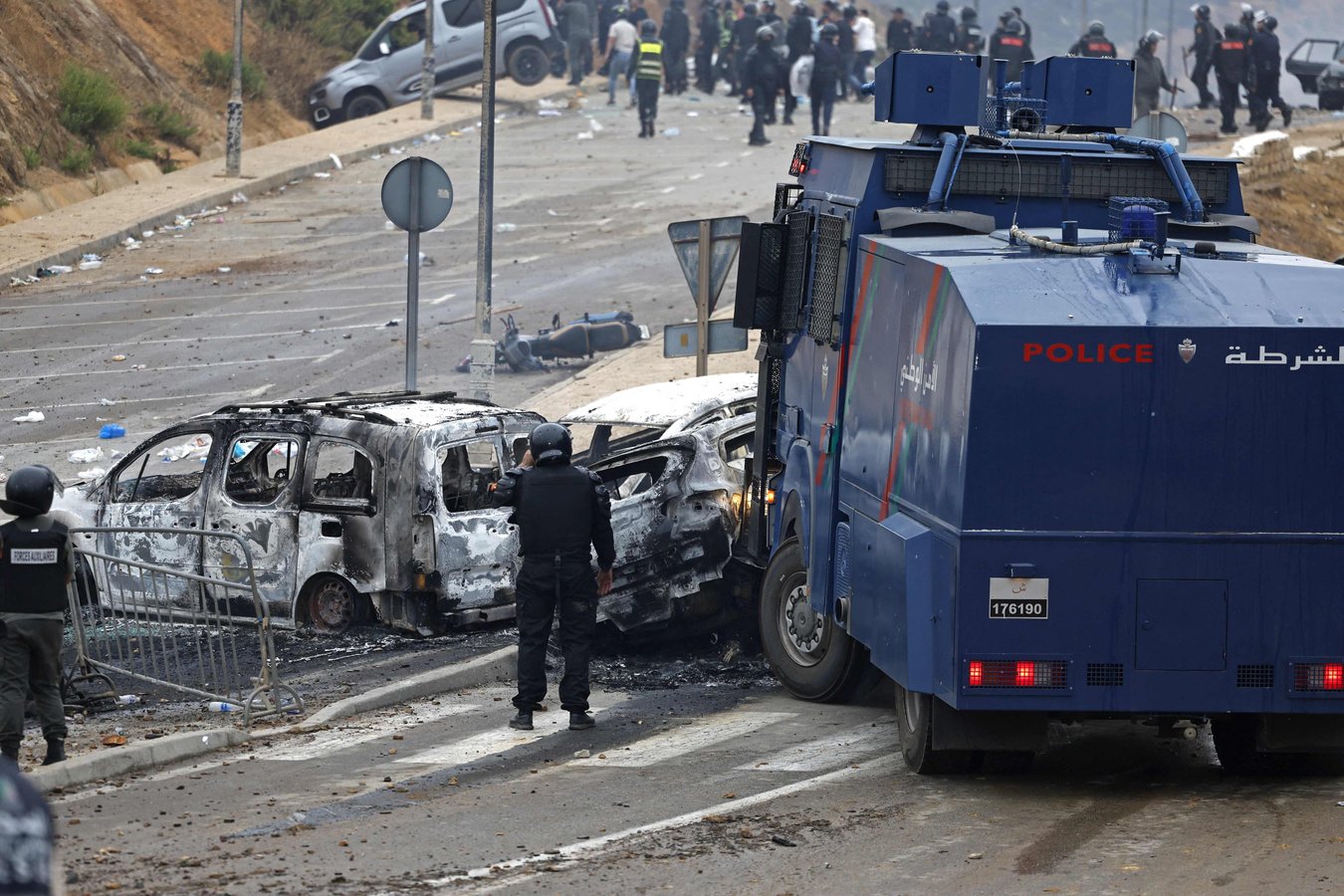
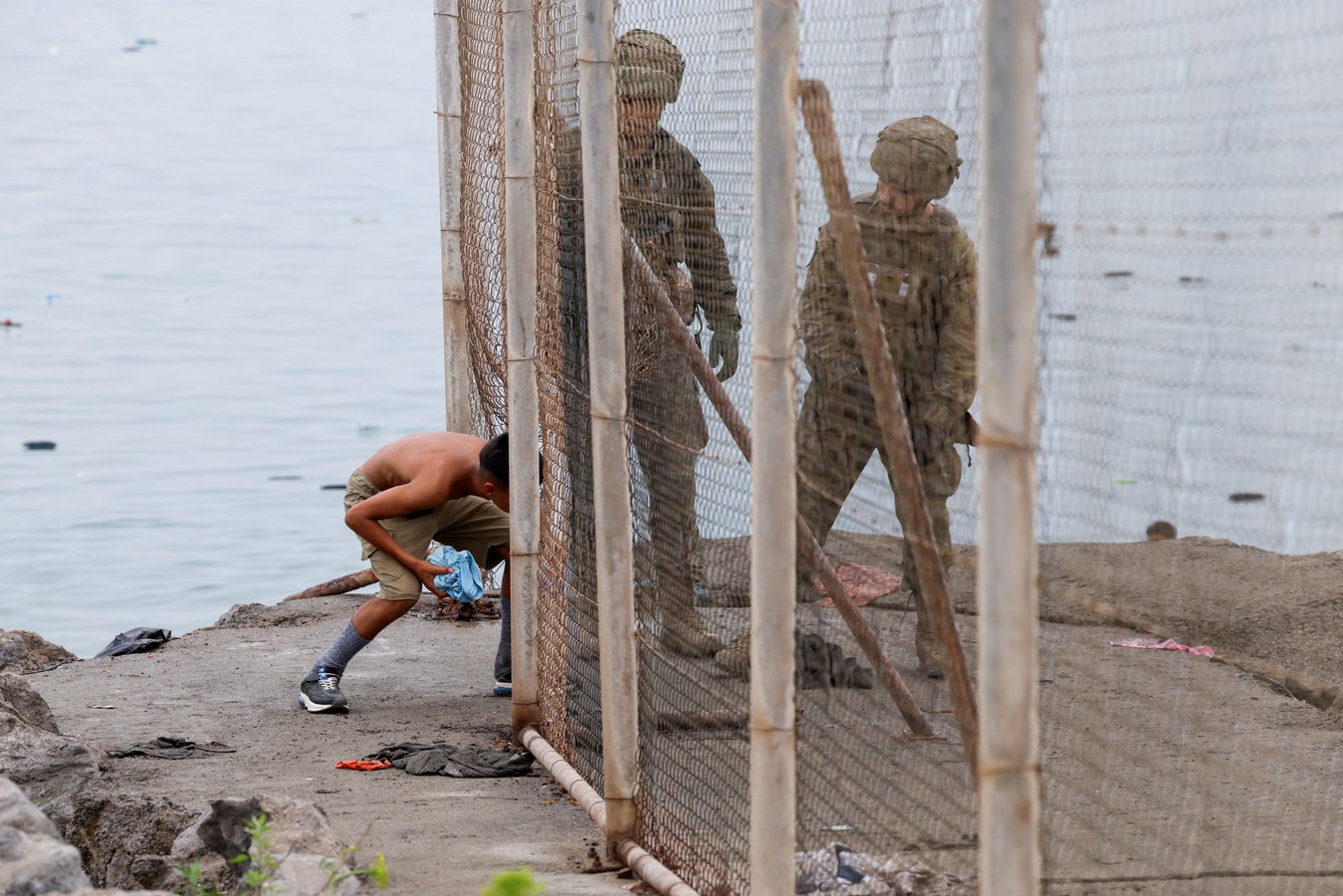
The scale of the Ceuta crossing gave the diplomatic context explosive charge. According to Spain’s interior ministry, approximately 60,000 people crossed into the territory from Morocco over the course of the emergency, a figure representing nearly 70 percent of Ceuta’s regular population. Interior Minister Fernando Grande-Marlaska confirmed by Saturday that the situation had been “almost entirely reversed,” with most migrants returning to Morocco. AFP confirmed at least 67 deaths during the crossing, many while swimming around a coastal barrier in the Mediterranean.
The European Union’s response divided the bloc. Twenty-two member states called for an emergency interior ministers’ meeting. France raised its police presence at its border with Spain fivefold to 334 officers. Italy suspended its Schengen agreement with Spain for one month after Prime Minister Giorgia Meloni invoked Article 25 of the Schengen Borders Code. Sanchez wrote to European leaders Friday evening criticizing what he called the “selfish” reaction of partners who offered recriminations rather than burden-sharing. As EH reported, Italy’s Schengen suspension marked the first time a member state invoked internal border controls against another in response to a third-country migration event at an external EU border.
Morocco’s position remained contested. Rabat’s ambassador to Spain said the crossings occurred “against Morocco’s wishes.” Human rights activist Achraf Maimouni said people-smuggling networks had misrepresented a Spanish Supreme Court ruling, which barred summary deportations of migrants intercepted at sea, as a de facto legal entry to the European Union. Spain’s interior ministry attributed part of the surge to the same misinformation, while declining to address how 60,000 people concentrated at the Ceuta fence within a compressed timeframe without apparent security intervention.
EH had previously reported on Ceuta’s initial surge, which killed 18 and brought 49,000 people across the border before the full count was established. The diplomatic aftershock now extends beyond the migration crisis itself. Whether Danon’s public attack was opportunism or something more deliberate is a question Spanish authorities say they intend to pursue through the emergency parliamentary session.
What remains unresolved is the gap between exploitation and orchestration. Spain’s government has declined to allege direct Israeli coordination with smuggling networks or Moroccan border officials. Its accusation is narrower: that Israel chose the moment of a migration emergency, in which 67 people died, to press its case against a European government that has taken Europe’s most outspoken position on Palestine. Why that moment, why those words, and who else was aware of what Danon planned to say are the questions the parliamentary inquiry will be asked to answer.