
MOSCOW — Cuba’s electricity crisis is no longer just a Cuban problem. As far as Moscow is concerned, it is a line item on the diplomatic agenda between the Kremlin and the White House.
Russian Deputy Foreign Minister Sergey Ryabkov told reporters on Monday that the question of American pressure on Cuba has become a formal part of Russia’s contacts with the United States — the first public confirmation that the two countries are directly discussing the island’s fate rather than simply trading accusations across diplomatic channels.
“The issue of pressure on Cuba from Washington is present in our contacts with the Americans,” Ryabkov said, according to RIA Novosti. He declined to detail what had been raised or how Washington had responded. What he was willing to say: “Our approaches are radically different.”
The remark is a narrow window into a diplomatic channel that neither side has been eager to describe in public. Russia and the United States have been holding what Ryabkov earlier described as “quite intensive and constant” high-level contacts in recent months, spanning Ukraine, arms control, and the broader question of Moscow’s relationships in the Western Hemisphere. The inclusion of Cuba in those exchanges — even briefly — marks a formal escalation of the island’s status in superpower diplomacy.
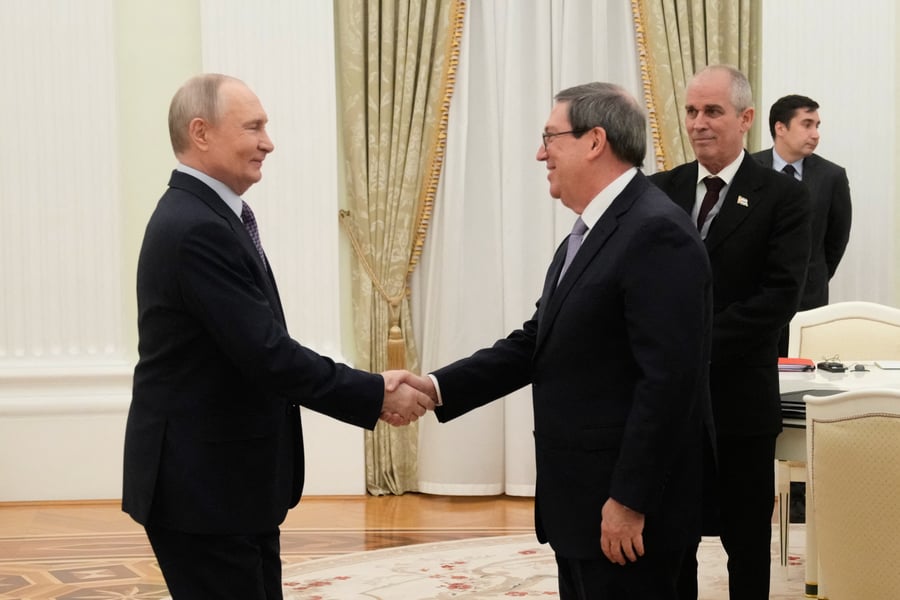
Cuba has been under a tightening U.S. oil embargo since President Donald Trump moved to cut off fuel shipments early this year. The blockade has produced rolling blackouts across Havana, strict gasoline rationing, and what Cuban officials describe as the most severe energy crisis in decades. Moscow has pushed back at every turn. In February, Russian President Vladimir Putin called the U.S. restrictions “unacceptable” at a Kremlin meeting with Cuba’s then-foreign minister, Bruno Rodriguez. In April, Ryabkov himself traveled to Havana and told reporters Russia would “never abandon or betray” the island — a rare piece of language from a diplomat not given to theatrical declarations.
Monday’s statement takes that commitment somewhere new. Declaring Cuba part of the bilateral agenda with Washington is not the same as defending an ally in public speeches. It means Moscow is prepared to make the island’s treatment a cost — or at least a variable — in whatever negotiating space exists between the two governments.
Ryabkov left the geometry of that space deliberately vague. He said Russia is “not indifferent” to Cuba’s circumstances and understands “the totality of circumstances” surrounding the blockade, which he described as illegal. He offered nothing about what Russia has asked for, what Washington has offered, or whether there is any shared understanding on the way forward. The Washington side has not commented.
The backdrop matters. A Russian tanker, the Anatoly Kolodkin — operating under U.S. and European sanctions — docked in Cuba on March 31 after Washington granted a narrow exception allowing the crew to unload roughly 730,000 barrels of crude oil, the first delivery in three months. The exception was not explained publicly. It is not clear whether it was discussed in the contacts Ryabkov referenced Monday, or whether it was a separate accommodation. What is clear is that Washington was willing, at least once, to allow sanctioned Russian oil to reach Havana.
The broader context of U.S.-Cuba tensions has only grown more complicated since Secretary of State Marco Rubio claimed last month that Cuba had accepted a $100 million American aid offer — a claim Havana has treated with visible ambiguity. The Trump administration has made clear it wants leadership change in Havana by year’s end. Cuba’s government has refused to engage that demand while remaining open to trade discussions. Russia, whose diplomats have accused Washington of economic warfare against Cuba at the BRICS foreign ministers summit in New Delhi earlier this month, is watching all of it.
Ryabkov’s language on Monday suggested Moscow views Washington’s posture as cynically inconsistent. “We are outraged by the level of cynicism with which the U.S., on one hand, tightens the blockade, which is absolutely illegal and unacceptable from all points of view, and on the other hand, demonstrates what it considers readiness for dialogue,” he told reporters in earlier remarks published by GlobalSecurity.org.
The charge encapsulates a core tension in the Russia-U.S. relationship right now: Moscow and Washington are talking across a growing number of channels — on Ukraine, nuclear arms, and now Cuba — without resolving the underlying conflicts that make those talks necessary. Whether putting Cuba formally on that list of active issues represents a diplomatic opening or simply an additional complication is something neither side appeared willing to clarify on Monday.
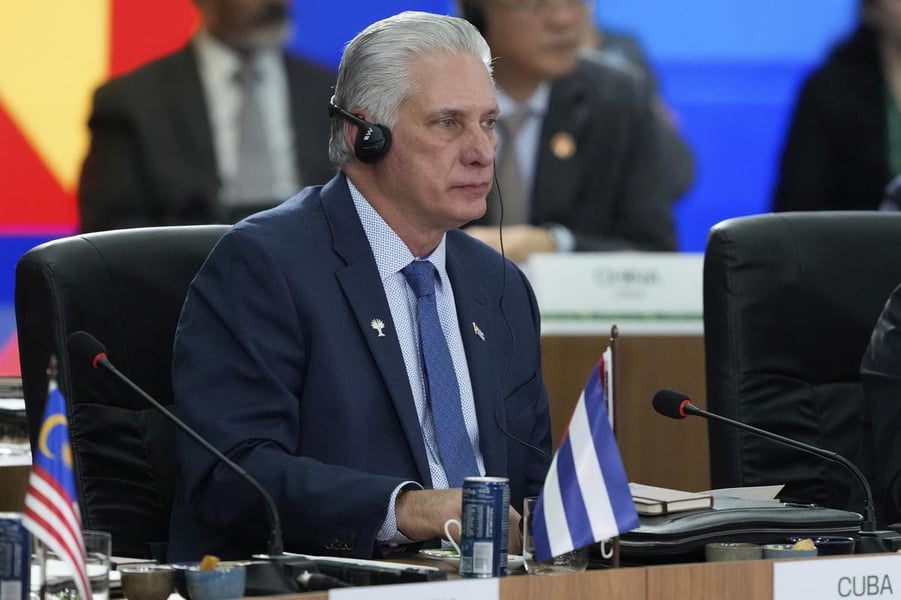
Russia has been in contact with Cuban leadership at a pace that Ryabkov described in April as unusually intensive. Cuba’s deputy prime minister visited Moscow four times in recent months. Ryabkov met President Miguel Diaz-Canel directly in Havana during the April trip, where he described the conversations as “extremely businesslike” — focused on energy, trade, and the specifics of surviving the blockade rather than on ceremony. What he did not say then — and what Monday’s remarks begin to suggest — is that some version of those specifics has now found its way into talks with the Americans.
What exactly Russia has put to Washington about Cuba, and what Washington has put back, remains unknown. Ryabkov’s deliberate vagueness on the details is either diplomatic discretion or an indicator that the discussions have not produced much. Probably some of both. In the meantime, the lights in Havana are still going out.
Russia’s separate push to advance its Ukraine counterproposal ahead of scheduled peace talks suggests Moscow calculates it has enough diplomatic leverage with Washington to raise multiple fronts simultaneously — Cuba among them.
—Inputs from Sputnik.