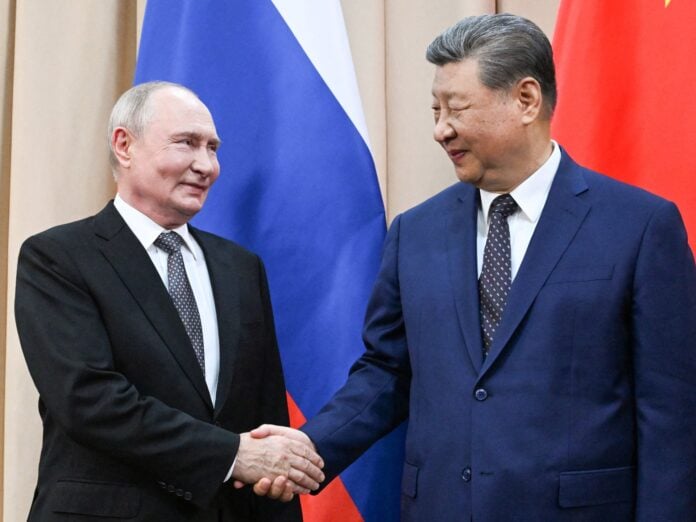

Russia has announced that it is preparing a formal response to the United States’ reported 27-point peace framework for ending the war in Ukraine, signaling that diplomatic contacts between Moscow and Washington remain active despite continuing battlefield tensions and deep geopolitical divisions.
Alexey Polishchuk, director of the Russian Foreign Ministry’s Second CIS Department, told Russian state media outlet RIA Novosti that Russian negotiators had finalized a set of constructive proposals that would be presented during the next round of talks with US representatives. The discussions are expected to continue following productive rounds in Abu Dhabi and Geneva, which Moscow described as productive.
“Following productive rounds in Abu Dhabi and Geneva, our experts have developed constructive proposals for the US 27-point plan and will be ready to present them at the next meeting,” Polishchuk said in remarks published Sunday.
The senior Russian diplomat did not reveal the contents of Moscow’s counterproposal, nor did he specify when or where the next meeting would take place. However, his comments provide one of the clearest indications so far that negotiations surrounding a potential political settlement in Ukraine are moving beyond exploratory discussions into more detailed diplomatic bargaining.
The renewed focus on negotiations comes at a critical moment in the conflict, with both Russia and Ukraine continuing military operations while international actors intensify efforts to prevent a prolonged escalation. Washington has repeatedly stated that it is working on a comprehensive framework for ending the war, though US officials have avoided publicly discussing the specifics of the proposal while negotiations remain sensitive.
According to earlier reports from US and European media outlets, the American plan is believed to include multiple provisions related to ceasefire arrangements, territorial questions, prisoner exchanges, security guarantees, reconstruction assistance, and Ukraine’s long-term geopolitical status. Some reports have suggested that the framework also touches on NATO-related concerns and mechanisms for international monitoring.
Moscow has consistently maintained that any final settlement must address what it describes as the “root causes” of the conflict, including NATO expansion toward Russia’s borders and the future military status of Ukraine. Russian officials have also insisted that territorial realities created during the conflict cannot be ignored in any future negotiations.
Polishchuk’s remarks suggest the Kremlin believes parts of the US framework may be negotiable rather than outright unacceptable. Russian President Vladimir Putin previously stated that elements of the American initiative could potentially serve as a basis for broader discussions, though Moscow emphasized that the original draft had never been fully coordinated with Russian negotiators.
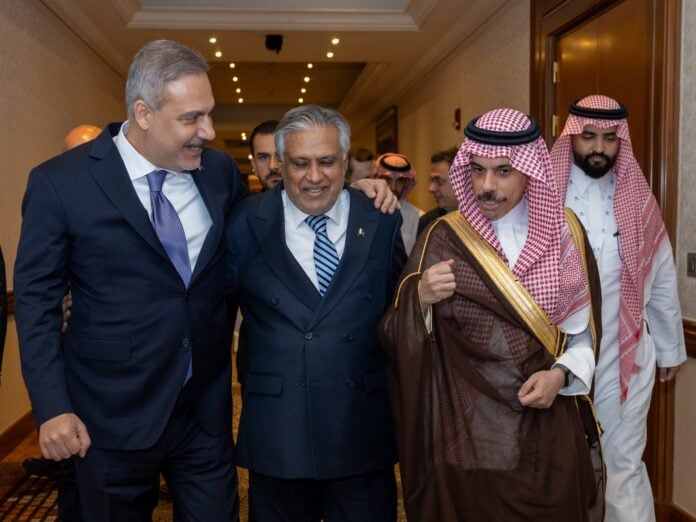
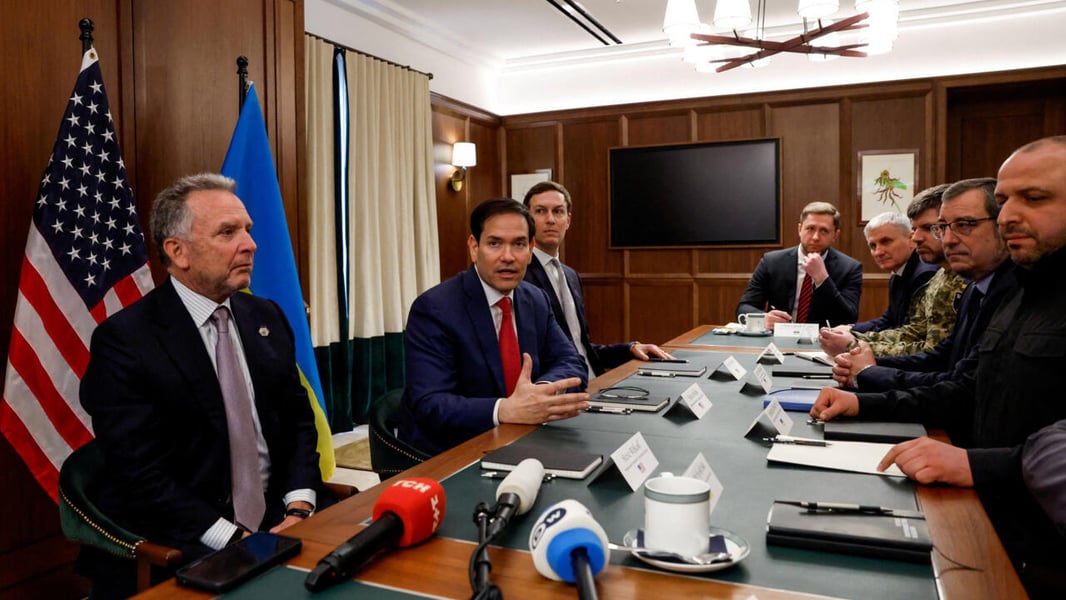
The diplomatic contacts referenced by Polishchuk are part of a broader series of negotiations that have reportedly taken place quietly over recent months. Meetings in Abu Dhabi and Geneva have involved officials from Russia, the US, Ukraine, and several intermediary countries seeking to establish conditions for a possible ceasefire or phased settlement process.
While none of those talks produced a breakthrough, officials from multiple sides described the discussions as constructive and more substantive than earlier attempts at diplomacy. Analysts believe the current round of contacts differs from previous failed peace efforts because major powers now appear increasingly concerned about the long-term economic and military costs of a continuing conflict.
For the Biden administration and its Western allies, any peace initiative faces the challenge of balancing support for Ukraine with growing political fatigue in parts of Europe and the United States. Several European governments remain wary of any settlement that could be interpreted as legitimizing Russian territorial gains, while Ukraine has repeatedly insisted that its sovereignty and territorial integrity remain non-negotiable.
At the same time, Moscow has signaled that it sees current battlefield dynamics as strengthening its strategic balance. Russian officials argue that Western military assistance has failed to fundamentally alter the strategic position, while sanctions imposed on Russia have not produced the economic collapse predicted by many Western policymakers.
The Kremlin has also increasingly framed the Ukraine conflict as part of a larger geopolitical confrontation between Russia and the US-led Western bloc. Russian officials frequently accuse NATO countries of prolonging the war by supplying advanced weapons systems and intelligence support to Kyiv.
Despite public skepticism from both sides, diplomatic engagement has continued behind closed doors. Observers note that even limited negotiations on humanitarian issues, prisoner exchanges, and ceasefire arrangements have helped maintain communication channels between rival powers during periods of heightened military tension.
The reference to “Anchorage discussions” by Russian officials has drawn attention among diplomatic analysts. Moscow has repeatedly pointed to earlier US-Russia future security arrangements as a potential foundation for broader negotiations, particularly regarding military deployments and NATO activity in Eastern Europe.
Meanwhile, Ukrainian officials remain cautious about reports of any emerging settlement framework. Kyiv has consistently warned against external pressure for territorial concessions and continues to advocate for security guarantees from Western allies. Ukrainian President Volodymyr Zelensky has repeatedly stated that any peace process must include Ukraine directly and cannot be imposed through agreements reached solely between larger powers.
European leaders are also divided over how aggressively to pursue negotiations. Some governments favor immediate diplomatic efforts to freeze the conflict and reduce escalation risks, while others argue that negotiations should only occur after stronger military pressure on Russia.
The latest Russian statements are likely to intensify speculation that Washington and Moscow are attempting to revive structured diplomatic channels despite the broader collapse in bilateral relations since the beginning of the war. Relations between the two nuclear powers remain at their lowest level in decades, with disputes extending beyond Ukraine into sanctions, energy security, military deployments, and global influence.
Whether Moscow’s “constructive proposals” will produce meaningful progress remains uncertain. Previous peace initiatives have repeatedly stalled over disagreements concerning territory, security guarantees, sanctions relief, and Ukraine’s future alignment with Western institutions.
Still, the acknowledgment that detailed proposals are being exchanged suggests that neither side has completely abandoned the possibility of a negotiated settlement. As military operations continue and geopolitical tensions deepen, the next round of talks may provide a clearer indication of whether diplomacy can gain traction after years of conflict.
—Inputs from Sputnik.