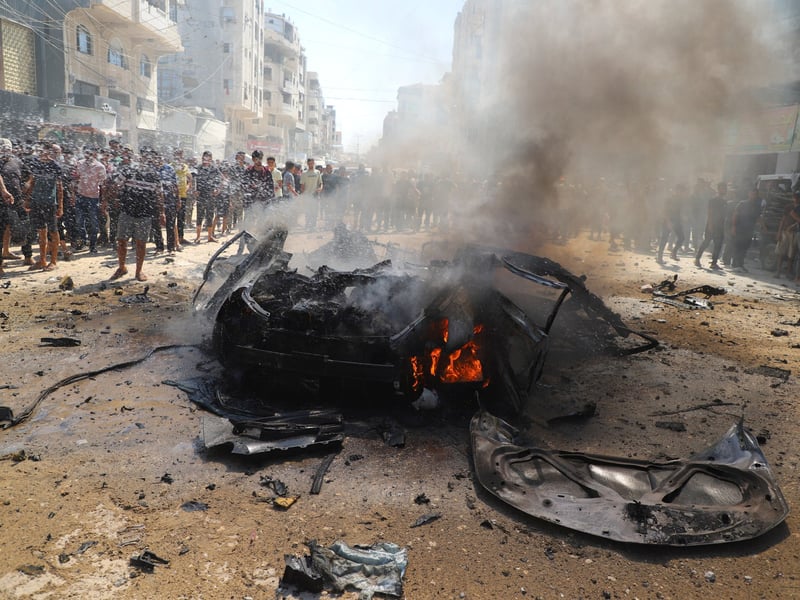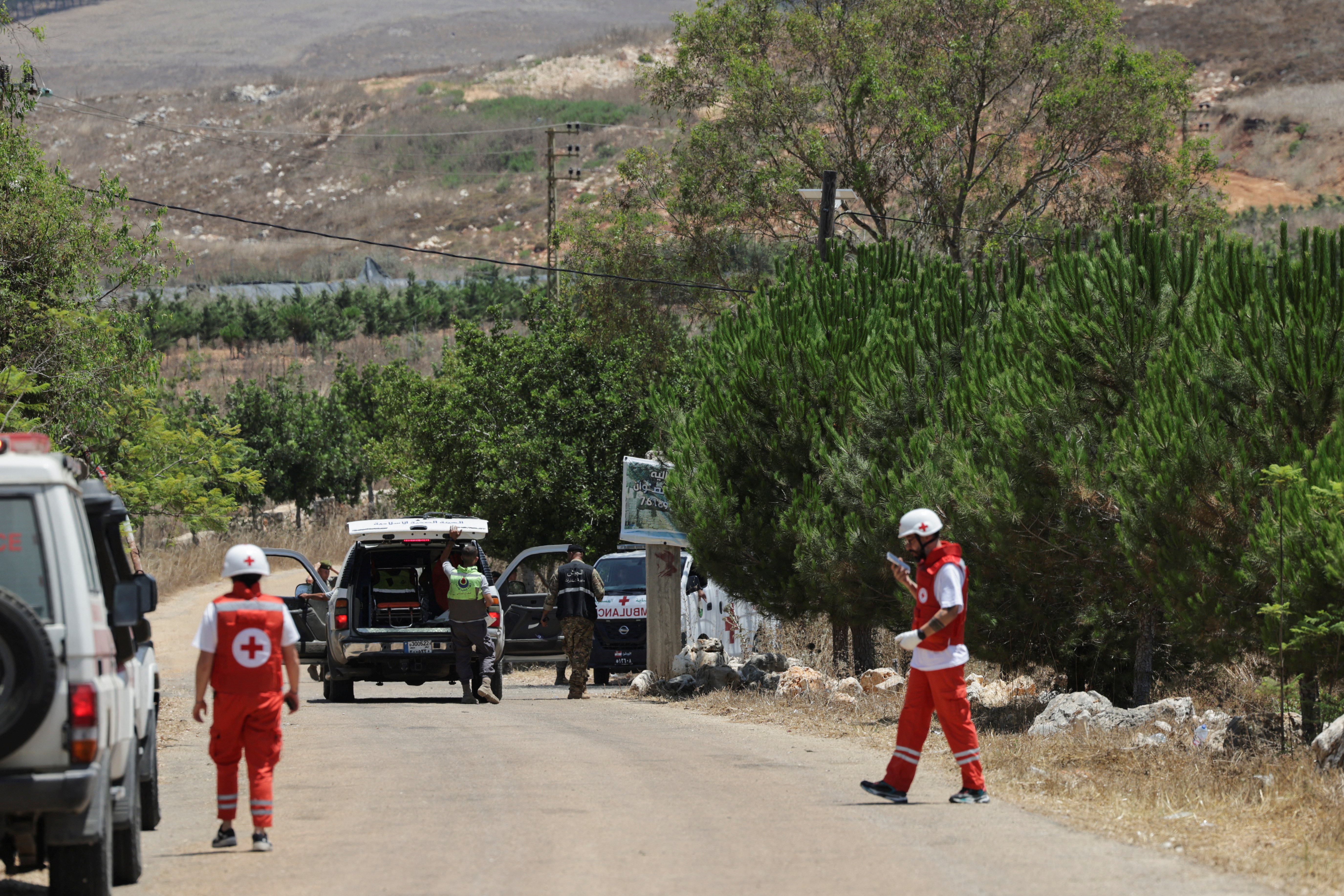

BEIRUT — The families of southern Lebanon have learned, over the course of this summer, to measure safety in terms of intervals: the silence between one strike and the next, and how long it lasts.
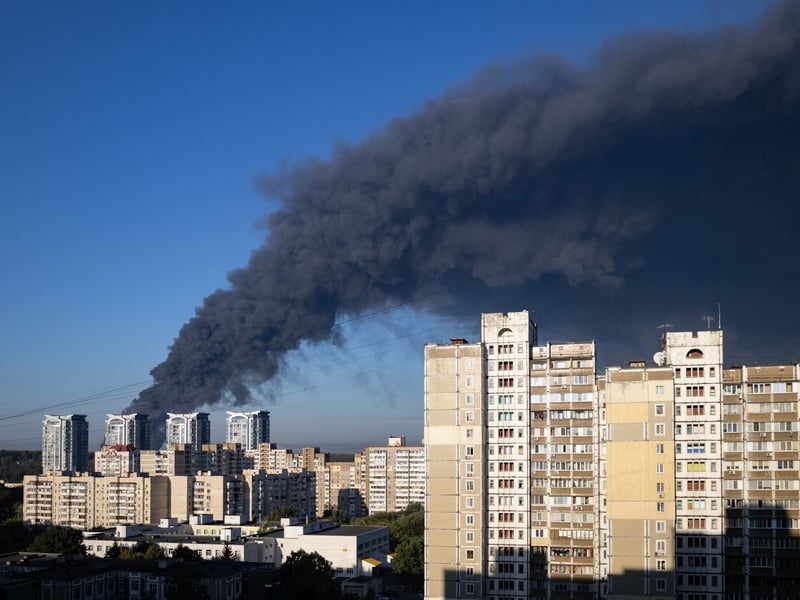
Between August 5 and 16, UN peacekeepers counted an average of 137 projectiles fired each day across the south. On Saturday, that number reached 208. On Sunday, 185 more. The ceasefire that the United States brokered on June 26 was technically still in effect. The killing was not.
Al Jazeera reported that the death toll in Lebanon has climbed to 4,346 since March 2, when a new cycle of Israeli air operations began in earnest. Eleven people died in separate Israeli air raids on Saturday alone. “Civilians are once again paying the highest price,” UNIFIL, the United Nations Interim Force in Lebanon, said in a statement accompanying its weekly figures. Displacement had risen, the mission added, and residents were being forced to alter their routines because the insecurity had made daily life dangerous.
The June 26 agreement contains a structural problem that no one has yet managed to resolve. Reached after months of stop-start negotiations and American shuttle diplomacy, it ties Israel’s withdrawal from occupied positions in southern Lebanon to Hezbollah’s full disarmament, a condition Hezbollah has refused on the grounds that Israel must first withdraw unconditionally. Neither side has moved. What the ceasefire created, in practice, is a framework that permits Israeli military operations to continue indefinitely while a disarmament process that may never begin is invoked as justification.
Ziad Abu Rish, an associate professor of Middle Eastern studies at Bard College, has argued that what is unfolding is not a diplomatic accident but a deliberate policy: that Israeli military planners are sustaining strikes at high enough volume to “pummel” both Hezbollah and Lebanon’s civilian population until pressure produces a political concession. The UNIFIL data, 137 projectiles a day for nearly two weeks spiking sharply over the weekend, fits that analysis more closely than it fits any reading of the situation as a contained conflict winding down.
Earlier reporting on Israeli airstrikes in southern Lebanon documented the same pattern, with strikes killing civilians across Nabatieh district despite the nominally active ceasefire. The pattern has continued. The numbers, if anything, have worsened.
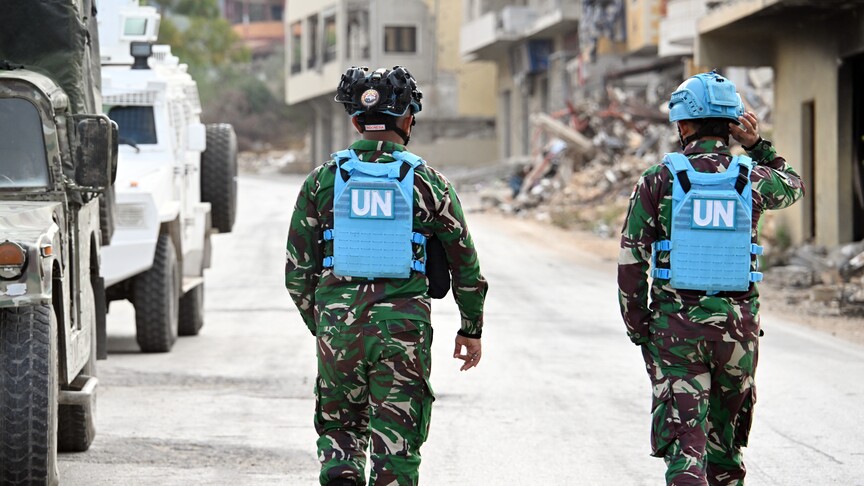
Running beneath all of this is a question the current ceasefire framework does not answer: what UNIFIL itself is for. United Nations Security Council Resolution 1701, the 2006 agreement that forms the mission’s legal basis, remains the framework for international peacekeeping presence in the south. That mandate expires at the end of 2026. Lebanon’s President Joseph Aoun has said he supports its extension. The Security Council vote has not been scheduled, and given the political dynamics surrounding Israeli military operations, renewal is not guaranteed.
UNIFIL comprises roughly 9,500 troops from more than 45 contributing nations. The mission has neither the mandate nor the capacity to stop the strikes it counts. What it provides is independent verification of what is happening on the ground at a time when the parties to the conflict and their international backers are offering competing accounts. The figure of 137 daily projectiles comes from a peacekeeping mission with a 48-year presence in the region, as close to a neutral datapoint as exists in a situation where most of the evidence is contested.
The disarmament question at the centre of the June 26 agreement did not emerge suddenly. Hezbollah’s weapons have been central to Lebanese politics for more than two decades, bound up with the group’s claim to legitimacy as a resistance force and with the broader Iranian strategic architecture across the Levant. Any disarmament arrangement would require Iranian cooperation that has not been forthcoming. An agreement that failed to address those political realities would founder regardless of how precisely the text was worded. The current agreement appears not to have addressed them.
What Lebanon’s civilian south needs is not a more precisely worded ceasefire but a political process capable of making Hezbollah’s disarmament an achievable outcome rather than a precondition for Israeli restraint that has not materialised. In the absence of that process, the UNIFIL count accumulates. Discussions about the mandate renewal proceed on a separate diplomatic track. And the people living under the flight paths absorb what that framework has, so far, produced.
The genocide in Gaza and the conflict in Lebanon are distinct in their immediate causes. They share a broader architecture, however: Israeli military operations in both theatres continue while Gaza war ceasefire negotiations produce documents that do not produce results, sustained by international frameworks that have declined to apply the pressure needed to change the outcome. The civilian south of Lebanon, like Gaza, is living with what that architecture has delivered.
Eleven people were killed there on Saturday. By the time UNIFIL released its figures for the week, the count had already moved on.