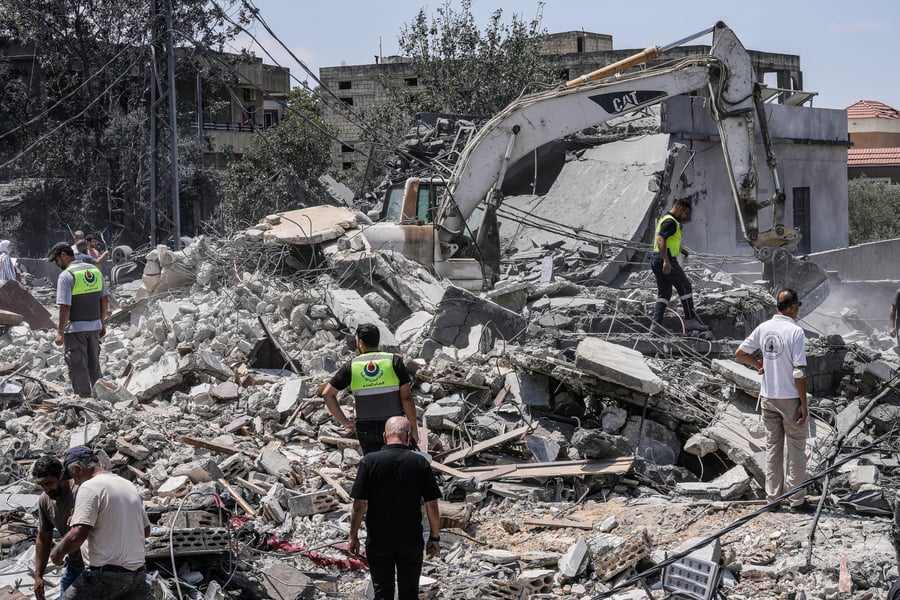

BEIRUT — Seven people were killed in Ansar village in southern Lebanon on Saturday when Israeli warplanes struck what Beirut’s government described as a residential area. Three more were wounded. Netanyahu’s office said only hours later that his military had been targeting a Hezbollah compound, and that civilians were present was something “only later” did his forces learn. Across the Nabatieh district that same day, four more were killed in Deir al-Zahrani. Eleven dead across a single afternoon in a country that has been living under what the United States has described, since June, as a ceasefire.
The strikes came after a seventh round of Israel-Lebanon negotiations in early August that produced nothing binding. They also came after two separate US-brokered frameworks had failed, between them, to stop Israel from striking Lebanon on a near-daily basis: a June 4 agreement requiring a “complete cessation of hostilities,” and a June 26 framework tying Israeli withdrawal to Hezbollah disarmament.
“This is a clear message to the negotiation track,” Lebanese President Joseph Aoun said Saturday, condemning what he called a violation of both agreements and of international law. Prime Minister Nawaf Salam described the strikes as being of “utmost gravity” and demanded an immediate halt. Parliament Speaker Nabih Berri called the Ansar killings “a massacre,” adding they were part of “a war aimed at extermination.”
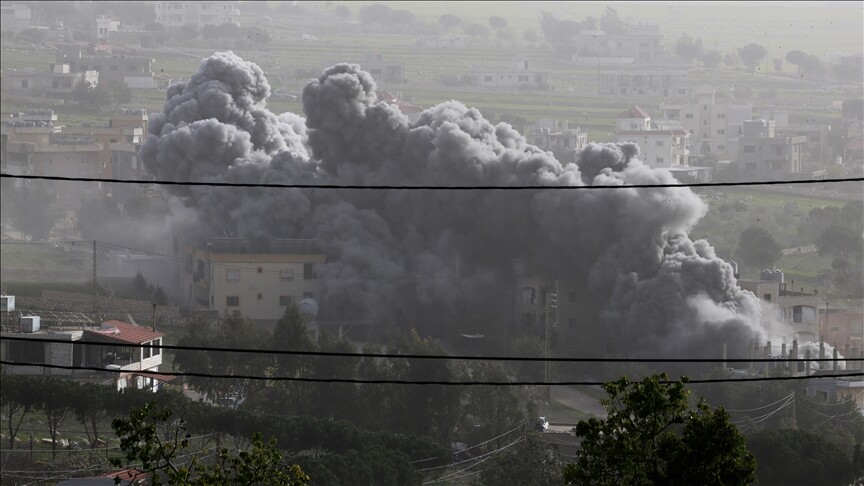
Beyond Ansar and Deir al-Zahrani, the Israeli military struck the Ali al-Taher ridge near the Beaufort Castle, and hit targets in Bint Jbeil, Taybeh, al-Mansouri, Sarbin, Barashit, and Wadi Zibqin. The army said it killed two Hezbollah commanders in the raids: Abu Hassan Alaa and Ali Samir al-Haj Hassan.
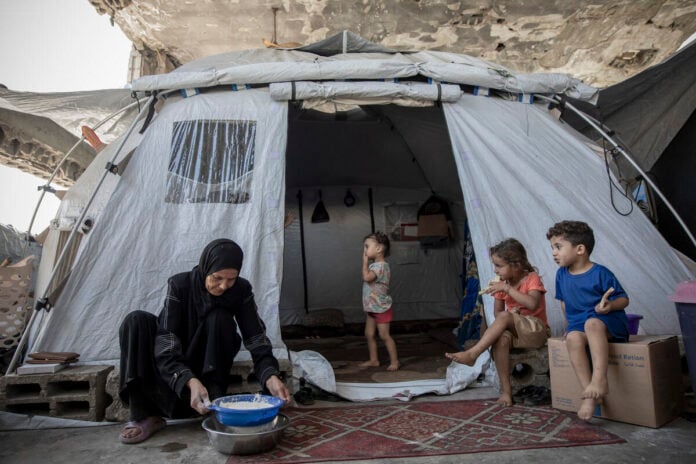
Since March 2, 2026, when Israel resumed military operations after an earlier ceasefire collapsed, more than 4,300 people have been killed in Lebanon, approximately 600,000 displaced, and roughly 90,000 homes damaged or destroyed.
Randa Slim of the Stimson Center put the strategic failure plainly: Lebanon has “locked themselves into these negotiations,” she said, and by excluding Hezbollah, the armed party that controls the territory Israel says it is targeting, Beirut handed Israel a durable pretext while surrendering its own leverage. The deal Lebanon signed does not give Beirut an enforceable mechanism to stop the strikes. It gives Israel a condition that, by design, may never be met.
Hezbollah made a parallel argument from the other direction. The group accused Netanyahu of deliberately accelerating the military campaign to boost his domestic political standing ahead of Israeli elections on October 27. Ziad Abu Rish, who teaches Middle Eastern studies at Bard College, described Netanyahu’s objective in similar terms: demonstrating “undeterred resolve,” a performance of military dominance intended as much for Israeli voters as for Hezbollah. “Pummel” was the word Abu Rish used, and he applied it to Hezbollah and Lebanese civilians without distinguishing between them.
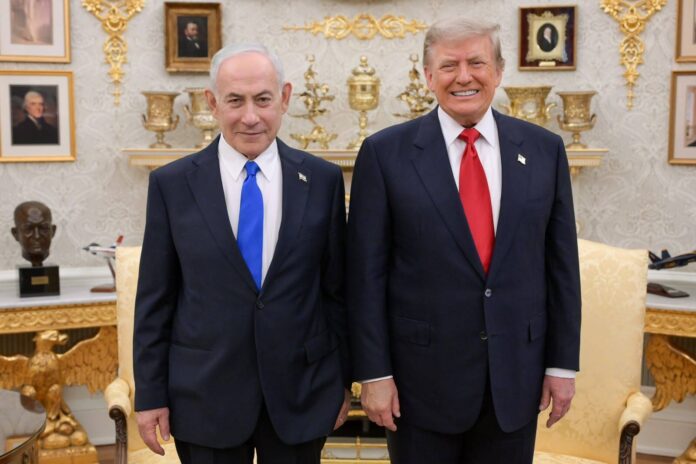
The United States has offered no public comment on Saturday’s strikes. Washington brokered both ceasefire frameworks now being violated, and US Middle East policy under the Trump administration has been the primary diplomatic lever available to Lebanon, one Beirut has pressed repeatedly without visible result. Whether Washington classifies Saturday’s strikes as ceasefire violations or as counterterrorism operations will shape whatever room exists for the next round of talks.
The broader regional environment has added another layer of pressure: the Iran-Qatar confrontation playing out across the Gulf has reduced the bandwidth of intermediaries who might otherwise press harder on Lebanon’s behalf.
Whether the seventh round of Israel-Lebanon talks, the most recent held in early August, will yield a binding framework before October 27 remains unknown. What those negotiations have produced so far is a document with no enforcement mechanism, two broken ceasefires, and a southern Lebanon where villages are still being struck while diplomats discuss the terms under which the striking might stop.
In Ansar on Saturday, seven people did not survive long enough to find out.