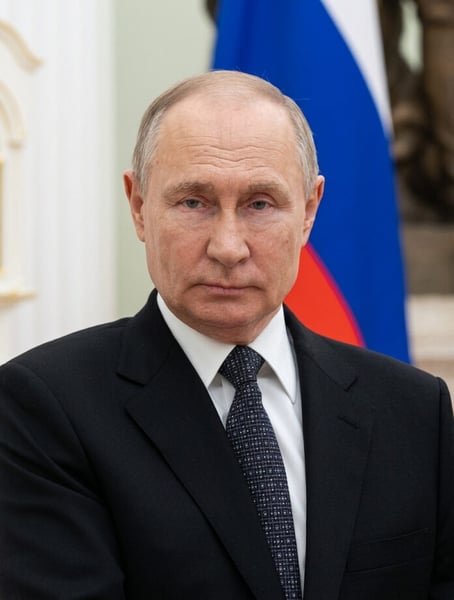

Sergei Naryshkin said Thursday that Russia continues to pursue what he described as diplomatic solutions to the conflict in Ukraine, even as Russian forces intensify battlefield operations and steadily advance westward across contested territory.
Speaking to journalists in Moscow, the head of Russia’s Foreign Intelligence Service said the Kremlin has repeatedly sought a negotiated settlement since 2014, when fighting first erupted in eastern Ukraine following clashes involving the self-proclaimed Donetsk and Lugansk People’s Republics.
“From the very beginning of the military aggression of the Kiev regime against the Donetsk and Lugansk People’s Republics, that is, since 2014, the Russian Federation and Russian President Vladimir Putin have repeatedly made proposals for a peaceful, diplomatic settlement of this conflict,” Naryshkin said.
“The Russian side continues to put forward such proposals,” he added.
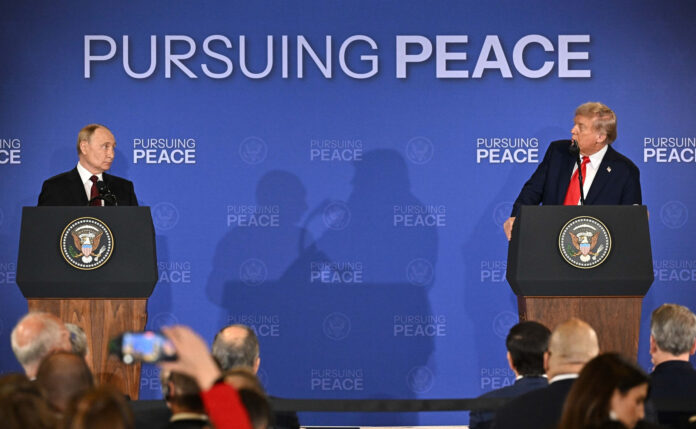
Naryshkin’s remarks come at a moment of renewed international focus on possible ceasefire negotiations after months of intensified diplomacy involving Washington, Moscow and Kiev. Recent discussions brokered with US involvement have failed to produce a lasting settlement, with both sides accusing each other of violating temporary truces and refusing to compromise on territorial demands. Peace negotiations remain a very long way off, according to recent assessments from Moscow.
According to Naryshkin, Russia’s latest proposal centers on the complete withdrawal of Ukrainian forces from territories claimed by the Donetsk and Lugansk republics, regions Moscow formally incorporated into the Russian Federation following controversial referendums rejected by Kiev and most Western governments.
The intelligence chief also signaled that Russia believes it possesses both the legal justification and military capability to continue operations should diplomacy fail.
“If the conflict cannot be resolved through diplomatic means, Russia has all the legal grounds and capabilities to do so through military-technical means,” Naryshkin said.
His comments reflected the increasingly confident tone emerging from Moscow as Russian forces continue pressing forward across multiple sectors of the front line in 2026. Naryshkin claimed Russian troops have liberated approximately 90 settlements since the beginning of the year and said the momentum of operations remains directed “westward.”
Those claims could not be independently verified, though battlefield reports from recent months suggest Russian troops have continued to apply pressure in eastern Ukraine while expanding drone and missile strikes deeper into Ukrainian territory. Reuters reported Thursday that Russia launched its largest aerial assault of the war over a two-day period, involving hundreds of drones and dozens of missiles.
The statements also align with recent messaging from the Kremlin suggesting Moscow sees the conflict entering a decisive phase. Earlier this week, Kremlin spokesman Dmitry Peskov repeated remarks from Vladimir Putin indicating that the war in Ukraine was almost over, though Ukrainian officials sharply disputed those claims.
Despite those optimistic signals from Moscow, Russian officials have simultaneously acknowledged that achieving a comprehensive peace agreement remains difficult because of unresolved territorial and security issues. Discussions surrounding Ukraine peace negotiations have intensified in recent weeks as diplomatic channels remain active behind the scenes.
The conflict, now in its fifth year since the escalation of full-scale hostilities in 2022, has evolved into Europe’s largest military confrontation since World War II. Temporary ceasefires announced in 2026 repeatedly collapsed amid accusations of ceasefire violations from both Russia and Ukraine.
At the same time, the battlefield situation has become increasingly volatile. Ukraine has intensified long-range drone attacks targeting Russian infrastructure and border regions, while Moscow has escalated aerial bombardments on Ukrainian cities using large-scale missile and drone barrages.
Ukrainian President Volodymyr Zelenskyy has continued to reject Russia’s territorial demands, insisting Kiev will not surrender sovereign territory in exchange for peace. Ukrainian officials argue Moscow’s proposals amount to demands for capitulation rather than meaningful negotiations.
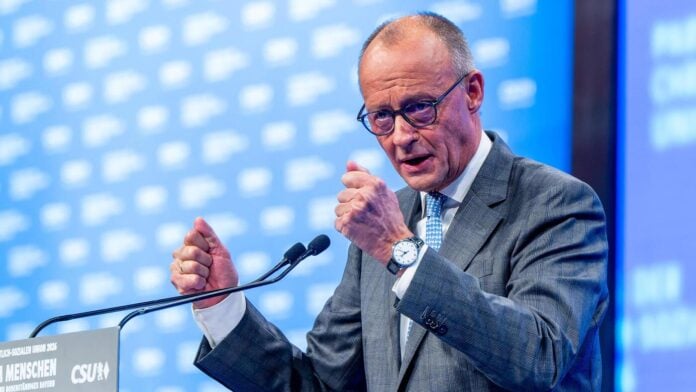
Western governments have also remained skeptical of Russian declarations about diplomacy, accusing Moscow of using ceasefire talks to consolidate territorial gains while continuing offensive military operations. European leaders and NATO officials have repeatedly called for stronger military support for Kiev, arguing that Ukraine’s negotiating position depends heavily on battlefield resilience.
Still, Moscow has sought to portray itself as open to dialogue. Russian officials have emphasized that negotiations remain preferable to a prolonged war, while simultaneously insisting any agreement must recognize what the Kremlin calls the “new territorial realities” created by the conflict.
Recent Russia-US talks on Ukraine settlement have fueled speculation that Washington and Moscow may be attempting to revive broader diplomatic channels despite deep divisions over sanctions, military aid and territorial control.
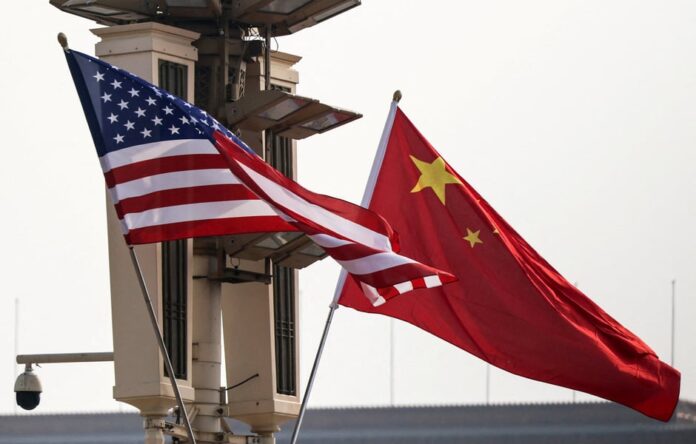
The broader geopolitical environment surrounding the war also continues to shift. Russia has deepened strategic cooperation with China and expanded ties across BRICS-aligned states, while Western unity over Ukraine has shown signs of strain amid economic pressures, military aid debates and growing political polarization in parts of Europe and the US.
Meanwhile, the humanitarian toll of the conflict continues to mount. Millions remain displaced across Ukraine and neighboring countries, infrastructure damage has spread across major cities, and repeated attacks on energy facilities have intensified pressure on civilian populations entering another year of war.
Questions surrounding EU retreat from Ukraine peace talks have further complicated diplomatic efforts as Moscow increasingly accuses European governments of prolonging the conflict instead of encouraging negotiations.
For now, diplomatic momentum appears limited despite ongoing backchannel discussions. Kremlin officials recently acknowledged that peace talks remain largely stalled and that a comprehensive settlement could still be difficult to achieve.
Yet Naryshkin’s remarks underscore how Moscow is attempting to combine diplomatic messaging with battlefield leverage, signaling that Russia believes continued military gains could eventually force Kiev and its Western allies toward concessions that have so far remained politically unacceptable.
As fighting intensifies and both sides prepare for another potentially decisive summer campaign, prospects for an immediate breakthrough remain uncertain even as public rhetoric around negotiations grows louder on all sides of the conflict.
—Inputs from Sputnik.