
Russia’s Defense Ministry on Monday accused Ukrainian forces of violating a temporary ceasefire nearly 24,000 times over a three-day period, alleging a massive escalation of drone warfare and artillery attacks across the front lines of the conflict that has now entered its fifth year.
According to the ministry, Ukrainian forces carried out 23,802 ceasefire violations during the truce period, including thousands of drone strikes, artillery bombardments, and attempted assaults on Russian positions in the special military operation zone.
The accusations come amid the collapse of a fragile temporary Russia-Ukraine ceasefire initiative that had briefly raised hopes for a reduction in hostilities between Moscow and Kyiv. Instead, the truce appears to have exposed how deeply entrenched the conflict has become, with both Russia and Ukraine accusing each other of systematic violations while fighting continued across several sectors of the battlefield.
In a statement released Monday, the Russian Defense Ministry said Russian troops had “strictly observed” the ceasefire agreement while Ukrainian armed formations continued attacks using drones, rocket systems, mortars, and artillery.
“During the ceasefire period in the special military operation zone, a total of 23,802 ceasefire violations by the Ukrainian side were recorded,” the ministry said.
Russian officials claimed that Ukrainian troops launched 6,905 drone strikes and conducted 767 shelling attacks using multiple launch rocket systems, artillery guns, and mortars. Moscow also alleged that Ukrainian forces attempted 12 offensive assaults against Russian positions over the previous 24 hours.
The ministry did not immediately provide independently verifiable evidence supporting the figures, and Kyiv has repeatedly denied Russian claims regarding unilateral adherence to ceasefire arrangements.
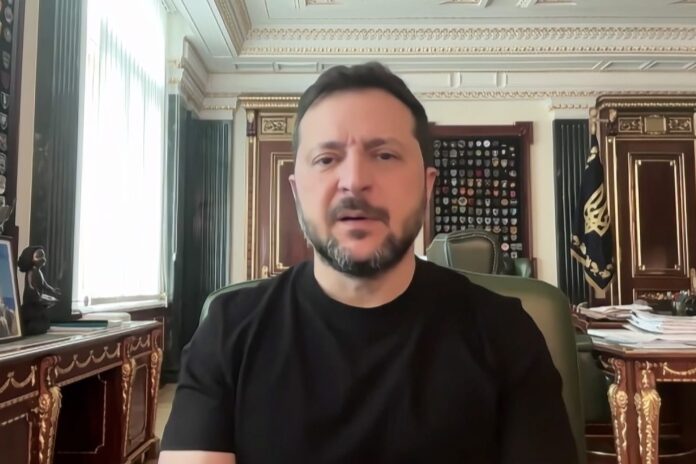
Ukrainian officials accused Russia of violating the ceasefire during the truce period and maintaining offensive operations along contested sectors of the front line. Ukrainian President Volodymyr Zelensky said over the weekend that although large-scale missile barrages had slowed, Russian assaults and drone attacks had not stopped.
The ceasefire, brokered under mounting international pressure and publicly backed by US President Donald Trump, was intended to run from May 9 through May 11. Trump had framed the Trump-backed ceasefire initiative as a possible opening toward broader peace negotiations after more than four years of grinding war between Russia and Ukraine.
Instead, the truce rapidly descended into another round of accusations and counter-accusations.
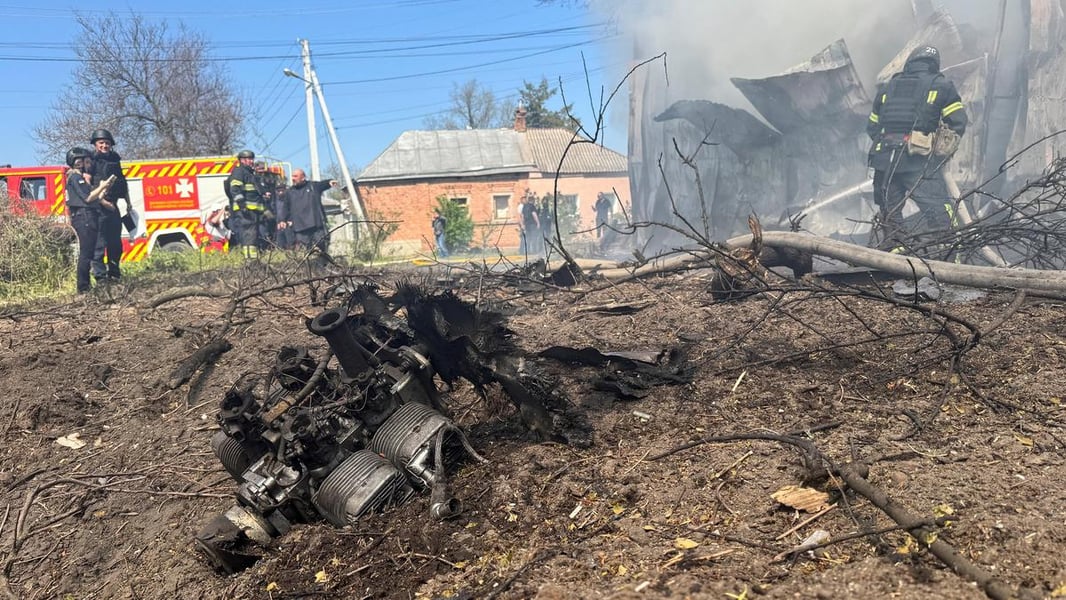
Ukraine’s General Staff reported approximately 180 battlefield clashes over the previous day and alleged that Russian forces deployed more than 8,000 “kamikaze” drones against Ukrainian settlements and military positions. Ukrainian regional authorities also reported civilian casualties in Zaporizhzhia, Kherson, Kharkiv, Donetsk, and Mykolaiv regions following Russian attacks.
Russia, for its part, insisted that Ukrainian forces intensified attacks precisely during the ceasefire window, portraying Kyiv as unwilling to pursue meaningful de-escalation.
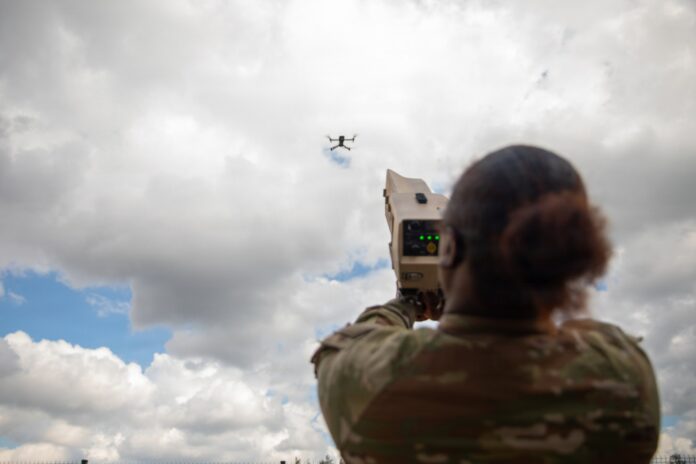
The latest confrontation highlights the growing importance of drone warfare in the conflict, where inexpensive unmanned aerial systems have transformed frontline combat and strategic targeting. Over the past year, both Russia and Ukraine have dramatically expanded drone production and deployment, making UAV strikes a central component of the war’s military doctrine.
Ukraine has increasingly relied on domestically produced long-range drones to strike Russian logistics hubs, military depots, and energy infrastructure deep behind the front lines. Russia has likewise intensified the use of loitering munitions and FPV drones to overwhelm Ukrainian defenses and target troop concentrations as the drone war escalation continues across multiple sectors.
Military analysts say the sheer scale of drone deployment now makes short-term ceasefires extremely difficult to enforce, especially in contested sectors where command structures operate under decentralized battlefield conditions.
The accusations also arrive as diplomatic tensions between Russia and Western governments continue to escalate.
EU officials questioned Moscow’s intentions regarding the ceasefire, with EU foreign policy chief Kaja Kallas describing Russian truce proposals as “very cynical.” European leaders have accused Moscow of attempting to use temporary pauses to regroup militarily and shape international narratives around the war.
At the same time, Russian officials have increasingly accused NATO countries and the US of prolonging the conflict by supplying weapons, intelligence, and financial support to Kyiv.
The latest escalation comes as debates intensify over NATO’s expanding role in the Ukraine conflict and growing fears of a wider European confrontation.
Moscow has repeatedly warned that Western military support for Ukraine risks turning the war into a direct confrontation between Russia and NATO powers. Russian officials have particularly criticized long-range missile deliveries and drone cooperation initiatives involving European states.
The ceasefire dispute is also unfolding amid broader uncertainty surrounding future peace negotiations.
While Trump has publicly promoted ceasefire diplomacy and prisoner exchange initiatives, Kremlin officials have cautioned that peace negotiations remain far away. Kremlin spokesman Dmitry Peskov recently said the path toward any durable agreement would involve “complex details” and difficult negotiations.
Russia continues to demand Ukrainian neutrality, recognition of Russian-controlled territories, and limitations on NATO expansion. Kyiv has rejected those conditions, insisting that territorial sovereignty and security guarantees remain non-negotiable.
The collapse of the latest truce has reinforced skepticism among many observers that either side is prepared for serious compromise.
Even temporary humanitarian pauses have repeatedly broken down since the war began in 2022. Earlier ceasefire initiatives linked to Orthodox Easter and humanitarian corridors similarly ended with both sides accusing one another of violations, reinforcing concerns that ceasefire efforts have repeatedly failed.
Despite the ongoing diplomatic maneuvering, the battlefield reality remains defined by attritional warfare, drone saturation, and relentless artillery exchanges stretching across hundreds of miles of front line territory.
As the ceasefire officially expires, both Moscow and Kyiv appear to be preparing for another prolonged phase of escalation rather than meaningful de-escalation.
The renewed accusations underscore how the Russia-Ukraine war enters new phase in which competing narratives over ceasefire violations, civilian casualties, and battlefield responsibility have become central weapons in the broader geopolitical confrontation between Russia and the Western alliance.
—Inputs from Sputnik.