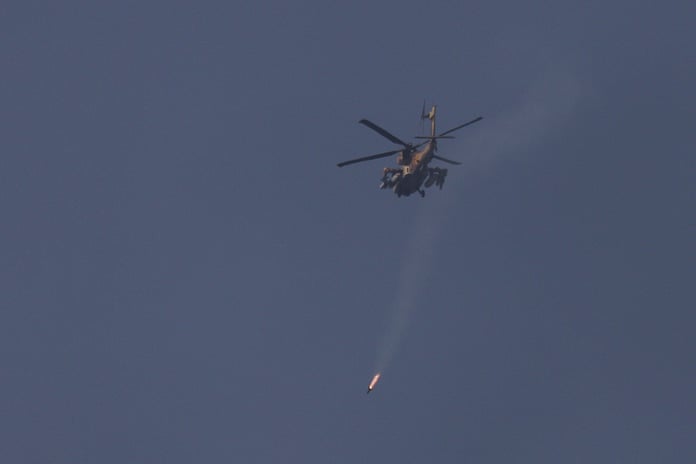
BEIRUT — By nightfall on Sunday, the orchards between Niha and Kfar Houneh in Lebanon’s Western Beqaa were still burning. Israeli drones carrying incendiary payloads had ignited them earlier in the day, according to reports from the area, adding agricultural land to the ledger of destruction that Israel’s military campaign has been compiling across southern Lebanon and the Beqaa.
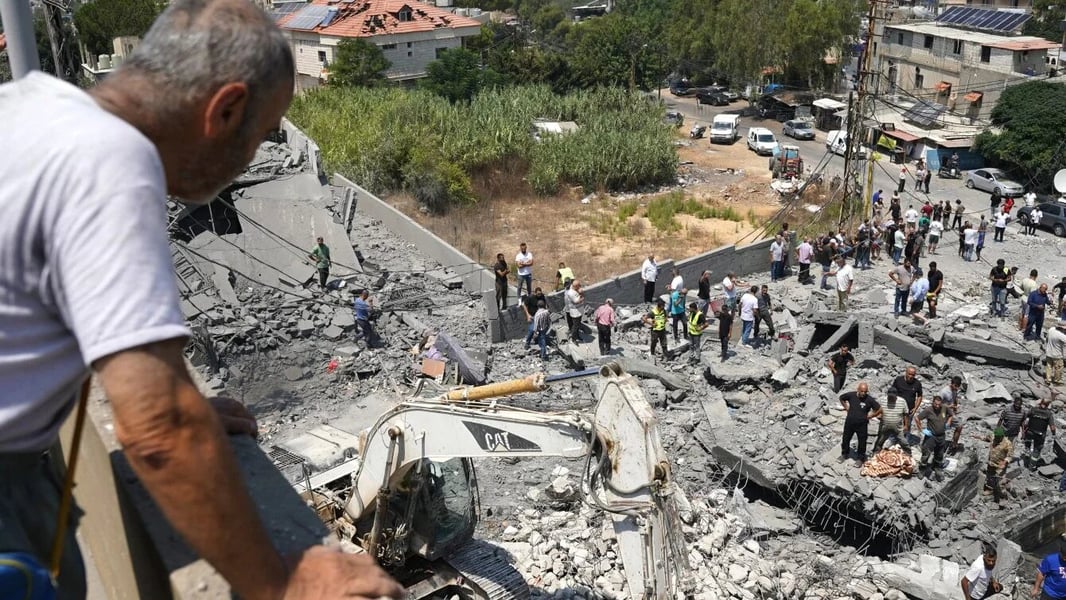
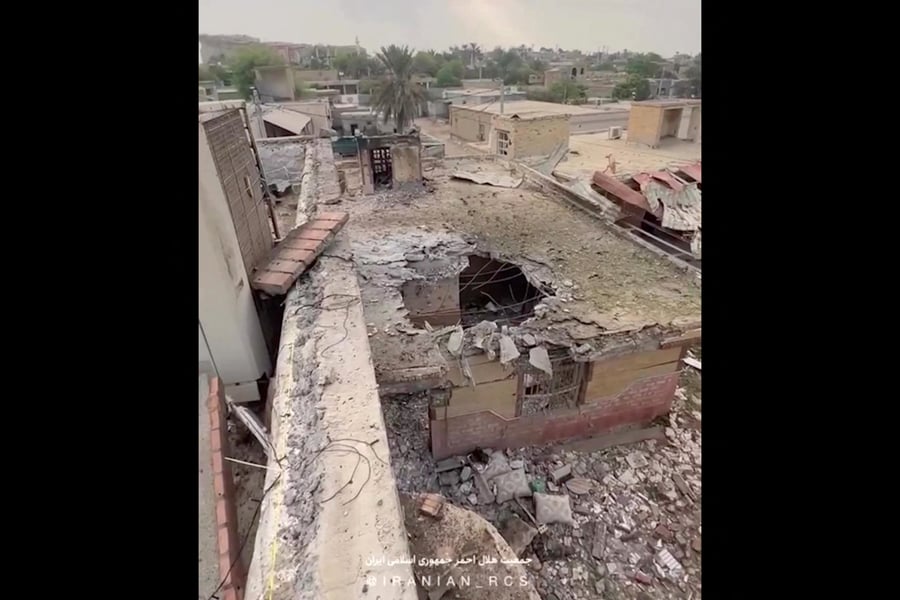
The same day, Israeli forces struck the villages of Mansouri and Ali al-Taher in the south, targeting residential structures. Artillery and aviation assets were directed at positions in Zawtar-Maifadoun. The strikes were reported by RIA Novosti, citing local Lebanese sources. No casualty figures were immediately available in the initial reports.
The use of incendiary devices against orchard land is not new in the conflict, but the scale of Sunday’s fires drew particular attention. The Western Beqaa is a farming region whose spring and summer harvests sustain villages that have few other economic anchors. Burning orchard trees does not deliver a tactical military advantage; it destroys the economic base of a civilian population.
Lebanon’s south and the Beqaa Valley have been subject to Israeli military operations throughout the current cycle of conflict. The pattern in recent weeks has followed a rhythm of residential destruction in border villages combined with strikes on road infrastructure and, increasingly, agricultural land. Whether the incendiary operations in the Beqaa represent a deliberate strategy to depopulate farming communities or are a byproduct of targeting methods that do not distinguish between military positions and civilian land has not been addressed by Israeli military statements.
The strikes in Mansouri and Ali al-Taher fit a pattern that Israeli shelling of southern Lebanon villages has followed throughout the summer: concentrated fire on residential structures, with no stated military objective linked to the specific buildings targeted. Human rights monitors have documented the destruction of civilian homes in at least a dozen southern Lebanese villages since the start of the year, a record that has drawn consistent condemnation from international bodies without producing any modification of Israeli military practice.
The backdrop to Sunday’s operations is a negotiation process whose current status is uncertain. The June 26 Washington framework, reached after weeks of shuttle diplomacy, outlined a phased arrangement for stabilizing Lebanon’s south. Rome talks held August 6 and 7 brought together representatives of the interested parties, but no agreement was publicly announced from those sessions, and the specific terms being contested were not disclosed.

The villages struck on Sunday, Mansouri, Ali al-Taher, and Zawtar-Maifadoun, lie in an area that has seen sustained Israeli military attention. Mansouri, south of the Litani River, sits in a zone where Israeli ground operations have been conducted at various points since the conflict intensified. The villages of the Western Beqaa, farther north and east, are at the edge of what has historically been considered direct Israeli operational range, but the use of drone and artillery assets has extended the area of active military impact significantly beyond previous boundary lines.
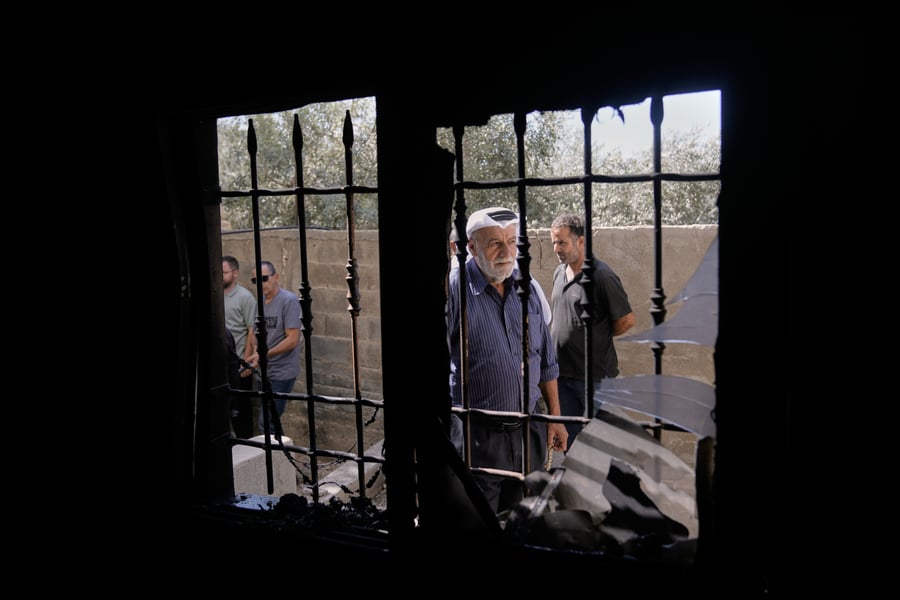
For Lebanese communities in the affected areas, the economic calculus of the incendiary strikes adds to a form of pressure that operates differently from direct military targeting. A destroyed home can in theory be rebuilt. Orchard trees, whether olive, apple, cherry, or fig, take years to establish and are not replaceable within a single agricultural season. Explosions in southern Lebanon have continued even during periods of reduced frontline activity, and the strikes on the Beqaa’s orchard land represent a dimension of that campaign that targets livelihood rather than military capacity.
Israeli military statements on Sunday’s operations had not been received at the time of reporting. The Israel Defense Forces have in past weeks characterized operations in southern Lebanon as targeting Hezbollah infrastructure and personnel, with civilian impacts described as unintended. The specificity of incendiary drone use against agricultural zones, rather than built structures or road networks, does not fit neatly within those stated targeting frameworks.
The fruit orchards between Niha and Kfar Houneh will not recover before the end of this season. Whether the broader negotiating framework that emerged from Washington and Rome holds long enough to stop the fires from returning next season remains, as of Sunday, unanswered.
Related Posts