
KYIV — For four years, Ukrainian airspace has been closed to commercial aviation while Russia’s remained open. Volodymyr Zelenskyy announced on Monday that he intends to close the gap.
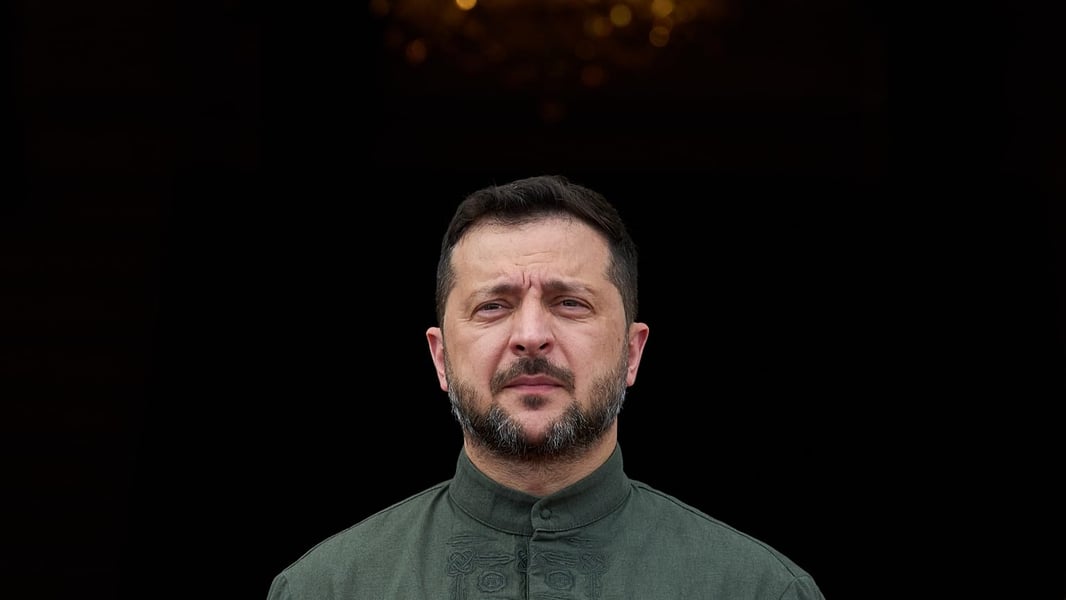
The Ukrainian president addressed foreign governments, airlines, and insurers with language that bypass schedules have not yet caught up to. Ukraine’s drone operations over Russian territory will expand to a scale at which civilian flight becomes untenable. “Russian airspace will effectively be closing,” Zelenskyy said in coverage of the statement. “The war started by Russia is closing its skies.”
The statement was not a military announcement. It was a diplomatic warning delivered to the same international audiences that have spent four years rerouting around Ukrainian territory, often on Kyiv’s request, while Russian civilian aviation continued more or less without disruption. Zelenskyy made the symmetry explicit. “This escalation cannot and will not remain confined to Ukrainian territory.”
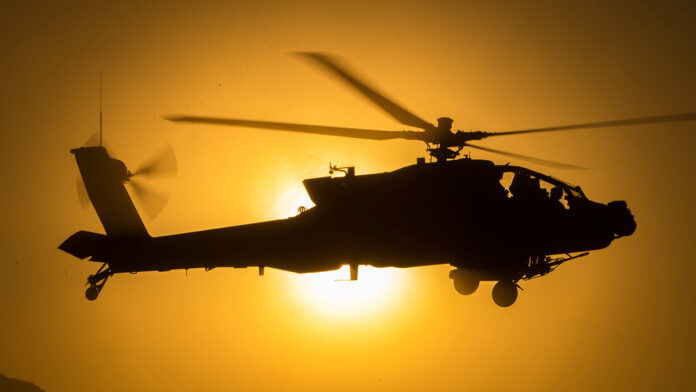
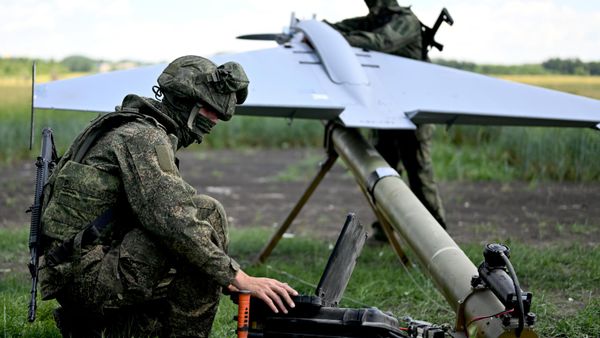
The particulars were deliberate in their vagueness. Zelenskyy specified that Ukraine does not target civilian aircraft directly. What he described instead was density: “There will simply be drones in Russia’s skies on a scale that has to be taken into account.” The message to governments was blunt. “We are warning our partners: the safe days in Russia’s skies are over.”
The statement’s credibility rests on what Ukraine’s drone campaign has already demonstrated: a strike capacity that reached Moscow’s outskirts in August, destroyed warehousing and fuel infrastructure across multiple oblasts, and forced Russian airports to issue temporary closures dozens of times when drone activity is detected in approach corridors. Russian authorities have acknowledged deploying more jet-powered drones alongside ballistic missiles in recent weeks, sending smaller waves throughout the day rather than concentrated overnight barrages, a tactical adaptation that Ukraine’s own forces have mirrored. Ukraine’s capacity to sustain that campaign and extend its geographic reach has not been seriously contested. Zelenskyy is signaling that the next phase is scale.
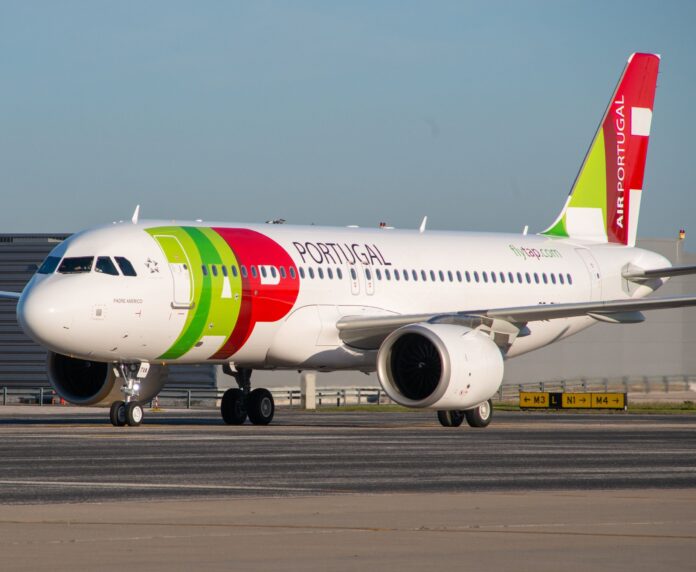
There is a structural irony at the center of this moment. Ukrainian airspace has been formally closed to international civil aviation since the opening of Russia’s military operation in February 2022. Airlines absorbed that closure, rerouted their networks south through Central Asian corridors or north over polar tracks, and rebuilt schedules around the new reality. Russian civilian aviation continued throughout. Airports closed briefly. Some flights were disrupted. No systematic international designation of Russian airspace as a war-risk zone followed, despite regular drone attacks on facilities near major airports. Zelenskyy is now making that designation inevitable, or at least making it the airlines’ problem to address before it becomes an insurer’s.
That recalculation carries real costs for the broader aviation market. Overflight rights through Russian airspace, particularly on routes between Europe and northeast Asia, have historically cut hours off transit times and reduced fuel consumption significantly. Many of those routes were already curtailed after 2022. Further disruption would add substantial fuel and crew costs per long-haul route. The practical mechanism for closing Russian airspace without a formal no-fly designation is straightforward: war-risk premiums from specialist aviation underwriters rise until flying the route becomes uninsurable or uneconomical. Zelenskyy is inviting the commercial aviation market to do the work that diplomatic designation has not.
The announcement came as CIA Director John Ratcliffe made a secret trip to Moscow last week, a visit whose contents remain undisclosed. Whether Zelenskyy’s warning was coordinated with or independent of that diplomatic contact is not known. What the timing establishes is that Ukraine is not adopting a passive posture at a moment when back-channel negotiations are at some level active. Closing Russian airspace commercially and diplomatically is a form of pressure that does not require a battlefield advance.
Russia’s public response has been limited to reaffirming the adequacy of its air defenses and dismissing the premise of the warning. Six months of sustained strikes on Russian oil refineries tested those claims, with results that forced some facilities to revise their operational plans even when official announcements minimized the damage.
What neither Zelenskyy’s warning nor Russia’s dismissal can resolve is the question now sitting with international regulators and insurers: at what scale of drone activity does Russian airspace require the same formal risk status as Ukrainian airspace? The European Union Aviation Safety Agency has tracked the issue without acting on it. The International Civil Aviation Organization has noted concerns without issuing binding guidance. Those bodies now have a statement from a head of state telling them the threshold is approaching. Whether to treat it as an escalation warning or a political statement is a determination that Monday’s announcement made harder to defer.