
RIYADH — Amnesty International says the Houthi missile attack on Riyadh’s main airport killed 13 people, one more than the 12 Saudi authorities reported, and that deliberately striking a civilian airport “can amount to a war crime.” The rights group’s statement, issued October 14, does not stop at the Houthis: it also cites Saudi air strikes that have resumed in Yemen.
Heba Morayef, Amnesty’s regional director for the Middle East and North Africa, said the risks to civilians in both countries “are rapidly increasing each day this conflict escalates.” The October 10 attack on King Khalid International Airport wounded hundreds more, Amnesty said, and was the deadliest attack in Saudi Arabia in over a decade.
The group’s wording on the law is precise. It does not say the Riyadh attack was a war crime; it says that targeting civilians or civilian infrastructure, including civilian airports, is prohibited under international humanitarian law and can amount to one. Indiscriminate and disproportionate attacks are barred too, and it called on every party to take all feasible precautions.
Most of the numbers in Amnesty’s statement come from other sources. It cites The National for at least 20 killed and more than 350 injured in Houthi strikes on Saudi airports between October 5 and 11, and the Yemen Data Project for at least 66 civilians killed and 90 injured in Saudi air strikes. The UN human rights office, it noted, had documented at least 32 civilians, including 15 children, killed in Yemen since August. Amnesty says the true toll is higher.
Amnesty links the fighting to the regional conflict involving the United States, Israel and Iran. It says the Houthis are backed by Iran and the Yemeni government by Saudi Arabia, and dates the escalation to the collapse of a UN-brokered ceasefire in July 2026 after air strikes on Sana’a airport claimed by the internationally recognized government. TEH reported the Riyadh airport attack when it happened.
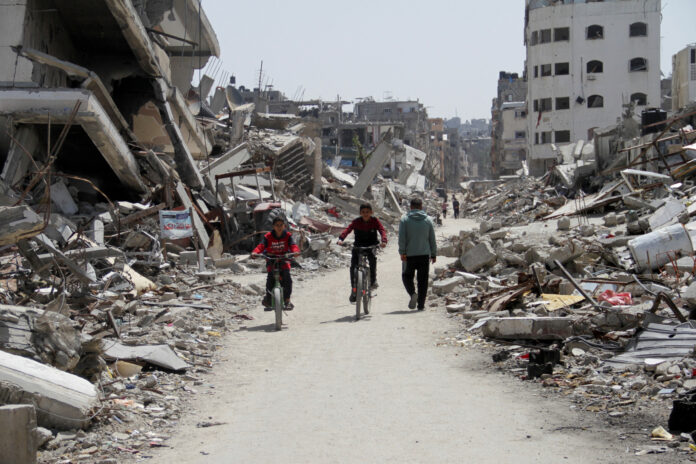
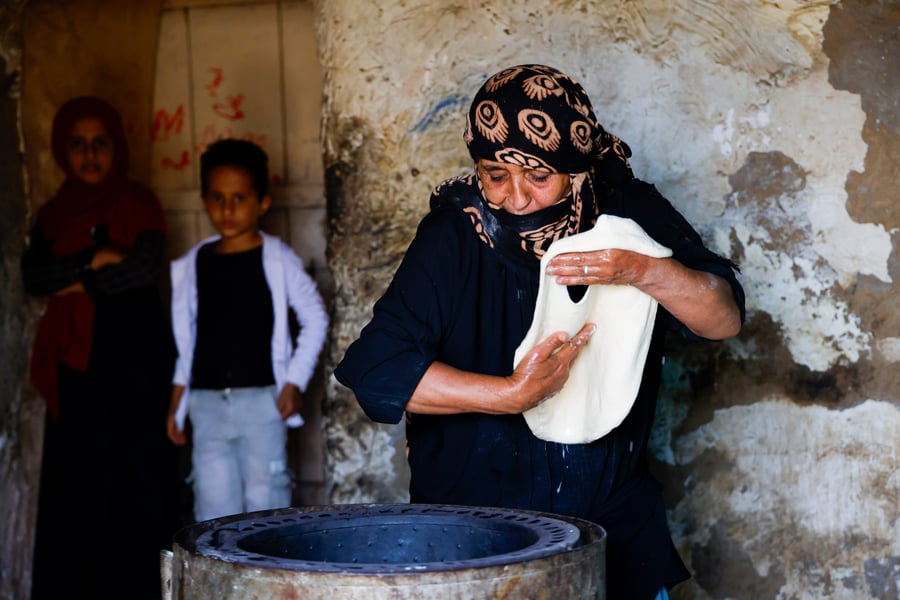
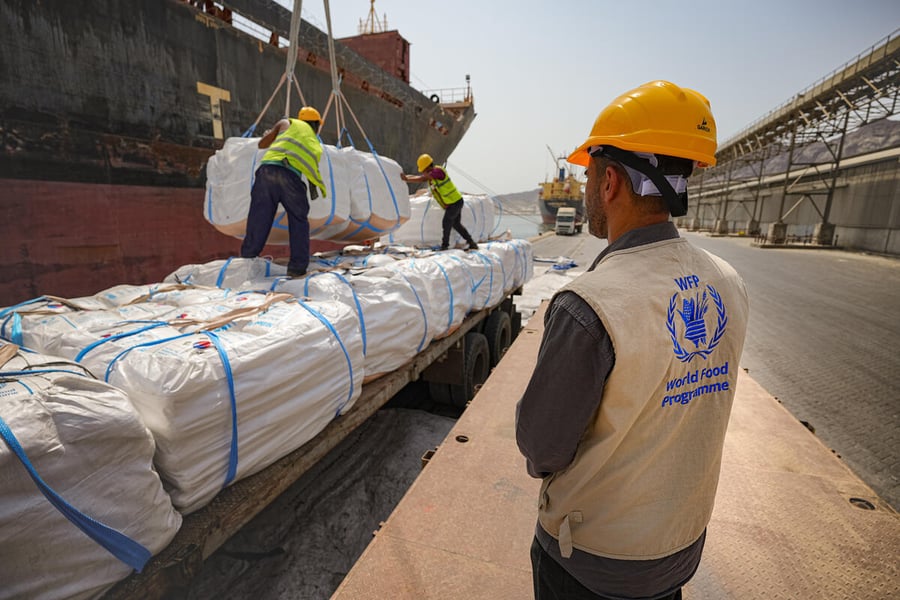
For Yemenis the cost is already measured in hunger. According to UN figures cited by Amnesty, at least 18.3 million people are acutely food insecure and more than 2.2 million children under five are acutely malnourished. The World Food Programme has warned that Taiz is running out of flour as fighting blocks aid.
Why the Riyadh toll differs by one, and whether any independent investigation will test the tally of Saudi strikes, are questions the statement leaves open. Amnesty documented violations by all sides between 2015 and 2022, and its call is the same now: stop attacking civilians, and let aid in.