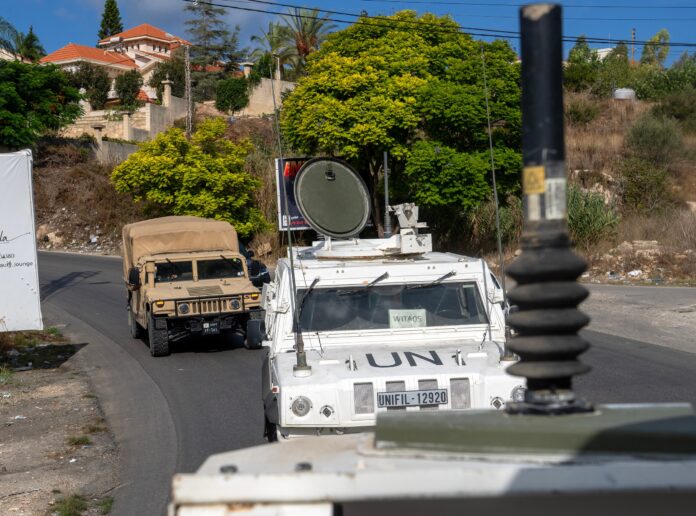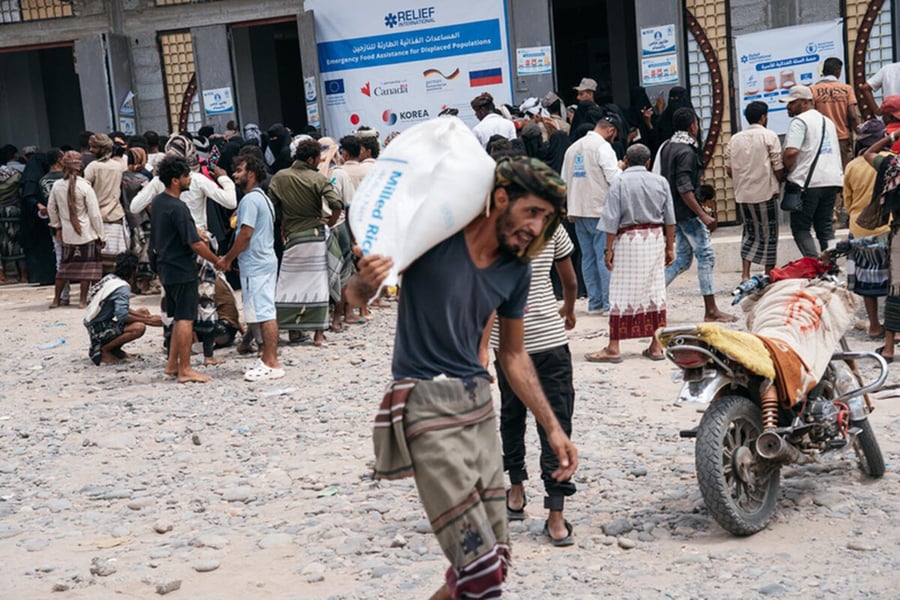

TAIZ, Yemen — Wheat flour stocks are nearly gone in Taiz, Yemen’s third-largest city, and the World Food Programme says it cannot reach more than 600,000 people there who depend on its aid.
El-Khidir Daloum, the agency’s country director in Yemen, warned on Wednesday that the situation could “rapidly spiral into a humanitarian catastrophe” if aid cannot move safely. Intensifying fighting has cut off life-saving assistance to about 800,000 people nationwide, the agency said, as shifting front lines, blocked roads and insecurity close off Taiz and other conflict zones.
Taiz is the sharpest edge of a national emergency. Among those WFP cannot reach there are more than 200,000 women and children, and 10 of the governorate’s 16 districts are classed at emergency levels of food insecurity. Local markets are running out of food. In the areas the agency can still reach, nearly 75 percent of households cannot meet basic food needs, a record for this year, UN News reported.

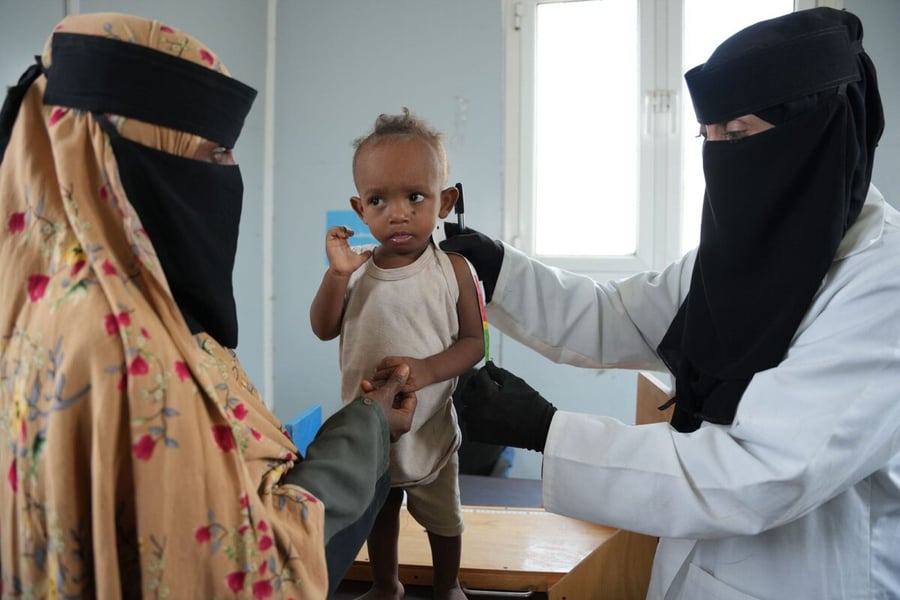
The national figures are larger. More than 18 million people face acute food insecurity, and about 2.2 million children under five are acutely malnourished, 500,000 of them severely. That arithmetic arrives on top of a health emergency: suspected cholera cases tripled in three weeks as TEH reported, with 200,000 people displaced by the fighting.
The agency’s own operations are part of the damage. Thirty-seven WFP staff are among 72 UN personnel detained by the Houthi de facto authorities, and both WFP and Secretary-General António Guterres have called for their release. WFP offices have been breached, and assets, food stocks and critical supply routes have been lost or cut off. Teams have still given emergency aid to more than 115,000 newly displaced people, and say assistance could expand to 1.5 million once access returns. To keep operating through 2027, WFP says it needs $268 million.
The wounded are the other half of the problem. Delivering 22 tonnes of medical supplies in September, the International Committee of the Red Cross said “the recent escalation in hostilities has overwhelmed hospitals,” according to Christine Cipolla, its head of delegation in Yemen. An ICRC mobile surgical team has worked at Marib General Hospital since August 23. “Our mission is purely humanitarian,” Cipolla said. “We do not take sides in the conflict.”
Outside help has thinned. Yemen’s recognised government has asked Washington for strikes and for support and, as TEH reported, Washington left Yemen’s government pleading while American aid collapsed. The fighting has also crossed the border: Riyadh’s airport stayed shut after a missile strike blamed on the Houthis killed 12, and the Saudi coalition vowed a decisive reprisal.
What the statement does not say is which roads are blocked, or by whom, beyond pointing to imminent closures around Taiz. It gives no funding gap against the $268 million, and no date by which the flour runs out.
The WFP can say how many people it cannot reach. It cannot yet say when it will.