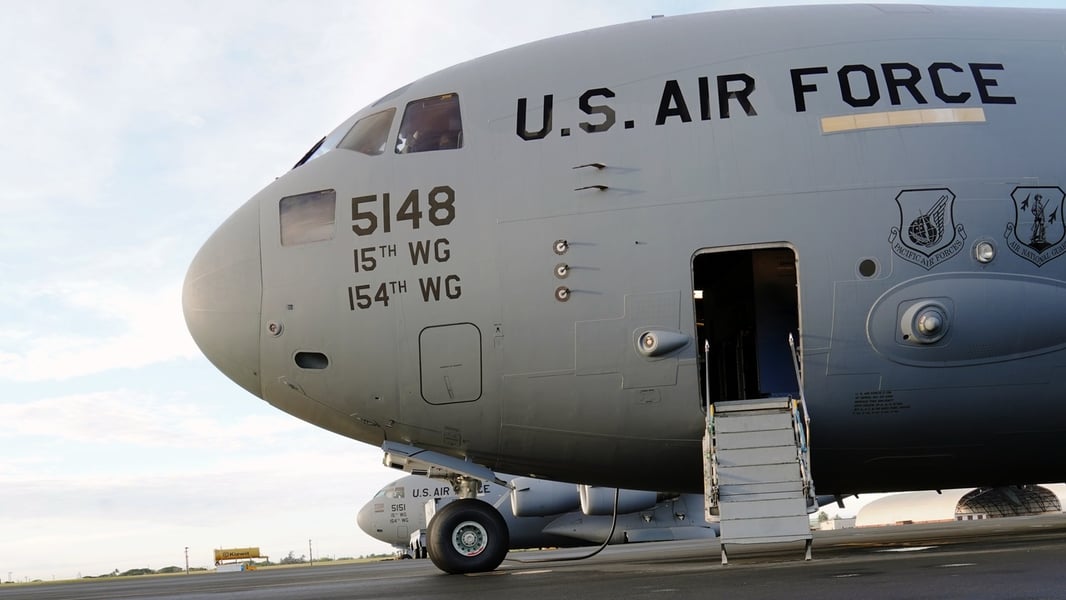

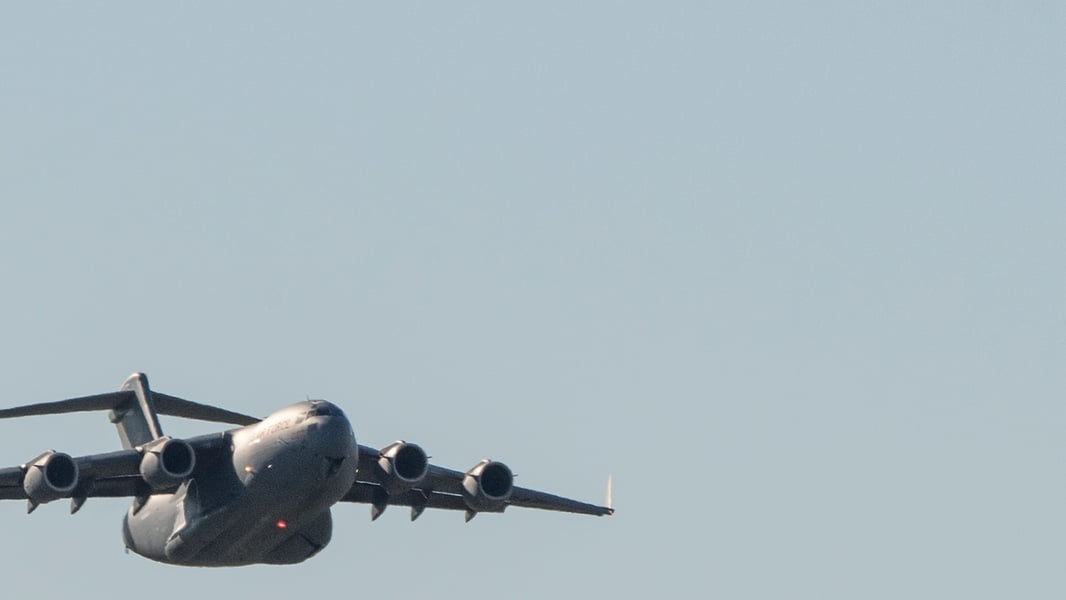
WASHINGTON — When the American C-17 military transport touched down at Vnukovo airport outside Moscow last week, the Kremlin’s intelligence watchers were among the first to notice. A diplomatic motorcade pulled away from the tarmac, and within hours, several European intelligence services had logged the flight. The passenger, eventually confirmed to be CIA Director John Ratcliffe, had arrived in a city that no American official of his standing had visited in years.
The significance of who made the trip matters as much as that it happened at all. A CIA director does not fly to Moscow to exchange pleasantries. The last time one made the journey, William Burns sat across from Russian officials in November 2021, in the weeks before Russia’s military operation in Ukraine began. That conversation, whatever was said, did not prevent what followed.
What brings Ratcliffe to Moscow now is a question no one in Washington is answering on the record. The CIA declined to comment. The White House did not respond to requests for information. The Russian Foreign Ministry offered no confirmation and no denial. The silence is itself a form of diplomacy, though what it is trying to say remains carefully protected.
But the context around the visit tells a story of its own.
In the days before the C-17 landed, US officials quietly asked Kyiv to hold off on long-range drone strikes into Russian territory. Ukraine complied, briefly. The request, described by officials familiar with the matter who were not authorized to speak publicly, was framed as a security precaution for the visit. What it actually represented was an implicit American guarantee to Moscow: the United States would restrain its partner while its intelligence chief came to talk.
That is a significant concession. Ukraine’s drone campaign against Russian infrastructure, oil facilities, and weapons depots has been one of the few instruments Kyiv has pressed with measurable effect through the long plateau of the Ukraine war. Asking Ukraine to pause it, even temporarily, is an action Moscow notices and interprets.
The Trump administration’s approach to the Russia-Ukraine conflict has oscillated between threat and accommodation since January 2025. Trump himself has described the conflict as a problem created by his predecessors, telegraphing impatience with Ukraine’s position even as American weapons continue to flow under existing authorizations. Ratcliffe, a former Republican congressman who serves as Trump’s most trusted intelligence officer, is considered more personal envoy than routine liaison on a visit like this one.
Peace negotiations between Russia and Ukraine have remained largely stalled through 2026. Earlier this year, talks mediated through third parties produced a partial ceasefire framework that neither side fully honored. Ukraine insists on territorial integrity. Russia has not retreated from demands that include Ukraine’s formal neutrality and limits on its military capacity. The gap between the two positions has not narrowed meaningfully through public channels.
What the secret channel may offer is different: a conversation without constituencies, without press conferences, without the domestic political pressure that public talks impose on both sides. Whether that produces anything depends on what each side is actually willing to concede.
For Russia, the calculus has shifted in ways that were not true eighteen months ago. The Iran war has stretched American military capacity, reducing the volume of weapons reaching Ukraine and consuming Washington’s attention in ways that have measurably reduced pressure on Moscow. Russia has absorbed extraordinary economic pressure without the political collapse Western governments once expected. It is not winning the conflict in the way it imagined in 2022, but it is not losing it either, and time has not been working against it.
For the United States, the question is whether a negotiated outcome serves American strategic interests better than an open-ended commitment to Ukraine’s resistance. That calculation has evolved with each passing quarter.
Ukraine was not consulted in advance, according to reporting by CBS News, which first confirmed the visit. President Zelenskyy has said publicly that any peace talks conducted without Ukraine’s participation are illegitimate. That position has not changed. What has changed is Washington’s apparent willingness to test whether Moscow will engage before insisting that Kyiv be at the table.
The timing carries a specific signal. Ratcliffe’s visit comes as the British government has begun sharing classified missile blueprint technology with Ukraine, a step that Russia has explicitly threatened to respond to with strikes on British manufacturing sites. That escalation at the European level may be driving Washington to try a quieter register with Moscow, where the next move is a private conversation rather than a louder statement.
What Ratcliffe said in Moscow, and what he heard in return, remains unknown. The C-17 departed without announcement. No readout was issued. No officials went on record to describe the outcome. That silence, in the grammar of intelligence diplomacy, communicates something: both sides found something worth not yet discussing in public.
Whether anything actionable comes from the meeting, and whether the war’s calculus shifts as a result, is the question the next several weeks will begin to answer.