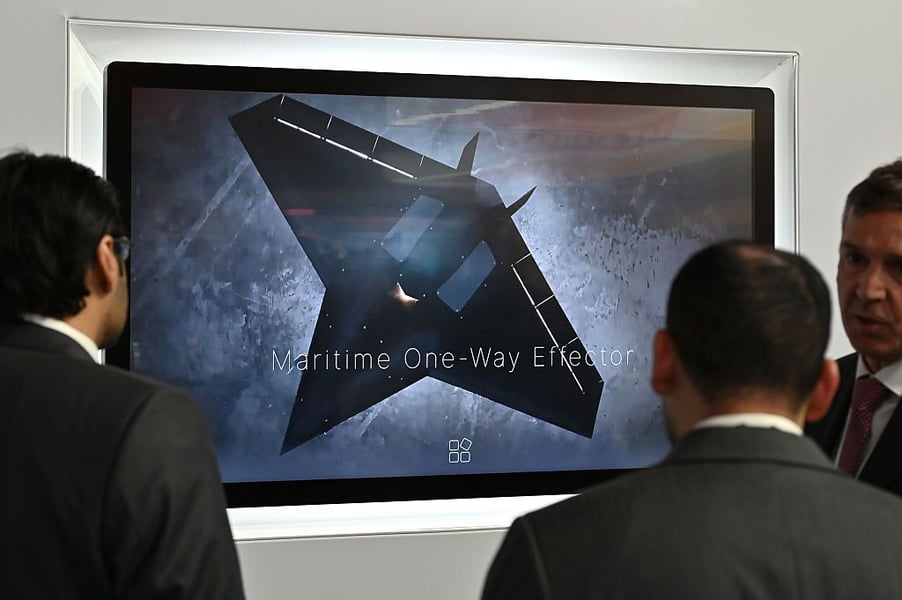

LONDON — British weapons manufacturing company BAE Systems builds the Nyan for reasons that include, in official communications, maritime patrol and intelligence gathering. Six months ago, Ukraine began using it to destroy oil refineries near Moscow.
The Kyiv Independent, citing a report in The Times of London published Saturday, confirmed Sunday that British-manufactured jet-powered drones have been deployed in Ukraine’s deep-strike campaign against Russian energy infrastructure — hitting targets near Moscow, Yaroslavl, and Volgograd across a campaign stretching back half a year. A senior Ukrainian military source stated it plainly to The Times: the armed forces “have also had significant success with British drones.” Most deep-strike missions continue to be conducted using Ukrainian equipment. British hardware has now joined them in a sustained, systematic way.
That confirmation marks a threshold Western governments had publicly refused to authorize. UK-manufactured weapons have struck Russian territory hundreds of miles from the front line, reaching industrial installations inside Russia’s interior. The disclosure of what appears to have been a six-month undisclosed campaign also suggests London chose operational silence over public acknowledgment — a posture consistent with how Storm Shadow cruise missile restrictions were quietly modified before their deployment against Russian targets became publicly known.
Russia has interpreted Western arms transfers through the co-belligerency framework since Ukraine’s deep-strike program began in earnest. Kremlin officials warned repeatedly that use of Western-supplied weapons against Russian territory crossed a line. The use of British-built hardware at oil refinery complexes near Moscow now converts those warnings into a documented confrontation — one that Moscow had anticipated and that London had evidently accepted without public statement.
Ukraine’s forces simultaneously struck the Savasleyka military airbase and a Roscosmos facility using domestically-produced Flamingo missiles — operations separate from the British drone campaign but part of the same strategic logic. Kyiv is now running concurrent strike streams: domestically-built drones, domestically-built missiles, and confirmed British jet-powered platforms operating against overlapping target categories. The coordination indicates a planning depth that has not always been fully visible to analysts tracking the conflict from the outside.
The UK government has not commented. No acknowledgment has been offered that British-manufactured weapons have been used in strikes on mainland Russian infrastructure. The question of whether UK officials were informed before the campaign began — or whether London authorized the use of the Nyan against targets at those distances — has gone unanswered. Parliament has not been briefed publicly, and Downing Street has offered nothing. The silence is a political position in itself; it is also one with a shelf life.
Russia’s probable response sits within the hybrid-warfare register it has applied to NATO allies throughout the conflict. Analysts cited by The Times warned of potential escalation in cyberattacks and espionage operations against the United Kingdom — a repertoire with documented history since 2018. Moscow has not yet stepped outside that register in response to the deep-strike campaign, but the confirmed use of British platforms at facilities close to the Russian capital provides fresh justification for doing so.
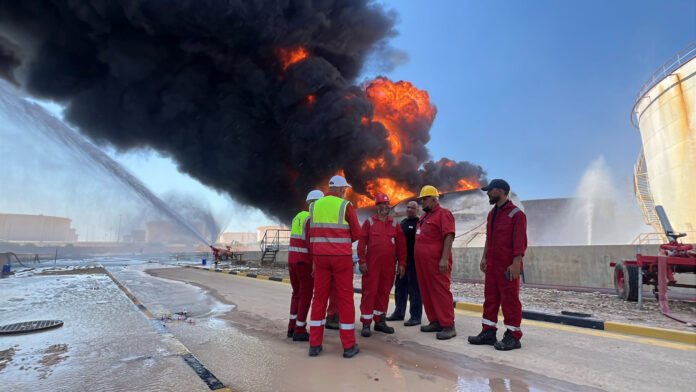
The targets — oil refineries near Yaroslavl and Volgograd and in the Moscow region — supply refined petroleum products to Russia’s southern corridor and Caspian zone. They are not designated protected targets under international humanitarian law, and Ukraine has framed them consistently as legitimate strikes against the logistics sustaining Russia’s continuing military operation. Russia’s own air-defense infrastructure has demonstrated only partial success intercepting the slow, propeller-driven Ukrainian drones that constitute the majority of the campaign. Jet-powered British platforms cover ground faster and present a substantially harder intercept problem.
The British drone confirmation coincides with Brussels moving toward its most expansive economic pressure on Moscow to date. Kaja Kallas, the EU’s foreign policy chief, confirmed Monday that the bloc is preparing what she described as the most far-reaching sanctions package adopted against Russia since the conflict began — targeting additional individuals and entities with ties to the war effort. The combination of drone strikes and accelerating financial isolation reflects a Western posture that has continued to harden with each failed ceasefire attempt.
NATO’s own position has grown more complicated this week. Ukraine war NATO airspace violations this week prompted allied jets to intercept Russian drones entering Romanian airspace — the fourth Alliance airspace incursion of 2026. Simultaneously, the Ukraine war drone barrage on Russia that destroyed a Wildberries warehouse near Moscow was part of the same operational tempo — one of several simultaneous strike packages in the same 24-hour window. Ukraine is not conducting isolated incidents. It is running an air campaign with multiple concurrent production lines.
What British hardware adds to that campaign is specific. The BAE Systems Nyan was developed for Royal Navy testing; it is jet-powered, faster than the propeller systems Ukraine manufactures domestically, and harder to intercept at cruise altitude. Deploying it against oil refinery infrastructure hundreds of miles inside Russia — with “significant success,” in the description of a senior Ukrainian military source — represents an application well beyond what its designers described publicly when they announced the program.
According to the Kyiv Independent, which first confirmed the British drone deployment in Ukraine’s campaign, Kyiv’s forces are now striking Russian targets with hardware from multiple NATO-member manufacturers. The full scope of what has been deployed — and what has been authorized — remains unknown.
Britain’s political reckoning with that application is approaching. Parliamentary questions will follow. Russian state media will cite the disclosure at length. The silence from Downing Street is unlikely to remain tenable once the story is fully in circulation.
What Ukraine has confirmed, and what the six-month record establishes, is that the threshold Western governments spent months debating publicly was crossed while the debate was still running.