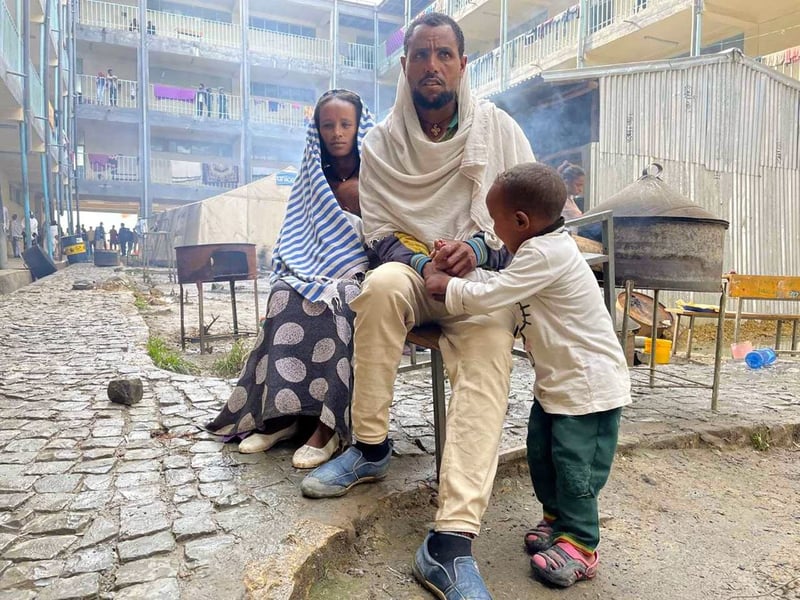

UNITED NATIONS — Ethiopia and Eritrea each wrote to the Security Council last Friday and Saturday to say the other had started a war, and the one fact both letters turn on, whether Eritrean soldiers are inside Tigray in force, has not been independently verified.
Ethiopia’s foreign minister, Gedion Timothewos, wrote on October 9 that Eritrean troops had advanced up to 60 kilometers into Tigray in what Addis Ababa called an “all-out invasion.” He described it as “a blatant act of aggression that engages Ethiopia’s inherent right to self-defence,” invoking Article 51 of the UN Charter without saying what measures Ethiopia would take.
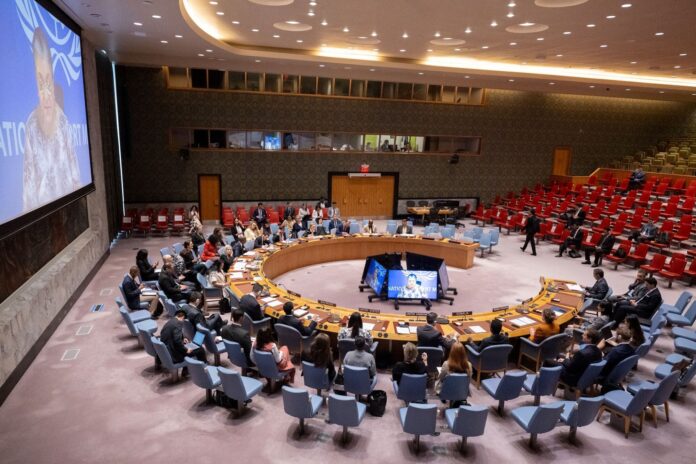
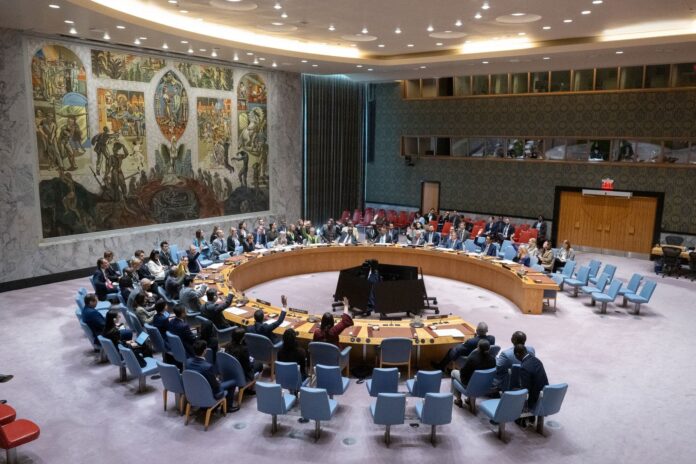
Eritrea’s foreign minister, Osman Saleh, replied the next day, urging the Council to “forcefully condemn” Ethiopia’s “deplorable declaration of war against Eritrea” and to take “deterrent measures” under Chapter VII. Eritrea’s information minister, UN News reported, called it an “unprovoked war of aggression” and denied that Eritrea backs the Tigray People’s Liberation Front, accusing Addis Ababa of seeking regime change in Asmara.
The evidence so far is thin and one-sided in different ways. Al Jazeera reported that it could not verify a claim by Ermiyas Ababu, a commander of the government-allied Tigray Peace Force, that Eritrean personnel had entered Adigrat and Idaga Hamus. The conflict monitor ACLED, it said, recorded Eritrean troops crossing near Zalambessa and coming under Ethiopian drone attack while advancing toward Idaga Hamus. Eritrea has not commented on that.
On the ground, the fighting has moved fast. A seven-group armed alliance that included the TPLF attacked federal forces on September 23 and took Mekelle’s airport, the start of what TEH reported as Ethiopia’s rebel alliance and its war. The TPLF announced a withdrawal from Mekelle on October 3, and government-allied forces entered the city. Al Jazeera reported that Ethiopian troops and an allied militia then entered Adigrat and, on Sunday, Adwa, about 40 kilometers from the Eritrean border, a day after the TPLF pulled out. Residents quoted by the outlet said shops were closed and government buildings, including Adwa Hospital, were looted overnight. Ethiopian Airlines resumed Addis Ababa to Mekelle flights the same day, the first since September 23.
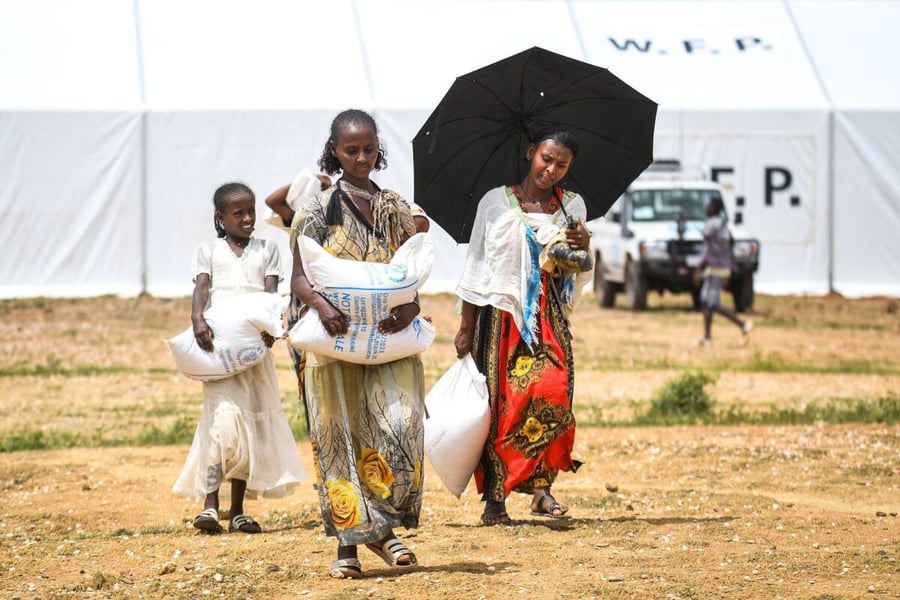
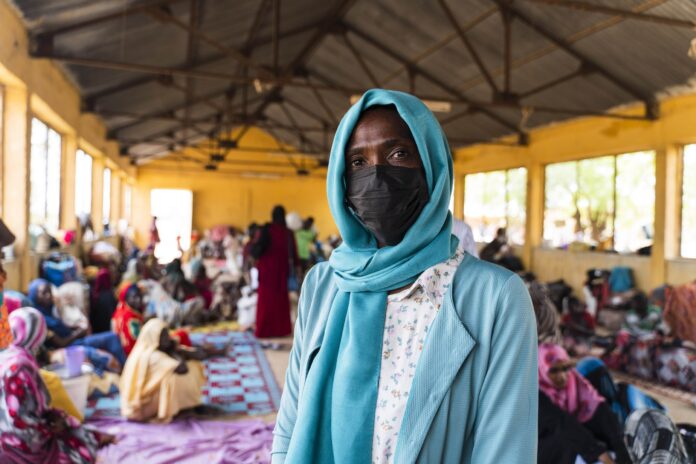
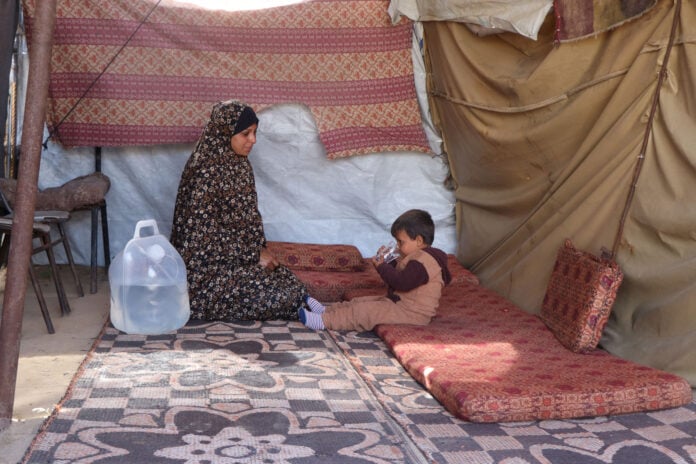
The UN has asked for the shooting to stop. Secretary-General António Guterres, in a statement issued on Friday night, said he was deeply worried by reports that Eritrean forces are present in Ethiopia and called on the signatories of the Pretoria peace deal to return to dialogue, UN News reported. Continued hostilities are displacing people across central, northwestern and eastern Tigray, the UN said, but verified figures are not yet available. A government-led effort to return displaced people to their homes from Kobo in Amhara has been suspended after security there worsened.
Underneath is the Red Sea. Prime Minister Abiy Ahmed repeated on October 5 that Ethiopia, which has been landlocked since Eritrea’s independence in 1993, must have sea access, and Eritrea reads that as a threat to its port of Assab, according to Al Jazeera. Hossamaldeen Ibrahim, an analyst at the Bloomsbury Intelligence and Security Institute, told the outlet that “each side now treats the other’s narrative as existential” and that the severing of diplomatic ties removed the “last formal mechanism for crisis management.” Matthias Rompel, a sociologist at Justus Liebig University Giessen, said “a wider conflict is not inevitable, but the space for diplomatic de-escalation is rapidly narrowing.”
Outside powers are watching rather than visibly steering, Al Jazeera found. The United Arab Emirates condemned the TPLF-led attacks on September 25 and backed the federal government while urging dialogue. Saudi Arabia, per an October 1 analysis the outlet cited, had not commented publicly on the renewed war, though sources told Chatham House in 2025 that Riyadh had offered to mediate between Ethiopia and Eritrea over sea access. Ethiopia’s army chief has accused Egypt and Sudan of backing armed groups, without evidence; both deny it.
No outside government has been shown to hold the lever. What the record does not settle is the claim that would decide whether this is an Ethiopian-Eritrean war or a Tigrayan one: whether Eritrean soldiers are in Tigray in force. One government asserts it, the other denies it, and the one outlet whose account TEH could read in detail could not confirm it.