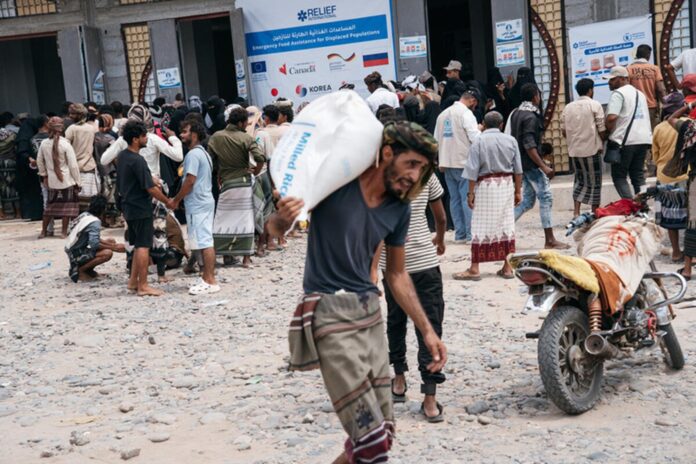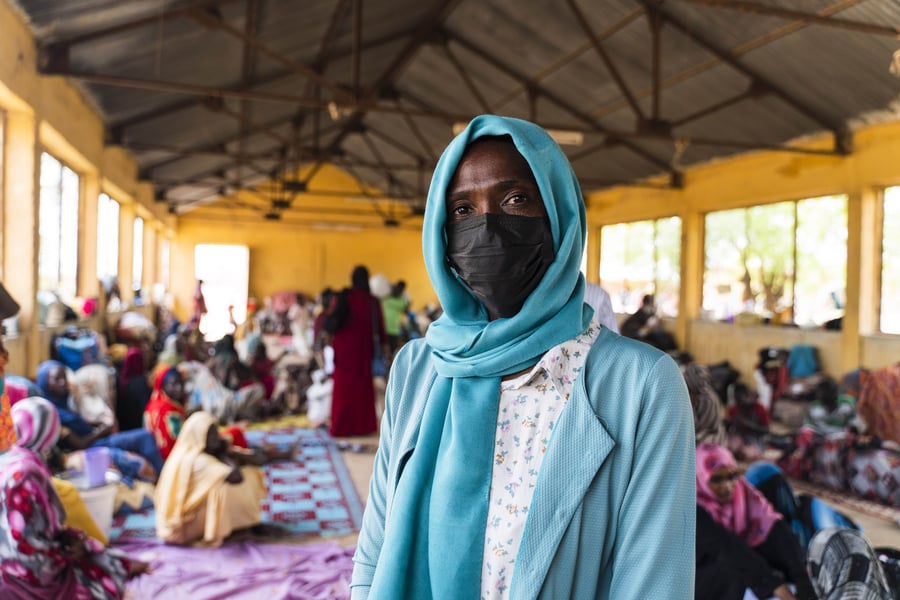

EASTERN JEBEL MARRA, Sudan — In two camps for displaced people in Eastern Jebel Marra, South Darfur, a survey found acute malnutrition in 38 per cent and 30.8 per cent of children, figures the United Nations describes as above the threshold for famine. No famine has been declared.
The numbers come from a new alert by the Integrated Food Security Phase Classification, the partnership that includes the World Food Programme and the Food and Agriculture Organization. It is an alert, not a classification: the IPC’s Famine Review Committee said there is not enough survey data for a full analysis, while saying the evidence points to a rapidly worsening situation.
That gap between evidence and declaration is the story. Across Greater Darfur, 13 of 17 nutrition surveys carried out since January found critical levels of acute malnutrition. In Nyala, the share of children seeking help who needed treatment for severe acute malnutrition more than doubled between January and August, from 5 to 11 per cent. And as of August, only 26 per cent of children expected to need care for severe acute malnutrition with medical complications had received it. Without treatment, as many as two thirds of them could die.
Drought now covers more than half of Sudan, UN News reported on October 12. In North Darfur, 64 per cent of cropland shows poor plant growth, and rains that arrived in late September came too late for most cereal crops. Greater Kordofan, which the alert calls the epicentre of the conflict, has seen more than 300,000 people forced from their homes since October 2025, and markets there have been hit by more than 170 airstrikes, looting incidents or armed clashes this year.
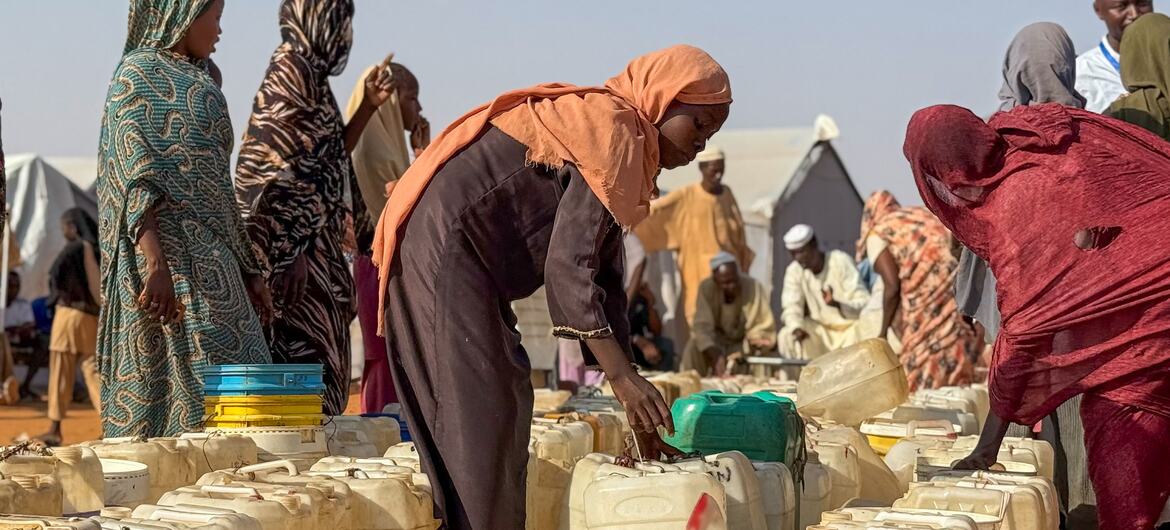
Aid is not keeping pace. Two trucks contracted by WFP came under fire on October 2 and 3, and at least one person was killed. As of October 8, less than half of the humanitarian appeal for Sudan had been funded. TEH reported in September that USAID cuts were closing Sudan’s last clinics.
The UN’s own El-Fasher genocide file was read at the time as a warning for El-Obeid, and the Committee did not wait for perfect data to describe the stakes. “Famine is the collapse of systems,” it said. “We are witnessing a humanitarian catastrophe, already of historic proportions.” The alert called for an end to the fighting, safe and sustained access for aid agencies, especially in North and West Kordofan, and flexible funding on a large scale.
What TEH could not read is the alert itself: the IPC website returned an access error, so every figure here is as UN News reported it. Until a full analysis is possible, the 38 per cent stands as a number above a famine threshold and below a declaration.