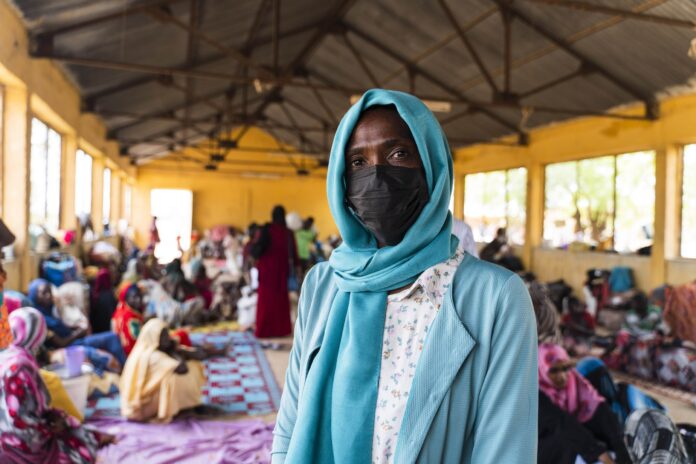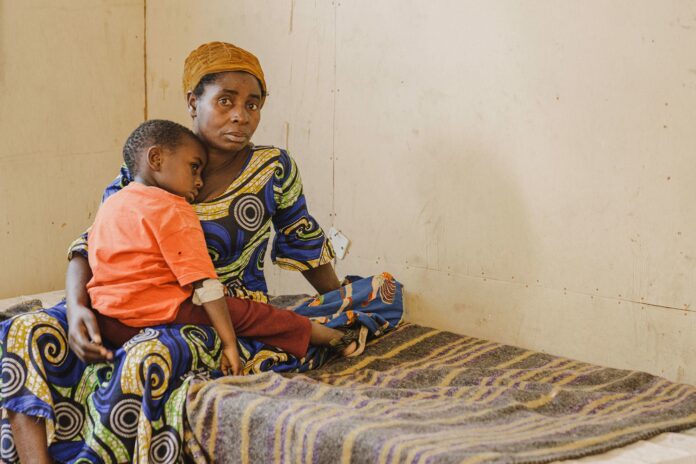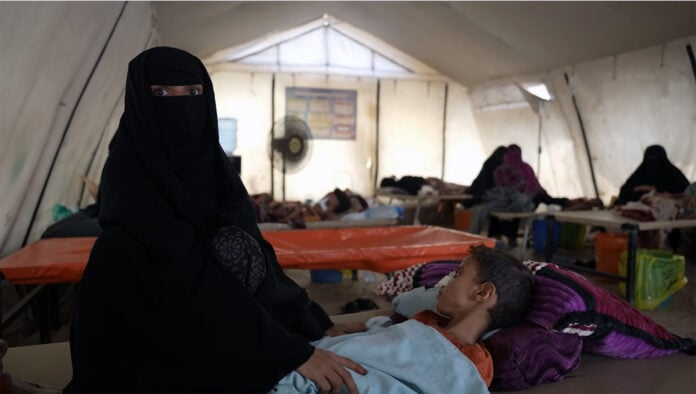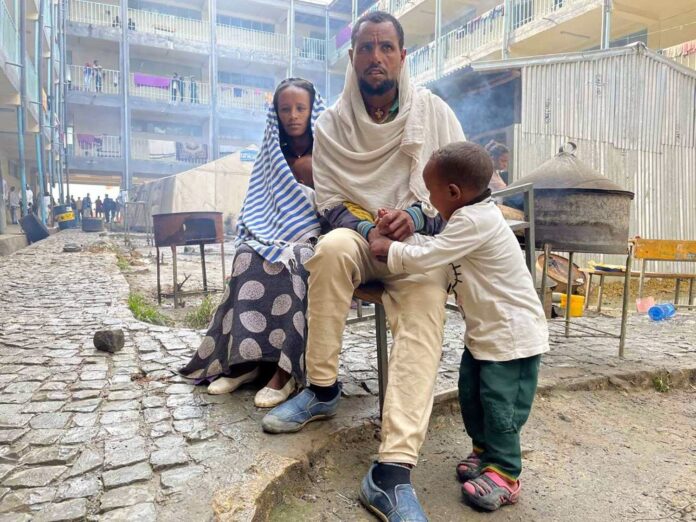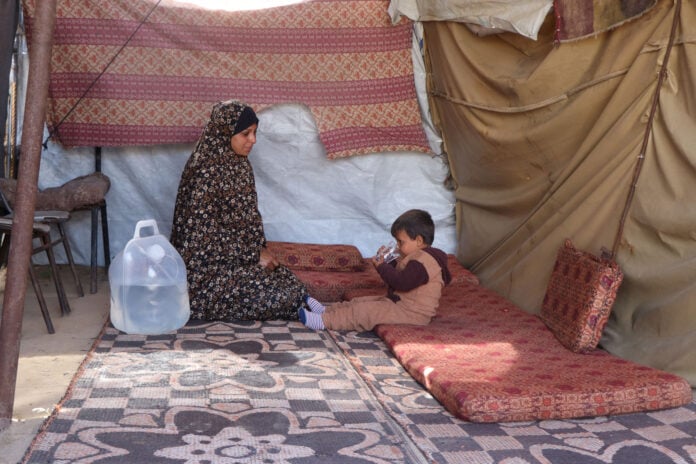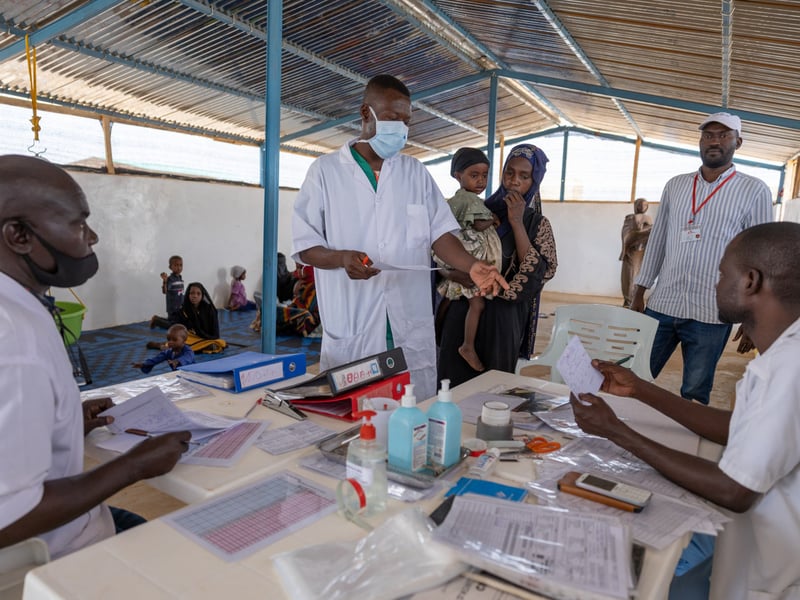

NEW YORK — In a tent clinic in Zalingei, Central Darfur, patient admissions climbed 22 percent between January and April this year. Not because disease was spreading faster than before (though it was), but because the facilities that used to treat those patients before they reached Médecins Sans Frontières had shuttered. Forty-five health centers in the region closed in May alone, after the United States Agency for International Development stopped transferring funds to the organizations running them.
On Thursday, MSF brought that arithmetic to the United Nations General Assembly in New York. The medical organization urged governments gathered for the high-level week to treat Sudan’s collapsing health system as an emergency requiring immediate stopgap financing, a crisis that MSF’s teams now describe as accelerating faster than the war that caused it.
“War is driving Sudan’s needs,” said Muhammad Ibrahim, MSF’s head of mission in Sudan. “Funding cuts are shrinking the response.”
The numbers behind that statement are specific. More than 37 percent of Sudan’s health facilities are now non-operational. The United Nations humanitarian response plan for Sudan, which asks for $2.87 billion, is only 41 percent funded. Global humanitarian aid has contracted 35.8 percent over the past year, a reduction that has landed heaviest on sub-Saharan Africa.
In Darfur, the consequences are clearest in the disease data. Measles has reached what MSF classifies as major outbreak level across South Darfur. Between November 2025 and July of this year, the organization recorded 12,042 measles cases across six locations it supports in the region. About three-quarters of those patients had never been vaccinated. Nearly 8,000 were children under five; 2,090 were infants under one year old. Routine immunization campaigns collapsed because cold-chain logistics (the refrigeration, fuel, and salaried staff needed to keep vaccines viable) depend on the same funding streams that were cut.

The scale of the USAID withdrawal is visible in the gap between what MSF’s admission data shows now and what it showed twelve months ago. Sudan was already among the worst humanitarian situations globally before the cuts; the cascading health failure that followed the same USAID defunding in Pakistan showed how quickly systems built around American development funding can unravel when that funding disappears. In Sudan, the duration and scale of the Sudan Civil War have concentrated that fragility into something that MSF’s teams describe as structurally unsustainable at current resource levels.
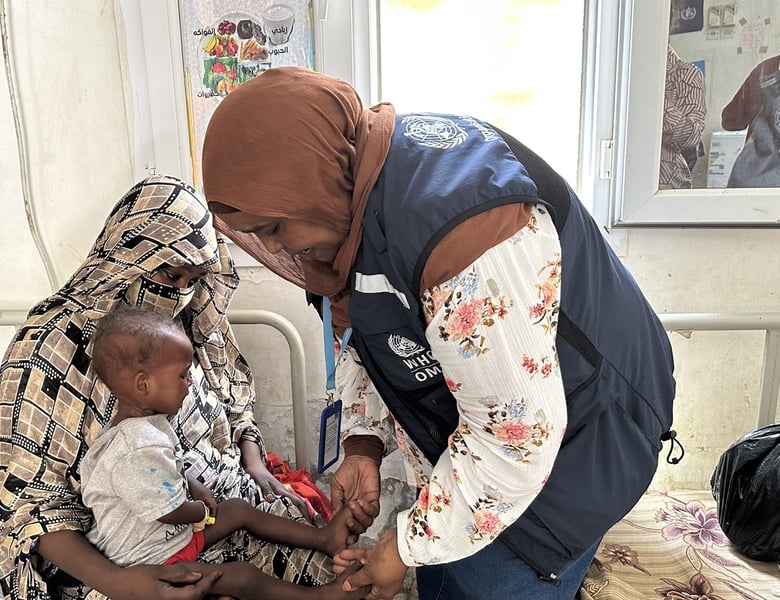
The World Health Organization had documented where Sudan’s system stood before this year’s cuts. In April 2026, three years into the conflict between the Sudanese Armed Forces and the Rapid Support Forces, the WHO reported outbreaks spreading simultaneously across multiple states, malnutrition rising, maternal mortality increasing in areas where obstetric care had been improving. That assessment preceded the additional 45 clinic closures, the MSF admission surge, and the measles acceleration that came after.
The concern raised by advocates of global health equity at this year’s UN high-level week is structural: when humanitarian health infrastructure is built around a single dominant donor, a single policy reversal in Washington can shutter clinics in Kordofan. MSF’s teams made that argument explicitly in their September briefing, as reported by Al Jazeera, noting that the situation was not driven by a surge in need but by a deliberate withdrawal of funding. The same underlying vulnerability was visible in the PABS negotiation breakdown, the failure to finalize a mechanism requiring pharmaceutical companies to share vaccines with low-income countries during the next pandemic.

What that pace looks like in practice: the fraction of Sudan’s health facilities still open, staffed, and capable of treating a cholera patient or catching a measles case before it spreads is getting smaller. MSF did not give the General Assembly a timetable. It gave it a trend line.