
ALBANY – A child in Lewis County has died in connection with New York’s ongoing measles outbreak, state and county health officials announced Monday, marking the first known measles-associated death in the state in more than 30 years. The announcement brought a fatal consequence to an outbreak that had already prompted a state disaster emergency.
The New York State Department of Health and Lewis County Public Health asked that the family’s privacy be respected. Their joint statement did not identify the child, give an age or vaccination history, or disclose the date of death. November 2 is the announcement date, not a confirmed date on which the child died.
The distinction between New York State and New York City also matters. The death was reported in Lewis County, in northern New York. It is not a report of a death in the city, and the state’s cited case total includes two separate surveillance counts.
In their joint announcement, the health departments expressed condolences and said the state had offered resources for community outreach and local vaccination efforts. They urged residents to review their measles, mumps and rubella vaccination status with a healthcare provider.
The statement reported 178 measles cases statewide as of October 24: 170 outside New York City and eight within the city. That is a dated snapshot included in Monday’s release, not a newly verified November 3 count. It should not be presented as the number of people currently ill or the total number exposed.
ABC News reported that officials released no additional information about the child’s case. The public announcement therefore does not support conclusions about where the child was exposed, which complications developed or why an individual medical outcome occurred.
New York’s emergency response was already in place. The health department’s measles guidance page says Governor Kathy Hochul declared a disaster emergency on October 5 in response to rising case rates. The order expanded the professionals authorised to administer vaccines and allowed nurses to order testing. It was not a new declaration made in response to Monday’s death announcement.
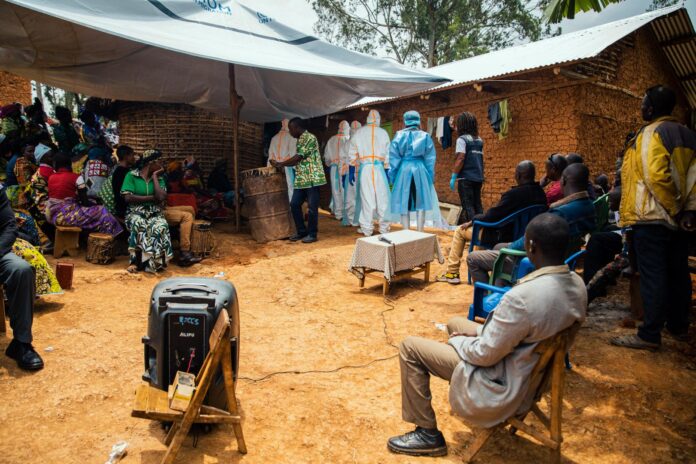
In a separate statement, Hochul said she was heartbroken and pledged continued support for public-health measures. The operational response described by the health departments includes vaccine access, investigation of reported cases and contact tracing. Those measures focus both on people who may have been exposed and on preventing further transmission.
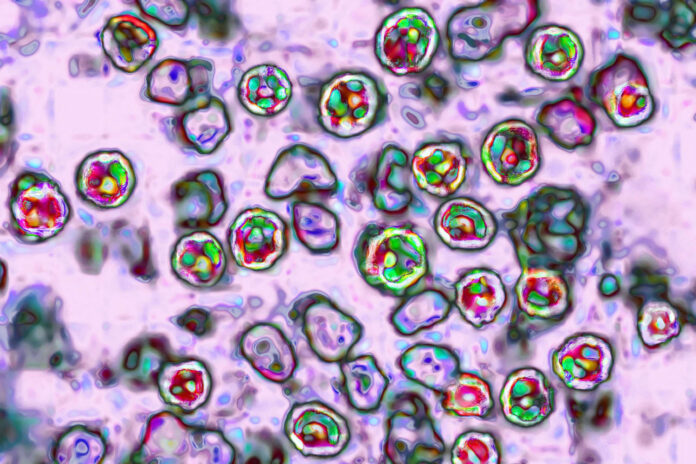
Measles spreads through the air when an infected person breathes, coughs or sneezes. State guidance warns that a person can become infected by entering a room up to two hours after someone with measles has left. The rash is not the beginning of infectiousness: people can transmit the virus before the characteristic skin changes appear.
Early symptoms commonly include fever, cough, a runny nose and red, watery eyes. A rash typically follows several days later, beginning around the face or hairline and spreading downward. These symptoms can have other causes, so a suspected exposure or illness calls for medical assessment rather than a diagnosis based only on an online description.
The practical instruction from New York health officials is to call a healthcare provider or local health department promptly after a suspected exposure, and to call ahead before arriving for in-person care if measles is suspected. Advance notice lets a clinic or emergency department arrange infection-control precautions instead of exposing people in a shared waiting room.
Post-exposure options are time-sensitive. The state says some people may benefit from vaccination or immunoglobulin, depending on their circumstances and the time since exposure. A healthcare professional or local health department should determine the appropriate response, particularly for infants, pregnant people and people with weakened immune systems.
The MMR vaccine remains the central preventive measure. New York’s guidance puts protection against measles at approximately 93% after one dose and 97% after two. These estimates do not mean infection is impossible after vaccination; they describe a substantial reduction in risk. People unsure of their records should seek help checking them rather than assume either protection or lack of protection.
The routine childhood schedule starts at 12 to 15 months, with a second dose usually given at ages four to six. In outbreak or travel settings, public-health officials may recommend an earlier dose for infants aged six to 11 months. A dose before the first birthday does not replace the two routine doses, so parents should discuss the child’s complete schedule with a provider.
The disease can cause complications well beyond a rash. The state lists pneumonia, brain inflammation and death among its serious outcomes. Its warning is about the known risks of measles generally; it does not identify which complication affected the Lewis County child.
Officials have released enough information to establish a death associated with the outbreak and a need for continued prevention efforts. They have not released the child’s clinical history. The family’s loss is public news; the details of the child’s final illness remain private.