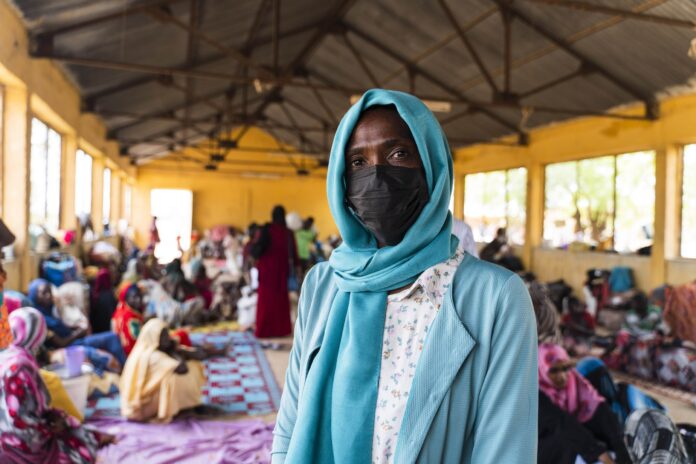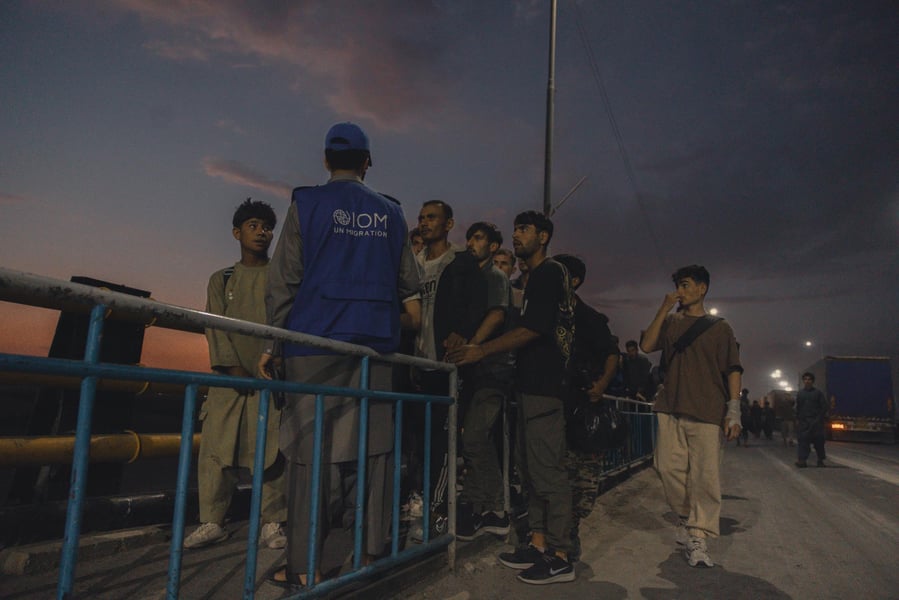

KABUL — Afghans who return home alone are now four times as likely as returning families to plan to leave again, according to a survey the International Organization for Migration released last Thursday.
IOM’s Returnee Resilience Overview, the third round of the series, covers nearly 6.5 million Afghans who have come back from Iran and Pakistan since mid-September 2023. Among individual returnees surveyed, 16 percent said they plan to move outside Afghanistan, up from 5 percent in the previous round and 11 percent in the first. For households the figure was 4 percent, from 1 percent. IOM ties the shift to income, employment and living conditions.
The reasons are in the same tables. Of surveyed returnees aged 14 and over, 69 percent had not worked in the 30 days before the interview, 53 percent had no completed education and half had no specialised experience. Even among those who worked, 71 percent were only partially employed, and 54 percent of households and individuals could not cover basic needs.
Housing is tightening, according to IOM’s report summary. About 77 percent live in transitional shelters, 51 percent lack enough living space, and 14 percent have been evicted since returning, most often because they could not pay rent. The share reporting shelter needs has climbed from 42 percent in the first round to 57 percent in the second and 67 percent in the third.

Paper is another barrier. Only 21 percent of household respondents said every family member had documentation, and 43 percent lacked what they needed to reach services. More than half of those assessed, 58 percent, are under 18, and 82 percent came back as households averaging 6.1 members.
Most are staying put for now. Three-quarters of surveyed returnees reported no plans to leave their current location, and IOM’s chief of mission in Afghanistan, Mihyung Park, said many returnees intend to stay and rebuild, though doing so depends on livelihoods, safe shelter, documentation and services. TEH has also reported on the aid collapse facing Afghan women.
IOM’s own note says the data should not be generalized to all returnees, which leaves open how many of the 6.5 million are weighing the road back out.