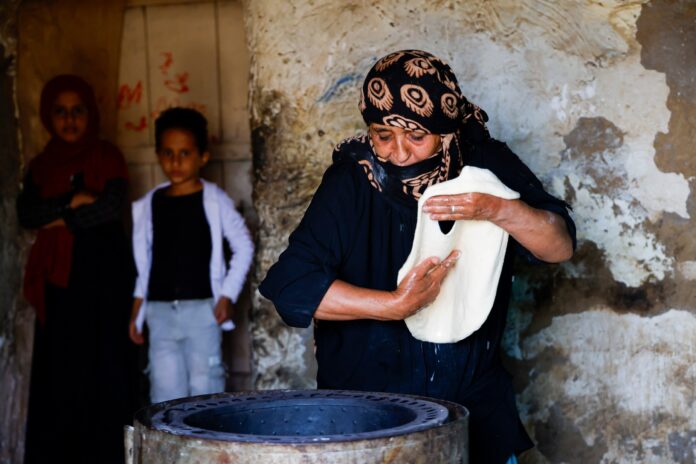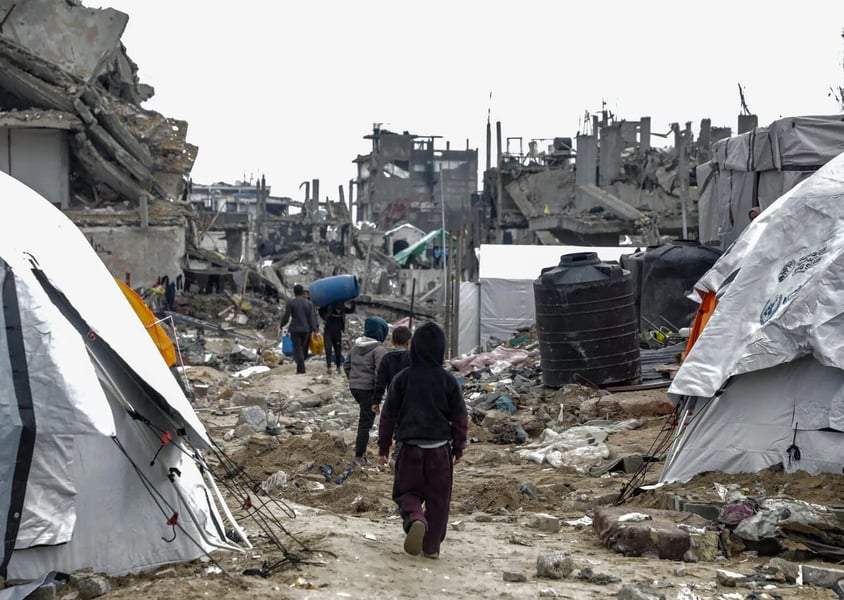

GENEVA — Norhan, 16, now cooks, cleans and plays with her one-year-old sister Narjis, because their mother was shot while eight months pregnant and died the day after giving birth. UNICEF spokesperson Ricardo Pires told reporters in Geneva on Friday that her family is one of many: more than 340 children have been reported killed in Gaza since the ceasefire was announced a little over a year ago, and the “terrible statistics do not equate with a ceasefire as most would imagine one.”
In the past two weeks alone, UNICEF said, five boys and two girls were reported killed and at least 33 children seriously injured in air strikes, drone strikes and gunfire. A UNICEF report dated October 7 says nearly half of the children reported killed died in areas near the Gaza Yellow Line.
The sharper warning was about winter, the fourth since Israel’s genocide in Gaza began. Pires said all six of Gaza’s wastewater treatment plants are out of service and most raw sewage is pumped into the sea. The Sheikh Radwan stormwater basin is half full of wastewater and could overflow into homes once the rains start. “Children have drowned in sewage-contaminated water before,” UNICEF said. The basin could be drained within about two weeks, the briefing record says, but the necessary equipment has not been allowed into Gaza.
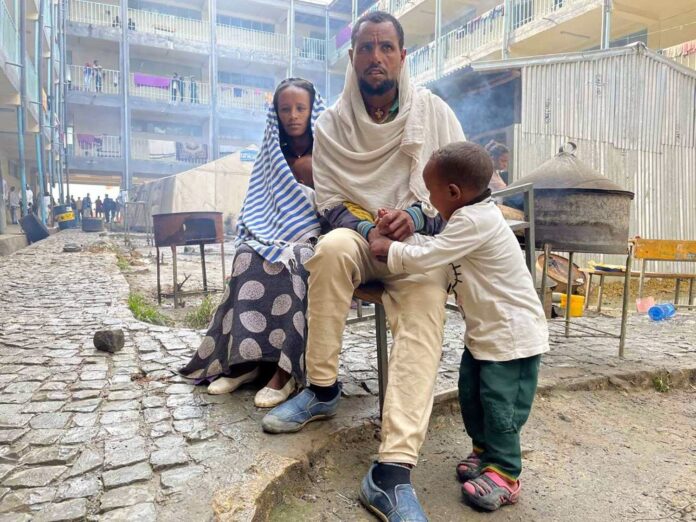
About 800,000 children remain displaced, most in tents or damaged buildings, according to UN Geneva’s record of the briefing. Gaza winter preparations remain short of what is needed, OCHA said on Wednesday.
The numbers have rough edges. UNICEF’s October 7 report carried the same “more than 340” figure as Friday’s briefing. In January, the agency said its then tally of more than 100 covered only incidents with enough detail to record, so the true number was expected to be higher. It reported at least 300 killed on August 6; 340 implies roughly 40 more in ten weeks, a slower pace, though UNICEF has not said whether the counts are comparable.
The Gaza Health Ministry, which operates under Gaza’s de facto authorities, counts 1,431 Palestinians killed since the ceasefire through September 30, OCHA’s October 2 situation report says. If both tallies hold, children would be roughly one in four of the dead, but the counts end on different dates and neither agency says how far they overlap.
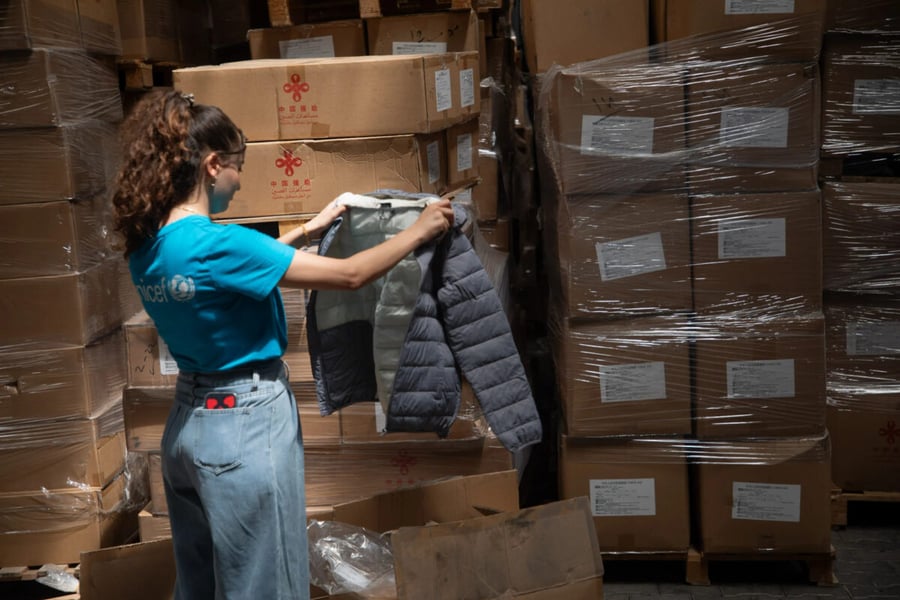
Asked about reports that Gaza’s private traders had stopped coordinating commercial trucks with Israel, Pires said the flow of “humanitarian and commercial goods” must continue “so children can continue their recovery.” UNICEF wants full implementation of the peace plan now, a year into a process in which Trump’s Board of Peace has little to show but pledges.
The basin could be emptied in two weeks. The rains keep no such schedule, and the accounts of the briefing that TEH reviewed carry no reply from Israel on whether the equipment will be let in.