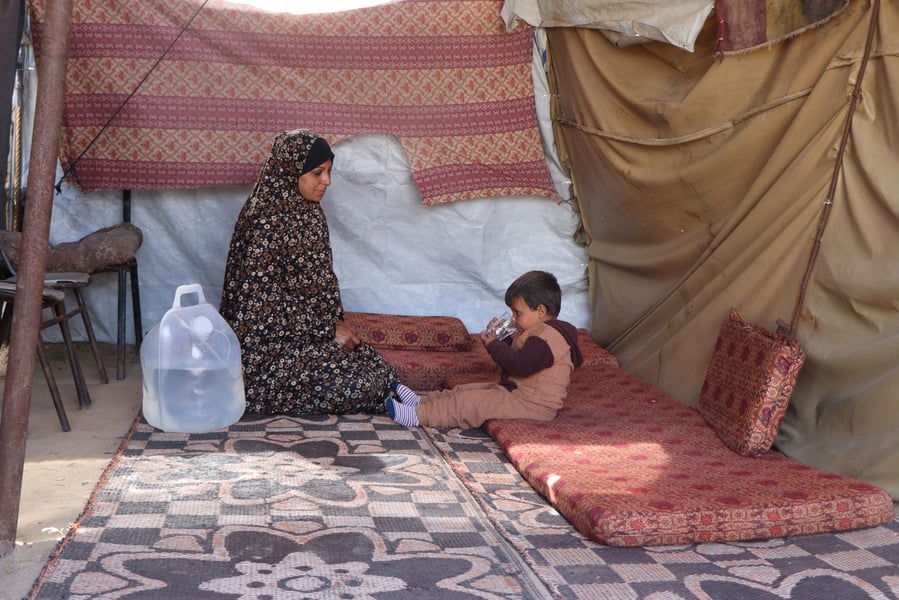

UNITED NATIONS — Nearly 44,000 people in Gaza are sleeping in buildings that aid agencies say should be partly or fully demolished, and the cold and rainy season is approaching.
The count comes from the UN humanitarian office, OCHA, which said on Wednesday that it and its partners are stepping up winter preparations even as attacks on civilians continue. In the past two days, OCHA said, partners recorded airstrikes, shelling, demolition blasts, naval fire and shooting in every Gaza governorate, particularly west of the so-called Yellow Line drawn by Israeli authorities.
Fuel, plastic tarpaulins, winter clothing and medicines went in, the agency said, but the quantities are not enough. It blamed underfunding and Israeli restrictions, among them bans on some partners’ operations, limits on imports such as engine oil and spare parts, and restricted access to more than 64 percent of Gaza’s land.
The scale of the exposure is in OCHA’s situation report of October 2. Site-management partners assessed more than 400 displacement sites and ranked 217 at medium to high risk of flooding; those sites hold about 235,000 people. The Shelter Cluster’s preliminary estimates put more than 4,000 unsafe buildings in need of full or partial demolition, yet over 2,300 are still lived in, by nearly 44,000 people. Together the two groups make up more than 13 percent of Gaza’s population. The report’s own highlights give a different figure, about 279,000 people in 400 flood-prone sites, and OCHA does not explain the gap.
Moving families is not a quick fix. Before any large relocation, OCHA lists explosive ordnance clearance, levelling sandy ground, drainage, water, lighting, access roads and the settling of land ownership. Access to 65 percent of the territory is restricted, the report says, a share the Wednesday update, carried by UN News, puts at more than 64 percent; the remaining land is already overcrowded. In September, a Gaza building collapse killed 21 people after approved shelter supplies had been blocked, as TEH reported.
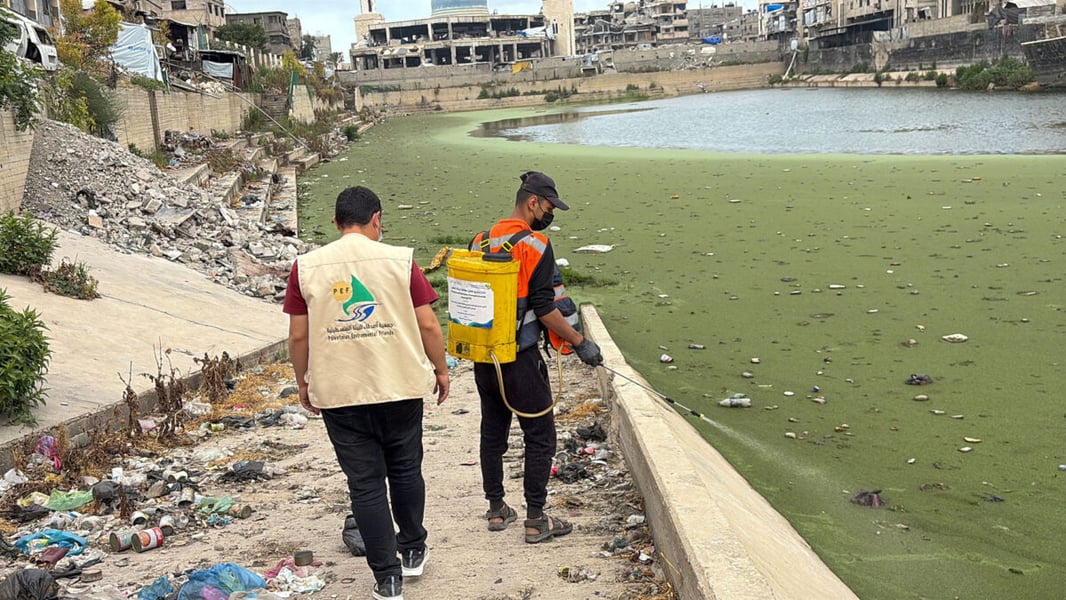
The other pressures are already here. Food-security partners warn that daily hot meals and monthly household parcels will shrink from October because of funding shortfalls. The WASH Cluster estimates that 74 percent of the population relies on trucked drinking water, and output from the two desalination plants in the south has fallen to its lowest levels. Acute respiratory infections make up 54 percent of reported disease cases. The Gaza Health Ministry, which OCHA notes operates under the de facto authorities, reports 1,431 people killed since the ceasefire was announced on October 10, 2025.
OCHA’s list of what relocation requires has no dates attached, and no report says where families go if their sites flood first.