KABUL — Five years is long enough to understand what the world has decided about Afghanistan’s women.
The Taliban walked into Kabul on August 15, 2021, and the international community responded with alarm, then condemnation, then statements, then more statements. On Saturday, the fifth anniversary of that takeover, the United Nations offered a harder number: the $1.7 billion humanitarian appeal it launched for Afghanistan has received just 25 percent of the funding it requires. The organisations quietly running the last viable services for women in the country, including health clinics tucked into residential compounds, informal tutoring rooms, and vocational programmes constituting women’s only remaining legal economic activity in many areas, are approaching their closure dates.
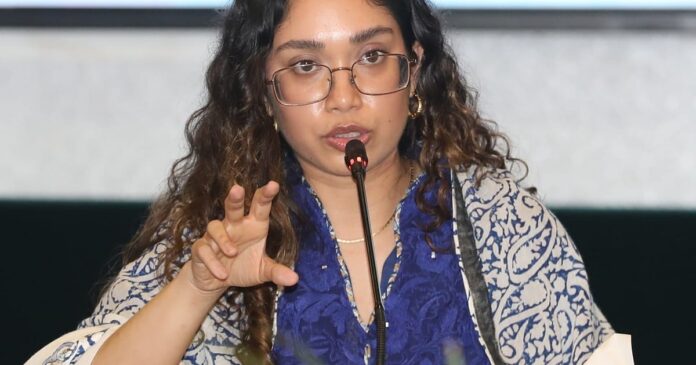
UN Women surveyed 74 of those organisations this year. More than half said they could suspend operations or close within twelve months, Al Jazeera reported. “Support for women’s programmes must continue to prevent deepening suffering of Afghan women,” said Susan Ferguson, the UN Women special representative in Afghanistan, in a statement released on the anniversary. Nearly three-quarters of surveyed groups reported that their funding shrank in 2025. About two-thirds had six months of operational runway remaining, or less.
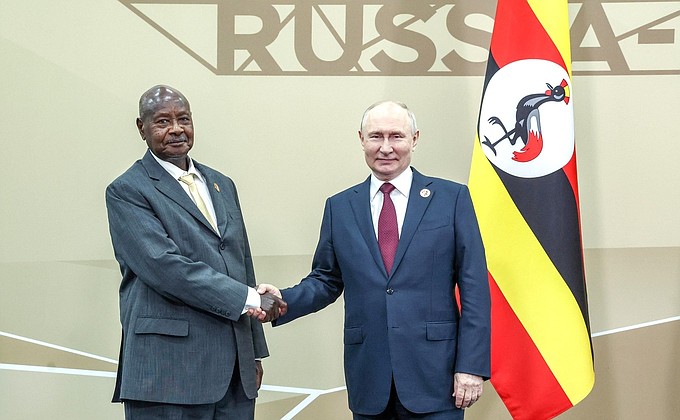
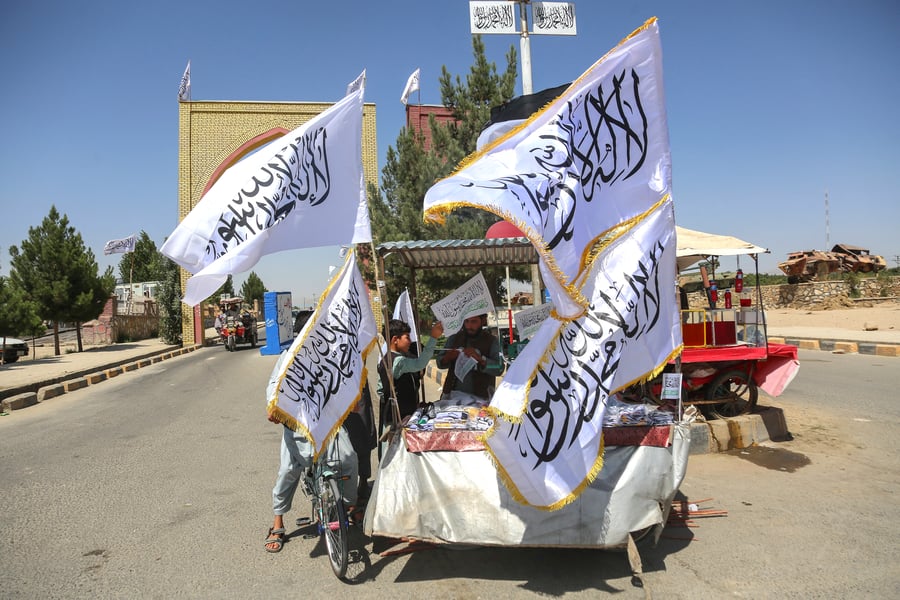
The Taliban, for its part, was marking the anniversary in its own terms. Murals appeared in Ghazni province on August 13 commemorating five years of what the movement calls its Islamic Emirate. Its officials counted forty embassies and consulates operating in the movement’s name, not formal recognition in most cases but functional diplomatic engagement that has expanded steadily since 2021, including at UN-led talks in Doha last year. Russia remains the only government to formally recognise Taliban rule, while other states have found practical uses for Afghan mineral negotiations, border agreements, and migration discussions that require no public position on women’s rights.
What has not shifted is the architecture of restriction. The Taliban has issued more than 100 decrees constraining women since 2021. Girls cannot attend secondary school. Women cannot attend university, cannot hold most jobs, cannot travel without a male guardian, and cannot in most provinces appear in public without a face covering. Taliban morality police have enforced these rules through a series of mass dress-code arrest campaigns in cities including Herat. The UN special rapporteur on human rights in Afghanistan has characterised the cumulative effect as gender apartheid.
The costs show up mainly in survey data, now among the only means of measuring private life inside a country that has largely expelled foreign journalists. More than half of the women UN Women interviewed leave their homes only once or twice a month. Seventy percent describe their mental health as bad or very bad. One-third of Afghanistan’s provinces have reached critical levels of child malnutrition. More than half of primary school-aged children are not in school, a figure that captures boys as well as girls, in an economy that has lost most of the working population that once sustained it.
In June this year, residents of Herat’s Jebrail district gathered to protest the arrest of some thirty women and girls over dress-code violations. Security forces responded with sticks, whips and gunfire. Medical workers reported a woman and a child killed. The Taliban denied it. The sequence of protest, dispersal, denial and UN demand for accountability, a pattern repeated across five years, ended without consequence.
On Saturday, fifty-six countries, including the United States, the United Kingdom, France, and Germany, joined a statement condemning “systematic repression of women and girls” in Afghanistan. The statement was not accompanied by a funding pledge. The $1.275 billion shortfall in the humanitarian appeal, the distance between what the UN identified as needed and what has been committed, represents a collective decision made in budget ministries across those fifty-six governments and quietly not reversed.
Whether the anniversary report will prompt any donor to address part of that gap is not known. What the 74 surveyed organisations actually provide, the specific services and the women who depend on them for the only structured activity available under Taliban restrictions, is documented only for the groups that survived long enough to participate in the survey. How many had already shut down before the survey window opened is not in the available data.
Five years of Taliban rule has settled one question: the movement will not change its policies toward women in response to international statements. The fifth anniversary has produced nothing yet that tests whether the answer to the other question, whether donor governments will match their stated concern with money, is different.