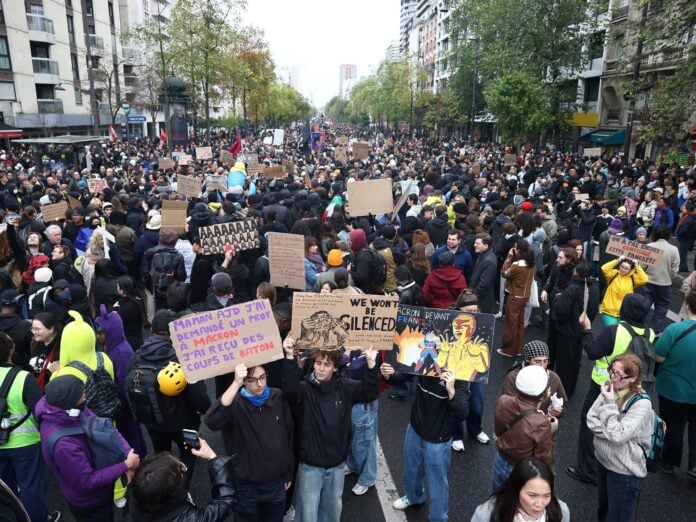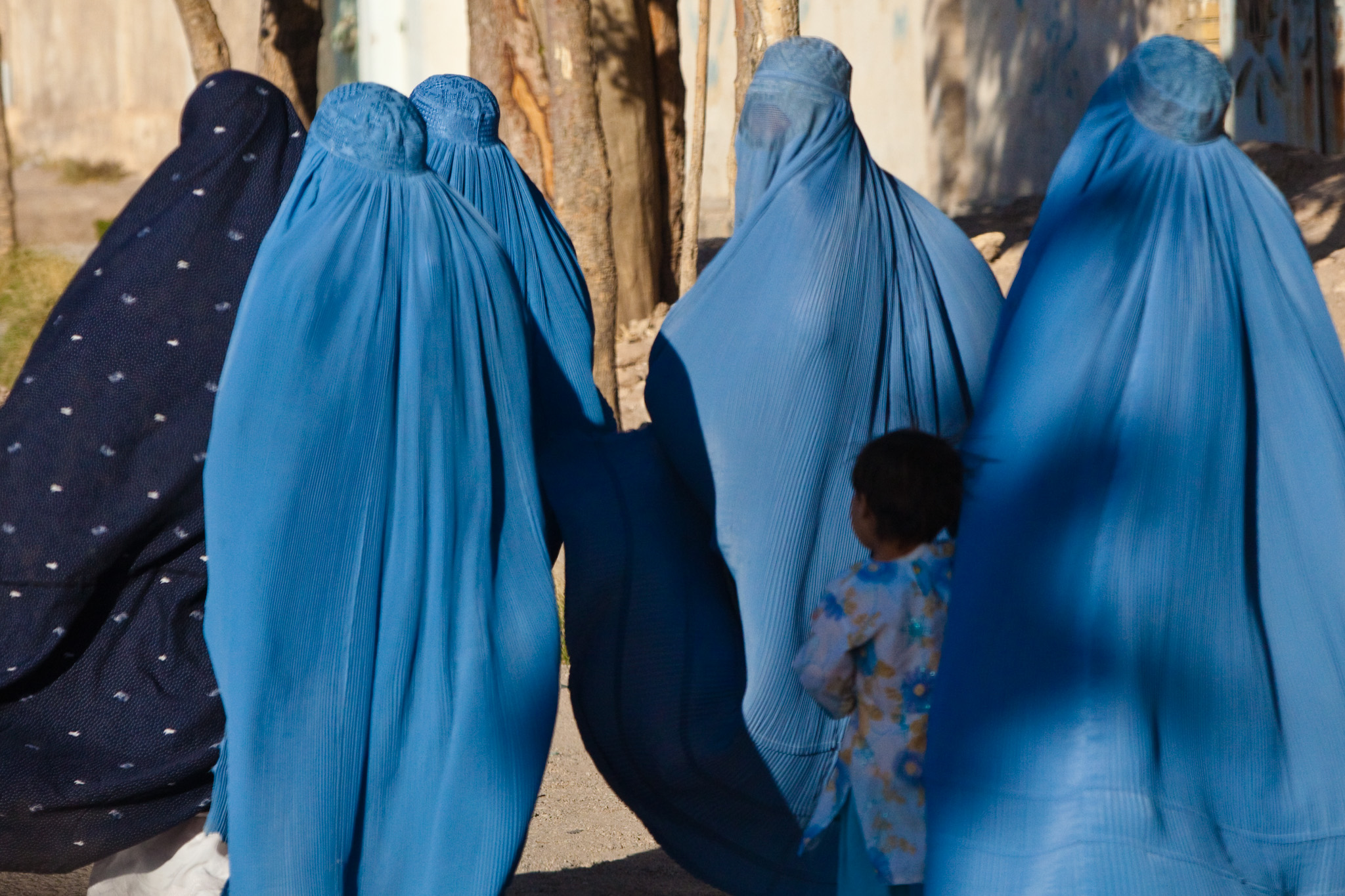

HERAT, Afghanistan — The crowd in the Jebrail district was asking for things that fit on a single breath, work, education and freedom, and it had perhaps 150 people in it. Against five years of silence enforced by whips and prisons, that was an enormous number. Taliban forces answered the rarest event in today’s Afghanistan, a street protest, with sticks, whips and live fire, and by nightfall on Tuesday medics were counting the cost.
At least two people were killed, a woman and a child, medical sources told the BBC, with more than a dozen injured; a doctor at a Herat hospital told CBS News anonymously that at least three people had been admitted with gunshot wounds. The Taliban’s provincial police spokesman, Sayed Masoud Hussaini, denied that anyone had been hurt by police fire and said the security forces were carrying out their legal responsibilities.
What brought people into the street was an arrest campaign. In recent days, the movement’s morality police swept up roughly 30 women and girls in Herat for what they judged improper hijab, part of a crackdown announced at the end of last week, and since the weekend residents described watching women being taken from the streets. The detentions did what years of edicts had not: they produced a crowd willing to be shot at.
The videos that escaped Herat’s internet show the shape of it, demonstrators chanting and throwing stones, gunfire scattering them, men and women together in a country whose rulers have made the public presence of women a crime. One woman at the protest put the stakes in a sentence that traveled faster than the bullets. Every woman arrested in Herat today, she said, represents the suffering of millions of Afghan women under the shadow of gender apartheid.
The phrase is not rhetorical excess; it is close to the technical description. Since retaking the country in 2021, the Taliban have barred girls from secondary school and university, banned women from most employment and public spaces, restricted their movement without a male guardian, and, in the language of United Nations officials, criminalized women’s voices and faces. The dress-code arrests that lit Herat’s fuse are the enforcement arm of that architecture, a morality police empowered to detain a woman for the visibility of her hair.
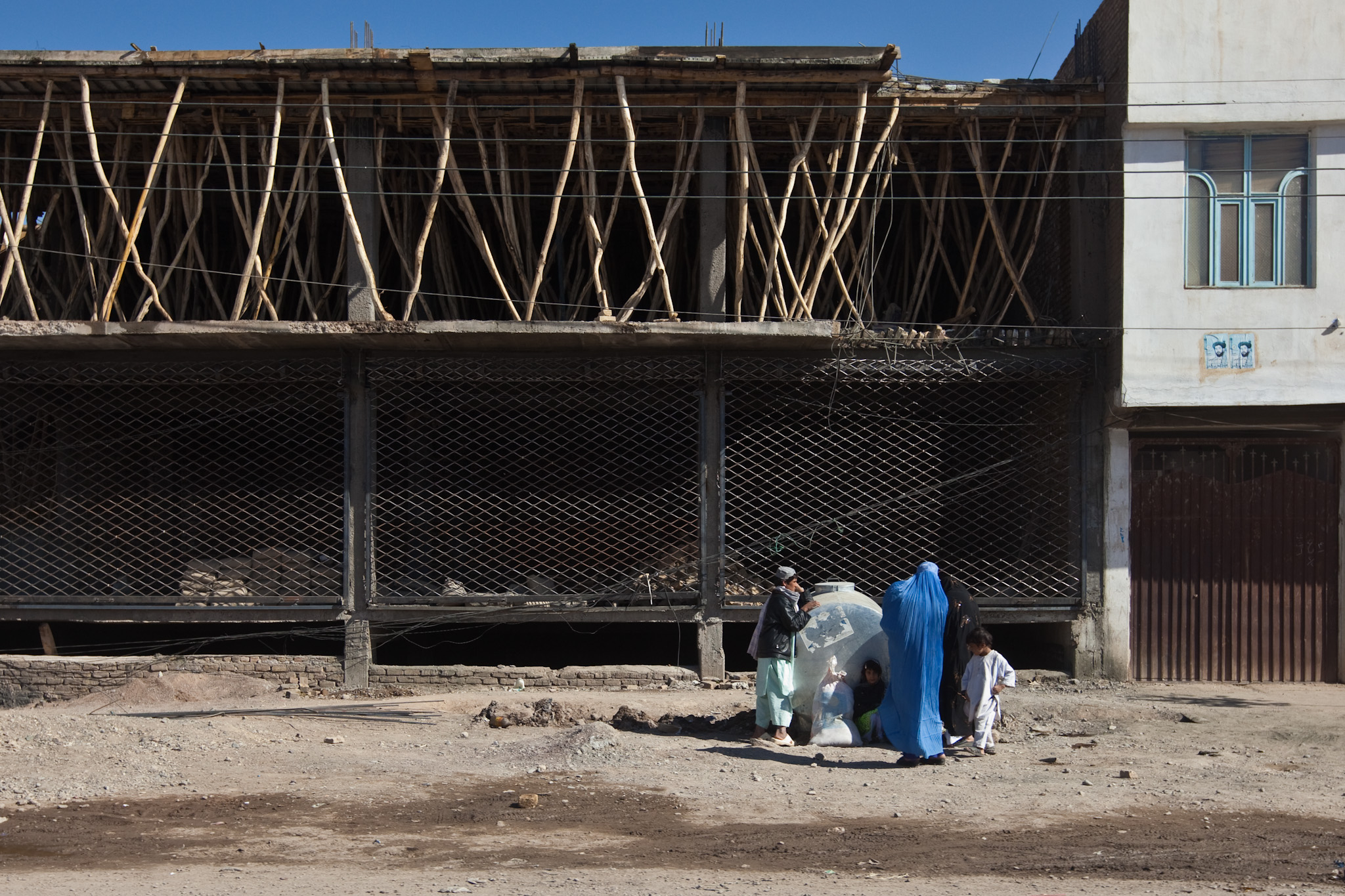
The United Nations reacted within a day. Richard Bennett, the UN special rapporteur on human rights in Afghanistan, said he was alarmed by the excessive use of force against seemingly peaceful protesters and called for accountability and respect for freedom of expression, while the UN mission in the country said the arrest campaign itself raised serious human rights concerns. The words are familiar, which is part of the tragedy; the UN has been issuing versions of this statement for five years, to a government that does not recognize its authority and a world that has moved on.
What makes Herat different is that Afghans protested at all. Public dissent has been nearly extinguished under Taliban rule, its early practitioners, the women who marched in Kabul in 2021 and 2022, beaten, disappeared, and exiled until the streets emptied. A crowd of a hundred and fifty in Jebrail, men beside women, knowing the price list, is not a small story about a provincial disturbance. It is evidence that the fear architecture has a crack in it.
It is also evidence of how alone Afghans are. The governments with leverage over Kabul’s rulers are spending it elsewhere, on migration deals and minerals and the quiet normalization that has crept forward as the world’s attention went to other crises in the region and beyond. The same week the United Nations found itself demanding accountability in Herat, its own international justice institutions were consumed by crisis. Nobody in Herat is waiting for rescue.
The Taliban’s denial follows its own pattern. The movement’s spokesmen have rarely acknowledged casualties from protest dispersals, and Herat’s police framing, legal responsibilities discharged against an unruly crowd, is the standard text. With foreign journalists largely barred, the contest over what happened on Tuesday will be fought between hospital sources speaking anonymously and a government that controls the morgues and the records.
Much cannot be verified from outside. The full casualty count, the identities of the dead woman and child, the number still detained from the original arrest sweep, and whether the protest’s organizers, if it had any, are now being hunted, all of it sits behind the information wall the Taliban have built around the country. What is known is what escaped: the videos, the medics’ counts, and the sentence about gender apartheid.
The women and girls whose arrests started this remain, by every available account, in detention. The crowd that gathered for them has been dispersed, and Herat’s streets returned to the enforced quiet the Taliban call order. Whether Tuesday was an ending or a beginning is the question the movement’s police cannot answer with whips, because it was asked by people who already knew the price and came anyway.